
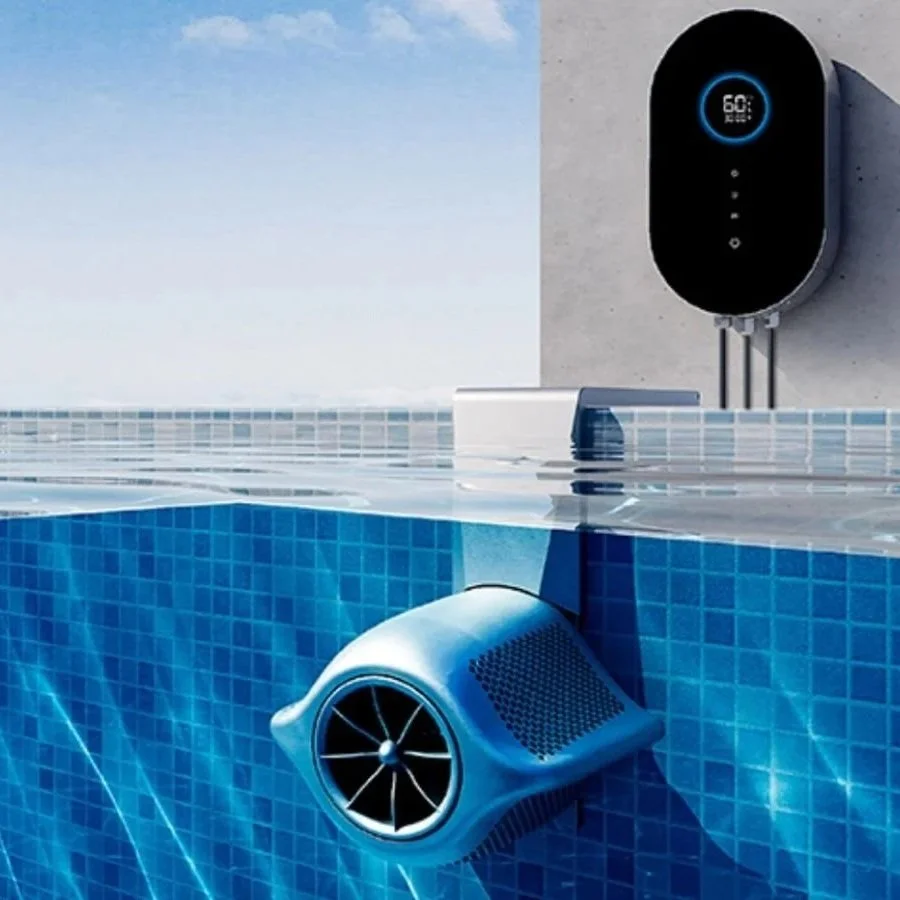
Transform your e-commerce business by tapping into the booming demand for at-home aquatic fitness solutions
Executive Summary of Research
The global swim current machine market is valued at approximately $320 million and growing at 7.2% CAGR through 2028
Residential adoption now represents 42% of all swim jet sales as homeowners seek space-efficient training alternatives
Price points span from $300 portable units to $70,000+ professional installations, creating multiple entry points for sellers
Peak demand occurs May through August, with search interest for pool equipment reaching 90 on Google Trends in June
Premium DTC channels offer 40-55% profit margins compared to 20-30% on major marketplaces
Key buyer personas include fitness enthusiasts, rehabilitation patients, competitive swimmers, and luxury homeowners
Chinese manufacturers offer wholesale pricing from $255-$4,799 per unit with MOQs as low as 1-2 units for testing
1. Introduction: Understanding the Pool Swim Jet Market
Defining the Category
Pool swim jets, also known as counter-current systems, swim current machines, or endless pool systems, are specialized pool equipment that generates a continuous flow of water against which swimmers can train in place. Unlike traditional lap pools requiring 50+ feet of length, swim jets transform pools as small as 10-15 feet into functional training spaces.
The technology works through two primary mechanisms. Jet-based systems push water through adjustable nozzles creating concentrated, customizable flows reaching up to 400 gallons per minute. Propeller-based systems use enclosed hydraulic motors driving large propellers to generate wider, smoother currents suitable for professional training.
Market Landscape and Evolution
The swimming pool equipment market reached $14.2 billion globally in 2025 and is projected to grow to $21.3 billion by 2033, expanding at a 5.20% CAGR. Within this broader market, swim jets occupy a specialized niche that has experienced accelerated growth since 2020.
The concept originated in 1988 when Endless Pools introduced the first backyard swim current machine. For decades, the market remained relatively niche, dominated by a handful of established brands serving serious athletes and luxury homeowners. The pandemic fundamentally shifted this dynamic as gym closures and renewed focus on home wellness drove unprecedented interest in at-home fitness solutions.
Commercial integration has expanded significantly as hotels, rehabilitation centers, and fitness clubs incorporate current machines into existing pools to enhance service offerings. This trend creates opportunities for B2B sellers alongside the residential market.
Recent innovations include app-controlled systems allowing smartphone-based speed adjustments, energy-efficient variable speed motors reducing operating costs, and modular designs enabling easier retrofit installations. Turbine-driven technology from manufacturers like EVAstream achieves flow rates of 450m3/hr while maintaining single-phase power compatibility.
Product Types, Segments, and Price Ranges
The market segments into distinct categories based on technology, installation method, and price point.
Entry-Level Portable Jets ($300-$700) Wall-mounted or over-the-wall units designed for above-ground and small in-ground pools. Brands like Aquajet offer 100m3/hr flow rates suitable for recreational swimmers and water aerobics. These units appeal to budget-conscious consumers seeking to add functionality to existing pools without major installation.
Mid-Range Jet Systems ($2,000-$5,000) More powerful counter-current systems with dual nozzles, adjustable flow directions, and integrated controls. The BADU SwimJet line and similar products target serious fitness swimmers who want meaningful resistance training. These typically require professional installation but can retrofit to existing pools.
Premium Propeller Systems ($10,000-$15,000) The Endless Pools Fastlane Pro represents this segment, using hydraulic motors and 16-inch propellers to generate smoother, wider currents. These systems separate the power unit from the pool-side current unit for enhanced safety and reduced noise. Premium buyers prioritize swim experience quality over price.
Professional and Therapy Systems ($20,000-$70,000+) Complete swim spa solutions or high-end therapy installations from brands like SwimEx, HydroWorx, and the Michael Phelps Signature line. These systems serve rehabilitation facilities, professional athletes, and luxury residential installations. Paddlewheel technology in this tier provides the smoothest, deepest currents available.
Leading Brands and Private Labels
Established brands dominating the market include Endless Pools (owned by Watkins Wellness, part of Masco Corporation), BADU/Speck Pumps (German engineering with US distribution), SwimEx (professional and residential fiberglass pools), Master Spas/Michael Phelps Signature (celebrity-endorsed swim spas), and Jacuzzi/Hydropool (integrated swim spa solutions).
Private label opportunities exist primarily in the entry-level and mid-range segments where Chinese manufacturers supply OEM products. Brands like AUPOOL, EcoPool, and numerous Alibaba suppliers offer customizable products for resellers seeking to establish branded presence.
Private Label Sourcing Cost Estimate
The following table provides a reverse-engineered estimate for sourcing a mid-range counter-current swim jet system for private label resale. Assumptions include Alibaba/Made-in-China sourcing, sea freight to US West Coast port, and standard import duties.
| Cost Component | Low Est. | High Est. | Notes |
|---|---|---|---|
| Factory Unit Cost (FOB China) | $650 | $1,200 | 3kW stainless steel unit |
| Sea Freight (per unit, LCL) | $180 | $320 | Based on 110kg unit weight |
| Import Duty (7.5% avg) | $49 | $90 | Pool equipment HS code |
| Customs Brokerage | $75 | $150 | Per shipment, amortized |
| US Port to Warehouse | $85 | $150 | Drayage and local freight |
| Inspection and Compliance | $50 | $100 | UL/ETL certification costs |
| Packaging and Branding | $35 | $75 | Custom box and labels |
| Total Landed Cost | $1,124 | $2,085 | Per unit, fully landed |
| Recommended Test MOQ | 5-10 units | Factory min. typically 1-2 | |
| Suggested Retail Price | $2,499 | $3,999 | Market-competitive pricing |
| Gross Margin Potential | 48% | 55% | Before marketing/fulfillment |
Key Sourcing Considerations:
Sellers should request samples before committing to production orders. Electrical certification (UL/ETL listing) is essential for US market sales and liability protection. Most manufacturers offer 1-2 year warranties, which should be passed through to customers with clearly defined terms. Lead times typically run 30-45 days for production plus 25-35 days for sea freight.
2. Marketplace Sales Opportunity Analysis
Opportunity Score Legend
| Marketplace | Opportunity Score | Product Segment | Est. Weekly Units | Est. Weekly Revenue | Avg Price Range | Est. Profit Margin |
|---|---|---|---|---|---|---|
| Amazon | 7 | Entry-Level Counter Current Jets | 80-120Medium confidence | $40,000-$84,000 | $500-$700 | 25-35% |
| 6 | Mid-Range Swim Jet Systems | 25-40Medium confidence | $50,000-$100,000 | $2,000-$2,500 | 20-30% | |
| 5 | Premium Propeller Systems | 8-15Low confidence | $80,000-$150,000 | $10,000-$15,000 | 15-25% | |
| 8 | Portable/Above-Ground Pool Jets | 150-250Medium confidence | $45,000-$75,000 | $300-$500 | 30-40% | |
| eBay | 6 | Entry-Level Counter Current Jets | 30-50Medium confidence | $15,000-$35,000 | $500-$700 | 20-30% |
| 7 | Refurbished/Open Box Systems | 15-25Medium confidence | $30,000-$75,000 | $2,000-$3,000 | 25-35% | |
| 5 | Replacement Parts and Accessories | 100-180High confidence | $10,000-$27,000 | $100-$150 | 35-50% | |
| Walmart | 7 | Budget Portable Pool Jets | 60-100Low confidence | $24,000-$50,000 | $400-$500 | 20-28% |
| 4 | Mid-Range Systems | 5-12Low confidence | $10,000-$30,000 | $2,000-$2,500 | 15-22% | |
| Shopify and DTC Stores | 8 | Premium Branded Systems | 10-20Medium confidence | $110,000-$300,000 | $11,000-$15,000 | 35-50% |
| 9 | Therapy and Rehabilitation Jets | 8-15Medium confidence | $120,000-$300,000 | $15,000-$20,000 | 40-55% | |
| 7 | DIY Installation Kits | 20-35Low confidence | $30,000-$70,000 | $1,500-$2,000 | 30-40% | |
| Specialty Pool Retailers | 6 | Professional-Grade Systems | 5-10Low confidence | $100,000-$250,000 | $20,000-$25,000 | 25-35% |
| 7 | Residential Installation Packages | 15-25Medium confidence | $180,000-$375,000 | $12,000-$15,000 | 30-40% | |
| B2B and Commercial | 8 | Gym and Rehab Center Systems | 3-8Low confidence | $90,000-$320,000 | $30,000-$40,000 | 25-35% |
| 7 | Hotel and Resort Installations | 2-5Low confidence | $100,000-$250,000 | $50,000+ | 20-30% |
Key Marketplace Insights:
Amazon dominates volume for entry-level and portable products, with the platform's Prime-eligible shipping expectations creating challenges for oversized items. The best opportunity (score 8/10) exists in the portable/above-ground pool jets segment where units ship at reasonable weights and meet consumer expectations for quick delivery.
Shopify and DTC stores offer the highest profit margins (40-55%) for premium and therapy-focused products. Buyers in this channel conduct more research, expect detailed product information, and pay premiums for perceived quality and brand trust. The therapy and rehabilitation segment scores highest (9/10) due to specialized buyer needs and limited competition.
eBay provides a secondary marketplace particularly suited to refurbished/open box systems and replacement parts. The auction format works well for discontinued models or excess inventory liquidation.
B2B and commercial channels require longer sales cycles but deliver substantial order values. A single gym or rehabilitation center installation can exceed $40,000, making relationship-based selling worthwhile for sellers willing to invest in commercial outreach.
3. Buyer Demand and Keyword Trends Analysis
Primary Buyer Personas
The Home Fitness Enthusiast (35% of market) Demographics skew toward ages 35-55 with household incomes exceeding $150,000. These buyers already own pools and seek to maximize their investment. They research extensively, comparing options across multiple brands before purchasing. Key features valued include adjustable speed settings, quiet operation, ease of installation, and smartphone app connectivity. They respond to content highlighting calorie burn, workout variety, and comparison to gym alternatives.
The Rehabilitation Patient (20% of market) Often purchasing on recommendation from physical therapists or physicians, this persona prioritizes gentle, controlled water flow for low-impact exercise. They seek products with therapeutic positioning, variable resistance for progressive recovery, and safety features like grab rails. Price sensitivity is lower when health insurance or medical necessity justifies the expense. Content addressing specific conditions (arthritis, joint replacement recovery, neurological conditions) resonates strongly.
The Competitive/Triathlete Swimmer (15% of market) Serious athletes requiring year-round training access without gym schedules. They demand the strongest, smoothest currents available and will pay premium prices for professional-grade equipment. Technical specifications matter greatly: flow rates, current width, turbulence levels, and pace tracking features. Testimonials from recognized athletes or coaches carry significant weight.
The Luxury Homeowner (15% of market) Motivated by property enhancement, entertaining capability, and lifestyle presentation. Brand prestige matters as much as functionality. They prefer complete installation packages with premium finishes and expect concierge-level service. Marketing should emphasize aesthetic integration, resort-like experiences, and property value enhancement.
The Space-Constrained Urbanite (15% of market) Apartment or townhome residents with small outdoor spaces seeking compact solutions. Portability, easy setup/teardown, and storage considerations drive decisions. Budget typically ranges lower, making entry-level products appropriate. Content addressing small-space solutions and above-ground pool compatibility performs well.
Google Trends and Search Volume Analysis
Search interest for pool and swim jet related terms follows strong seasonal patterns. Analysis of Google Trends data reveals the following patterns.
Peak search volume occurs in June and July, with interest reaching relative scores of 85-90 on the 100-point scale. This corresponds with summer pool season in Northern Hemisphere markets. Search volume drops to near-zero levels from January through March in most categories.
Primary search terms and estimated monthly US search volumes include "swim spa" at 40,500 searches, "endless pool" at 27,100 searches, "pool jet" at 8,100 searches, "swim current machine" at 2,400 searches, "counter current swimming" at 1,600 searches, and "pool swim jets" at 880 searches.
Rising search queries indicating emerging demand include "portable swim jet," "above ground pool swim jet," "swim jet for small pool," and "pool treadmill alternative." Declining queries suggest market maturation in certain segments, with reduced interest in "swim spa reviews" suggesting buyers now search more specifically by brand.
Seasonal Patterns
The pool equipment market exhibits pronounced seasonality that sellers must account for in inventory planning and marketing calendars.
Spring (March-May) represents the planning and early purchase phase. Consumers research options during this period, making it ideal for content marketing and educational advertising. Sales begin accelerating in April as installation timelines become relevant.
Summer (June-August) delivers peak sales volume with the highest demand occurring in June and July. Pricing power is strongest during this period, though competition also intensifies. Inventory should be positioned and ready before Memorial Day to capture the full season.
Fall (September-November) sees declining demand but potential opportunity in discounted inventory. Manufacturers with surplus stock offer deals, creating buying opportunities for resellers willing to carry inventory through winter.
Winter (December-February) represents the lowest demand period but offers strategic advantages. Installation companies have greater availability and may offer reduced labor rates. Year-round pool climates (Florida, Arizona, California) maintain modest demand. Southern Hemisphere markets (Australia, New Zealand) enter their peak season, presenting export opportunities.
Community Feedback and Product Improvement Insights
Analysis of Reddit discussions, pool forums, and review platforms reveals consistent themes around product improvements that could benefit consumers and inform seller differentiation strategies.
Turbulence and Bubble Issues Multiple forum discussions highlight dissatisfaction with jet systems that produce excessive bubbles or turbulent water flow. Users report difficulty maintaining proper swimming form when water quality deteriorates. Products emphasizing "bubble-free" or "laminar flow" technology address this pain point directly.
Current Width and Depth Swimmers frequently complain about narrow current streams that push them off course during training. Premium propeller systems from Endless Pools and SwimEx receive praise for wider current channels that accommodate full stroke mechanics. Sellers should highlight current width specifications where favorable.
Noise Levels Pool jets can generate significant noise from motor operation and water movement. Users in residential settings express concern about disturbing neighbors or family members. Quiet operation represents a differentiating feature worth emphasizing in marketing.
App Connectivity Issues Reviews of smart-enabled systems reveal frustration with unreliable app connections, poor workout tracking, and software stability problems. Sellers offering simple, reliable controls may find market acceptance despite lacking smart features.
Salt Water Compatibility Many pool owners operate salt chlorination systems, creating compatibility concerns with metal components. Stainless steel construction and explicit salt water ratings address this common question.
Sources and References
Mordor Intelligence, Swimming Pool Market Size and Share Analysis, October 2025
Cognitive Market Research, Global Swimming Pool Equipment Market Report, January 2025
Straits Research, Swimming Pool Construction Market Size and Growth Report, 2025
RenoSys, Swimming Pool Statistics and Industry Insights, June 2025
Pool Research, Swim Jet Systems Guide: Best Options and Cost, February 2023
HomeGuide, How Much Does an Endless Pool Cost, January 2024
Accio Business Intelligence, Swim Current Machine Market Analysis, 2025
GM Insights, Swimming Pools and Spas Market Size and Share Report, January 2024
Master Pools Guild, Pool Trends for 2024, August 2025
Guncast, 2025 Swimming Pool Trends Report, April 2025
This analysis was compiled using publicly available marketplace data, industry reports, manufacturer specifications, and community forum discussions. Sales estimates are based on observable marketplace patterns and should be validated with actual selling data. The swimming pool and equipment market evolves continuously; sellers should verify current pricing and competitive conditions before making significant inventory investments.