
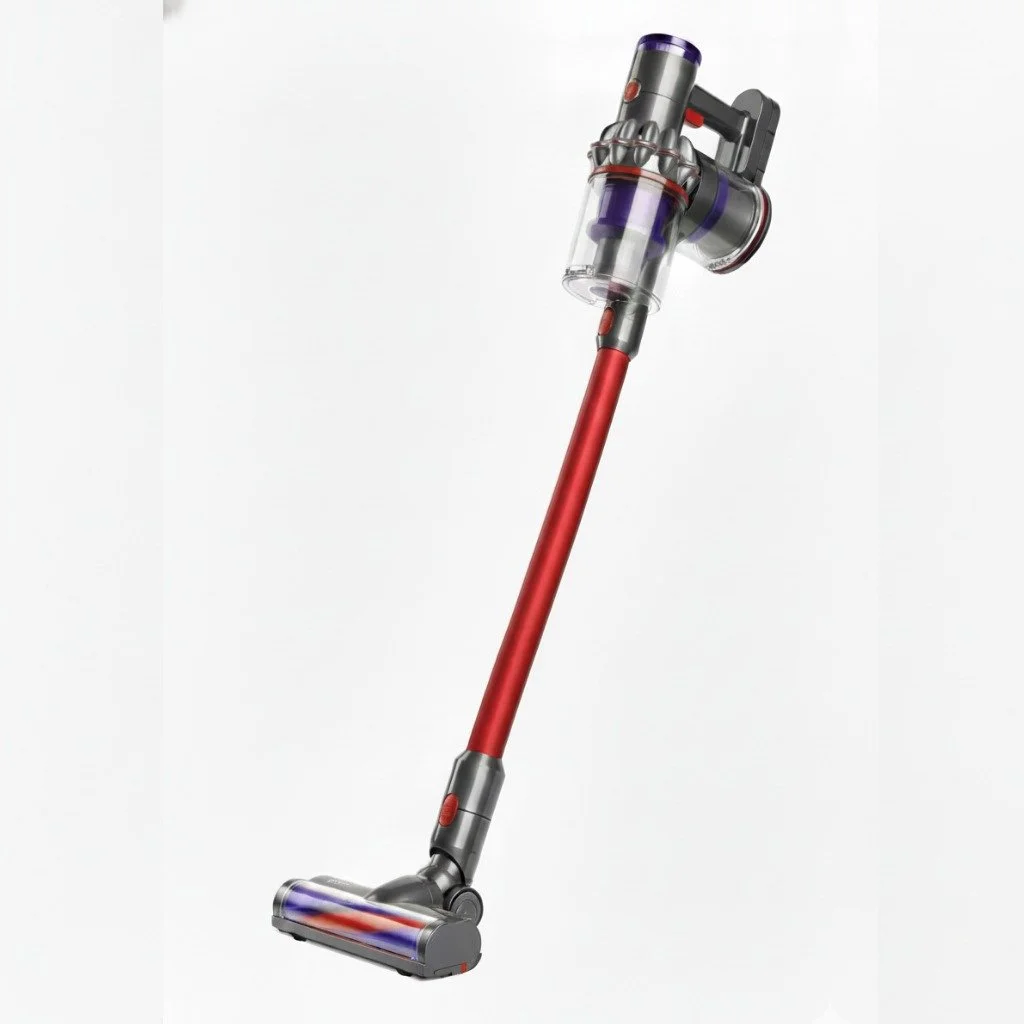
A comprehensive market analysis for e-commerce sellers looking to source, manufacture, or resell bagless vacuum cleaners for maximum profit
Bagless Vacuum Cleaners Summary of Research
The global bagless vacuum cleaner market was valued at $19.7 billion in 2024 and is projected to reach $43.3 billion by 2034, growing at a CAGR of 8.2%
Cordless bagless models dominate consumer search interest, with Google Trends showing normalized values rising from 48 to 89 between September 2024 and August 2025
Amazon's best-seller lists are dominated by Bissell, Shark, and Dyson, with the Bissell CleanView Swivel consistently ranking among top upright vacuums
Private label opportunity exists at the $45-$70 FOB price point from Chinese manufacturers, enabling 40-60% gross margins on DTC channels
Robot vacuums represent the fastest-growing segment at 16.97% CAGR, reaching an estimated $31.79 billion by 2033
Pet hair specialization and HEPA filtration are the two most demanded features across all consumer review platforms
Refurbished/open-box sales on eBay offer the best margin opportunity (30-45%) for capital-efficient sellers
Seasonal peaks align with Q4 holiday shopping, spring cleaning (March-April), and back-to-school (August)
1. Introduction
Defining the Category
Bagless vacuum cleaners are floor-cleaning appliances that use cyclonic separation technology to collect dust and debris in a reusable container rather than disposable bags. First commercialized by James Dyson in 1983, these devices have evolved from a premium innovation to the dominant market segment, now representing over 65% of all vacuum cleaner sales in the United States.
Market Landscape and Evolution
The vacuum cleaner industry has undergone dramatic transformation over the past decade. What began as simple suction machines have evolved into sophisticated smart home devices featuring AI navigation, HEPA filtration systems, and IoT connectivity.
The global vacuum cleaner market reached approximately $14-17 billion in 2024 (estimates vary by research firm) and is projected to grow to $31-39 billion by 2033, representing consistent annual growth between 8-10%. Within this market, bagless designs have captured the lion's share of consumer preference due to lower ongoing costs and environmental benefits.
Key Historical Milestones:
1983: James Dyson invents the first bagless vacuum using cyclonic separation
1991: Dyson launches in Japan, wins International Design Fair prize
2002: iRobot introduces the Roomba, pioneering robotic vacuums
2010s: Cordless technology matures, enabling stick vacuum adoption
2020s: Smart features, self-emptying bases, and mopping functions become standard
Market Drivers:
Rising urbanization (projected to reach 75-80% in China by 2035)
Increased pet ownership creating demand for specialized hair removal
Growing health awareness driving HEPA filter adoption
Smart home integration becoming expected rather than premium
Work-from-home trends increasing focus on indoor air quality
Product Types, Segments, and Price Ranges
Cordless Stick Vacuums ($80-$800) The fastest-growing segment, dominated by Dyson (V8, V11, V15 series) and Shark (Stratos, PowerDetect). These offer convenience and portability but face battery life limitations. Premium models feature laser dust detection, LCD displays, and 60+ minute runtimes.
Upright Bagless Vacuums ($50-$500) Traditional workhorses favored for deep carpet cleaning. Shark Navigator, Bissell CleanView, and Dyson Ball Animal 3 lead this segment. Best suited for larger homes with primarily carpeted floors.
Handheld/Car Vacuums ($20-$150) Compact, portable units for quick cleanups and automotive use. High-volume, lower-margin category with strong private label potential. Battery life and suction power are primary differentiators.
Robot Vacuums ($150-$1,500) Autonomous cleaning devices featuring LiDAR navigation, app control, and self-emptying bases. iRobot Roomba, Ecovacs, Roborock, and Dreame dominate. The segment is growing at 16.97% CAGR.
Canister Vacuums ($100-$1,000+) Preferred by allergy sufferers and cleaning professionals. Miele Complete C3 represents the premium end, while Eureka WhirlWind serves budget-conscious buyers.
Popular Brands and Market Positioning:
Brand Tier Examples Price Range Target Consumer Premium Dyson, Miele $400-$1,000+ Tech enthusiasts, allergy sufferers Mid-Range Shark, Bissell, Tineco $150-$400 Value-conscious homeowners Budget Eureka, Hoover, Black+Decker $50-$150 First-time buyers, renters Private Label Amazon Basics, store brands $40-$120 Price-sensitive consumers
Private Label Sourcing Analysis
For sellers considering manufacturing or sourcing private label bagless vacuums, understanding the complete cost structure is essential for profitability calculations.
| Cost Component | Handheld ($) | Cordless Stick ($) | Upright ($) |
|---|---|---|---|
| FOB Unit Price (Alibaba) | $8-$18 | $45-$70 | $35-$55 |
| Test MOQ | 50-100 units | 100-500 units | 100-300 units |
| Sea Freight (per unit) | $1.50-$3.00 | $4.00-$7.00 | $5.00-$9.00 |
| Import Duties (est. 3.4%) | $0.40-$0.60 | $1.50-$2.40 | $1.20-$1.90 |
| Customs Clearance | $0.50-$1.00 | $1.00-$2.00 | $1.00-$2.00 |
| Last Mile + Warehousing | $1.00-$2.00 | $2.00-$4.00 | $3.00-$5.00 |
| Quality Inspection | $0.50 | $1.00 | $1.00 |
| Total Landed Cost | $12-$25 | $55-$90 | $46-$75 |
| Suggested Retail Price | $35-$60 | $150-$250 | $120-$200 |
| Gross Margin Potential | 50-65% | 40-55% | 38-52% |
Assumptions: Sea freight based on 40ft container rates Q4 2024; import duties based on HTS code 8508.11 (vacuum cleaners with self-contained motor); quality inspection assumes third-party pre-shipment inspection; warehousing assumes 30-day average storage in US 3PL.
Key Sourcing Considerations:
Request CE, FCC, and UL certifications before ordering
Budget for 2-5% defect rate on first orders
Factor in $500-$2,000 for sample development
Plan for 30-45 day production lead time plus 25-35 day sea transit
2. Marketplace Sales Opportunity Analysis
Opportunity Score Legend
| Marketplace | Opportunity Score | Product Segment | Est. Weekly Unit Sales | Est. Weekly Revenue | Avg Price Range | Est. Profit Margin |
|---|---|---|---|---|---|---|
| Amazon | 5 | Cordless Stick Vacuums | 18,000-25,000 Medium | $3.6M-$7.5M | $150-$350 | 15-25% |
| 4 | Upright Bagless | 12,000-18,000 Medium | $1.8M-$4.5M | $100-$300 | 12-22% | |
| 6 | Handheld/Car Vacuums | 22,000-30,000 High | $660K-$1.5M | $25-$60 | 25-40% | |
| 7 | Robot Vacuums (Budget) | 8,000-12,000 Medium | $1.2M-$3M | $150-$300 | 18-30% | |
| eBay | 7 | Refurbished/Open Box | 4,500-7,000 Medium | $450K-$1.05M | $80-$200 | 30-45% |
| 6 | Cordless Stick (New) | 3,000-5,000 Medium | $450K-$1M | $120-$250 | 18-28% | |
| 8 | Parts and Accessories | 15,000-25,000 High | $225K-$500K | $10-$35 | 45-65% | |
| Walmart | 6 | Budget Upright ($50-$150) | 8,000-12,000 Medium | $640K-$1.2M | $60-$120 | 15-25% |
| 5 | Mid-Range Cordless | 5,000-8,000 Low | $750K-$1.6M | $150-$250 | 12-20% | |
| 7 | Wet/Dry Shop Vacuums | 3,500-5,500 Medium | $280K-$550K | $70-$120 | 22-35% | |
| Shopify/DTC | 8 | Premium Private Label | 500-1,500 Low | $100K-$375K | $180-$300 | 40-55% |
| 9 | Niche (Pet Hair Specialist) | 300-800 Low | $60K-$200K | $180-$280 | 45-60% | |
| 7 | Eco-Friendly/Sustainable | 200-500 Low | $50K-$150K | $220-$350 | 40-55% | |
| TikTok Shop | 8 | Compact/Handheld | 5,000-10,000 Low | $150K-$400K | $25-$50 | 35-50% |
| 7 | Viral Cordless Models | 2,000-5,000 Low | $200K-$600K | $80-$150 | 30-45% | |
| B2B/Wholesale | 6 | Commercial Grade | 1,000-2,500 Medium | $200K-$625K | $180-$300 | 20-30% |
| 7 | Bulk to Retailers | 5,000-15,000 Low | $250K-$900K | $45-$80 | 15-25% |
Highest Opportunity Segments:
DTC Niche (Pet Hair Specialist) - Score: 9/10. Low competition, high customer loyalty, premium pricing accepted
eBay Parts and Accessories - Score: 8/10. Exceptional margins (45-65%), recurring demand, low competition
Shopify Premium Private Label - Score: 8/10. Brand-building potential with 40-55% margins
TikTok Shop Compact/Handheld - Score: 8/10. Viral potential, younger demographic, impulse purchases
Most Competitive Segments:
Amazon Upright Bagless - Score: 4/10. Dominated by Bissell, Shark; razor-thin margins
Amazon Cordless Stick - Score: 5/10. Dyson dominance, high advertising costs
Walmart Mid-Range Cordless - Score: 5/10. Price competition with established brands
3. Buyer Demand and Keyword Trends Analysis
Main Buyer Personas
The Busy Professional (25-45, Urban) Values: Time savings, cordless convenience, smart features Decision drivers: Battery life, app connectivity, self-emptying capability Price sensitivity: Low to moderate; willing to pay premium for quality Preferred channels: Amazon Prime, DTC brands with fast shipping
The Pet Owner (All ages) Values: Hair removal capability, filtration quality, durability Decision drivers: Specialized pet attachments, tangle-free brushes, HEPA filters Price sensitivity: Moderate; views vacuum as essential investment Preferred channels: Amazon (reviews-driven), specialty pet retailers
The Allergy Sufferer (All ages) Values: HEPA filtration, sealed systems, air quality improvement Decision drivers: Filtration specifications, third-party certifications Price sensitivity: Low; health is priority over price Preferred channels: Direct from premium brands (Miele, Dyson)
The Budget-Conscious Family (30-50, Suburban) Values: Reliability, coverage area, brand reputation Decision drivers: Price-performance ratio, warranty, reviews Price sensitivity: High; seeks sales and promotions Preferred channels: Walmart, Amazon (comparison shopping), Black Friday sales
The Tech Enthusiast (25-40) Values: Innovation, smart home integration, cutting-edge features Decision drivers: Laser detection, AI navigation, app ecosystems Price sensitivity: Low for genuinely innovative features Preferred channels: Direct from brands, early adopter programs
Google Trends and Search Volume Analysis
High-Volume Search Terms (US Monthly Estimates):
"vacuum cleaner" - 450,000+ searches
"cordless vacuum" - 165,000+ searches
"robot vacuum" - 135,000+ searches
"dyson vacuum" - 110,000+ searches
"shark vacuum" - 90,000+ searches
"best vacuum for pet hair" - 40,000+ searches
"handheld vacuum" - 33,000+ searches
"bagless vacuum" - 22,000+ searches
Trending Queries (Rising Search Interest 2024-2025):
"vacuum for hardwood floors" (+35% YoY)
"self-emptying vacuum" (+48% YoY)
"wet dry vacuum cordless" (+62% YoY)
"vacuum mop combo" (+55% YoY)
"quiet vacuum cleaner" (+28% YoY)
Declining Queries:
"bagged vacuum cleaner" (-15% YoY)
"corded stick vacuum" (-22% YoY)
"vacuum cleaner bags" (-18% YoY)
Seasonal Patterns
Peak Seasons:
Q4 (October-December): Holiday gift-giving drives 35-40% of annual sales. Black Friday and Cyber Monday see highest discounting.
March-April: Spring cleaning surge; 20-25% lift in search volume
August: Back-to-school, college move-in; strong handheld/compact sales
Low Seasons:
January-February: Post-holiday slowdown; best time for inventory clearance
June-July: Summer slump for cleaning appliances
Reddit and Community Insights
Analysis of r/VacuumCleaners, r/BuyItForLife, and r/HomeImprovement reveals consistent consumer feedback:
Features Consumers Praise:
Shark's "Lift-Away" functionality for cleaning stairs and tight spaces
Dyson's laser dust detection for visualizing debris
Self-cleaning brush rolls that prevent hair tangles
Transparent dustbins for monitoring fill levels
Extended warranties (Shark's 5-year vs. industry standard 2-year)
Common Complaints and Improvement Opportunities:
Battery life inconsistency (26.6% of negative reviews cite this issue)
Suction loss over time in bagless models
Difficulty cleaning and replacing filters
Dust clouds when emptying bagless canisters
Weight and maneuverability of upright models
Cord management on corded models
Product Improvement Opportunities for Private Label:
Extended battery technology - Address the #1 complaint across cordless models
One-button dustbin release over trash can to minimize dust exposure
Indicator lights for filter cleaning reminders
Modular, user-replaceable parts to extend product lifespan
Quieter operation (current average 70-85 dB; opportunity at sub-65 dB)
Reddit Expert Recommendations: The vacuum expert community on Reddit consistently recommends Miele, Sebo, and Riccar for longevity, noting that premium vacuums often outlast budget options by 3-5x. For bagless specifically, the Shark Navigator series receives praise for offering "90% of Dyson's performance at 50% of the price."
Sources
Fortune Business Insights. Vacuum Cleaner Market Size, Share, Growth 2025-2032.
Straits Research. Vacuum Cleaner Market Size and Outlook 2025-2033.
Grand View Research. Vacuum Cleaner Market Size, Share, Industry Report 2033.
Global Growth Insights. Bagless Cylinder Vacuum Cleaners Market Size 2024-2033.
Prophecy Market Insights. Global Bagless Vacuum Cleaner Market 2024-2034.
IMARC Group. Robotic Vacuum Cleaner Market Size, Trends and Report 2033.
Precedence Research. Vacuum Cleaner Market Size to Hit USD 39.19 Bn by 2034.
Good Housekeeping Institute. Shark vs Dyson Comparison Testing 2024-2025.
Vacuum Wars. Top Cordless Vacuums of 2025: 110+ Models Tested.
Reddit r/VacuumCleaners and r/BuyItForLife community discussions and expert AMAs.
Disclaimer: Market estimates, sales projections, and opportunity scores in this report are based on publicly available industry research, marketplace data, and analyst assessments. Individual seller results will vary based on product quality, marketing execution, pricing strategy, and competitive conditions. Always conduct your own due diligence before making sourcing or investment decisions.