
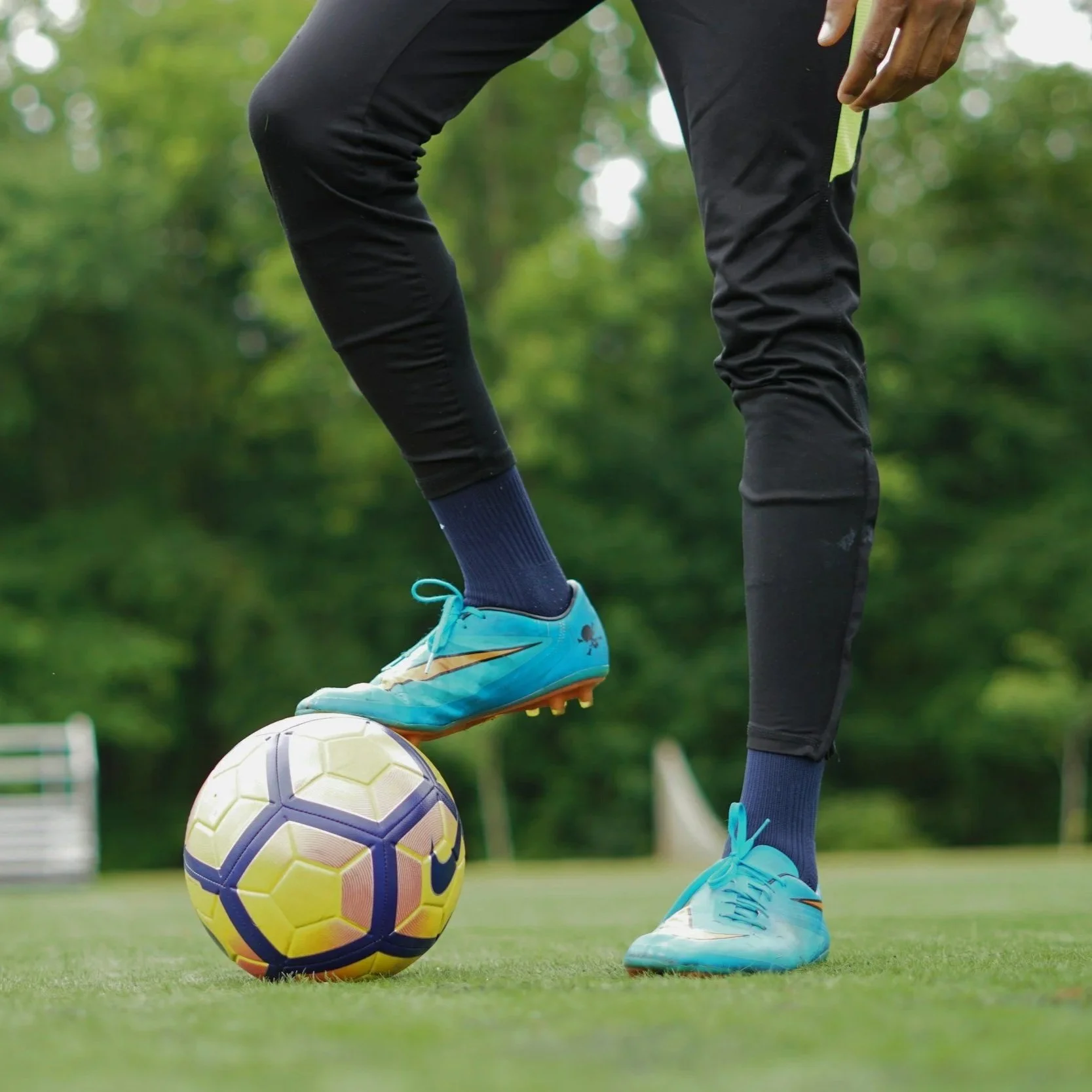
Soccer Cleats Research Summary
Market Size: The global soccer cleats market was valued at approximately $4.09 billion in 2024, projected to reach $6.35 billion by 2033 at a 5-6% CAGR
Dominant Players: Nike holds ~49% market share, Adidas ~38%, and Puma ~8-10% — but budget and private label brands are winning on Amazon
Youth Segment Dominance: Children aged 6-12 represent the largest buyer segment (~33% of all players), with nearly 14.1 million outdoor soccer participants in the U.S. alone
Seasonal Peaks: Back-to-school (August-September) generates approximately 35% of annual youth footwear sales; spring soccer season (March-May) creates secondary demand spike
Highest Opportunity Segments: Youth/kids cleats ($25-$45 range) on Amazon and Walmart show strong sales velocity with lower competition than premium adult segments
Private Label Potential: Sellers achieving 45-65% gross margins on private label versus 20-35% on branded resale; wholesale costs from Asia start at $11-26/pair landed
Platform Insight: Amazon best sellers are dominated by budget brands (DREAM PAIRS, Vizari, Brooman) rather than Nike/Adidas — signaling opportunity for newcomers
1. Introduction: Understanding the Soccer Cleats Market
Category Definition
Soccer cleats (known as football boots outside North America) are specialized athletic footwear designed to provide traction, stability, and ball control on various playing surfaces. The category segments by ground type:
FG (Firm Ground): Molded studs for natural grass — the largest segment
AG (Artificial Ground): Shorter studs for synthetic turf — fastest-growing segment in 2024
SG (Soft Ground): Metal studs for wet/muddy conditions
TF (Turf): Rubber nubs for hard artificial surfaces
IN (Indoor): Flat gum-rubber soles for indoor courts
Market Landscape & Historical Evolution
The soccer cleat has evolved dramatically since the heavy leather boots of the 1800s (weighing approximately 18 oz, reaching 1 kg when wet) to today's lightweight synthetic constructions averaging 7.5-10.5 oz. Key evolutionary milestones include Adidas's introduction of screw-in studs (1954), Nike's Mercurial line launch (1998), and recent innovations like knitted uppers and AI-driven custom fitting.
The North American market now represents the largest regional segment, driven by MLS expansion, the 2026 FIFA World Cup anticipation (hosted by US, Canada, and Mexico), and rising youth participation. The U.S. alone has over 14.1 million outdoor soccer participants ages 6+, with participation increasing year-over-year since 2018.
Current Market Dynamics
Growth Drivers:
Rising global soccer popularity, particularly in emerging markets
Increased youth participation in organized leagues (core participation up 8% since 2018)
Technological advancements in materials (Flyknit, carbon fiber plates)
Growing women's soccer interest opening new market segments
2026 World Cup anticipation driving equipment investment
Market Challenges:
Raw material price volatility affecting production costs
Counterfeit products impacting brand integrity
Seasonal demand fluctuations creating inventory management challenges
High cost of premium cleats limiting accessibility
Brand Landscape & Private Label Opportunity
Major Brand Market Share (Soccer Cleats Segment):
Nike: ~40-49% global market share, with $2+ billion annual soccer cleat revenue
Adidas: ~35-38% market share, $1.6+ billion annual revenue
Puma: ~8-10% market share, leveraging athlete partnerships (Neymar, Grealish)
Under Armour, New Balance, Mizuno, Umbro: Combined ~10%
Private Label & Budget Brands Rising: On Amazon, the best-seller lists are dominated not by Nike or Adidas, but by budget-conscious brands offering $20-$50 options:
DREAM PAIRS (consistently #1-3 in youth categories)
Vizari (strong in youth and budget adult segments)
Brooman
HaloTeam
TOPSFEBA
This signals a significant gap between major brand pricing ($80-$250) and what mass-market consumers are willing to pay for recreational soccer footwear.
2. Marketplace Sales Opportunity Analysis
📊 Opportunity Score Legend
| Marketplace | Opportunity Score | Product Segment | Est. Weekly Units | Est. Weekly Revenue | Avg. Price Range | Est. Profit Margin |
|---|---|---|---|---|---|---|
| Amazon | 9 | Youth/Kids Budget Cleats | 3,500 - 5,000 High | $105,000 - $175,000 | $25 - $45 | 45-60% |
| 7 | Adult Budget Cleats (FG/AG) | 1,800 - 2,500 Med | $90,000 - $150,000 | $40 - $65 | 40-55% | |
| 8 | Indoor/Turf Shoes | 1,200 - 1,800 Med | $48,000 - $90,000 | $35 - $55 | 45-55% | |
| 5 | Premium Brand (Nike/Adidas) | 800 - 1,200 Med | $120,000 - $240,000 | $120 - $200 | 15-30% | |
| 4 | Elite/Pro Level Cleats | 200 - 400 Low | $50,000 - $100,000 | $200 - $300 | 10-20% | |
| Walmart | 8 | Youth/Kids Value Cleats | 2,000 - 3,000 Med | $50,000 - $90,000 | $20 - $35 | 40-55% |
| 7 | Adult Budget Cleats | 800 - 1,200 Med | $32,000 - $60,000 | $30 - $50 | 35-50% | |
| 5 | Mid-Range Branded | 300 - 600 Low | $24,000 - $54,000 | $60 - $100 | 20-35% | |
| eBay | 6 | New Budget Cleats | 400 - 700 Med | $16,000 - $35,000 | $30 - $55 | 30-45% |
| 7 | Limited/Vintage Editions | 100 - 250 Low | $20,000 - $75,000 | $150 - $400 | 25-45% | |
| 5 | Used/Pre-Owned | 500 - 900 Low | $15,000 - $36,000 | $25 - $50 | 40-60% | |
| Shopify / DTC | 7 | Private Label Budget | 150 - 400 Low | $9,000 - $28,000 | $45 - $75 | 50-65% |
| 8 | Women's Specialty | 100 - 250 Low | $7,000 - $22,500 | $55 - $95 | 50-65% | |
| 6 | Niche Performance (Wide Fit) | 75 - 200 Low | $5,250 - $18,000 | $60 - $100 | 45-60% | |
| B2B / Wholesale | 8 | Youth League Team Orders | 500 - 1,500 Med | $12,500 - $45,000 | $20 - $35 | 25-40% |
| 6 | Retail Store Supply | 300 - 800 Low | $9,000 - $32,000 | $25 - $45 | 20-35% |
📌 Data Notes & Methodology
- Confidence Levels: High = marketplace data available; Medium = industry estimates; Low = calculated projections
- Weekly Units: Estimates based on Amazon BSR analysis, industry reports, and marketplace research (category-wide, not per-seller)
- Profit Margins: Gross margins after COGS; excludes marketplace fees, shipping, and operating costs
- Opportunity Score: Composite of demand volume, competition density, barrier to entry, and margin potential
- Seasonal Note: Figures represent annual averages; expect +40-60% during peak (Aug-Sept, Mar-May)
- Data sourced from: SFIA Reports, Market Research Future, Amazon Best Seller rankings, Shopify industry data
Key Marketplace Insights
Amazon (Highest Overall Volume):
Youth cleats in the $25-$45 range show strongest sales velocity
Best sellers move 700-1,000+ units monthly per listing
Private label brands dominate rankings, not Nike/Adidas
Customer reviews emphasize: comfort, durability, value, and accurate sizing
Walmart (Strong Value Segment):
Price sensitivity even higher than Amazon
Vizari and DREAM PAIRS maintain strong presence
Youth/kids segment represents majority of soccer cleat sales
Price points cluster around $20-$40
eBay (Secondary Market Opportunity):
Used/vintage cleats have collector market
New budget cleats viable but lower volume than Amazon
Better margins on authenticated premium/limited editions
Shopify/DTC (Brand-Building Potential):
1,700+ soccer-focused Shopify stores operating
Profit margins 10-70% depending on model (dropship vs. inventory)
Success requires content marketing, SEO investment
Soccer Wearhouse, Niky's Sports, Azteca Soccer examples of successful DTC
Ultra Football demonstrates omnichannel integration (online + experiential retail)
Emerging Channels:
TikTok Shop gaining traction for soccer content creators
Instagram Shopping for lifestyle/fashion-oriented cleats
Wholesale/B2B to leagues, schools, clubs (bulk pricing opportunities)
3. Buyer Demand & Keyword Trends Analysis
Primary Buyer Personas
1. Youth Soccer Parents (Largest Segment)
Profile: Parents purchasing for children ages 6-17 in recreational or competitive leagues
Key Concerns: Durability (kids outgrow/destroy quickly), value, comfort, ease of putting on/taking off
Price Sensitivity: HIGH — prefer $20-$60 range
Purchase Frequency: 1-2x per year (growth + wear)
Search Behavior: "kids soccer cleats," "youth soccer shoes," "soccer cleats for boys/girls"
2. Adult Recreational Players
Profile: Amateur/recreational players, adult leagues, weekend warriors
Key Concerns: Comfort, durability, wide foot options, value
Price Sensitivity: MEDIUM — willing to pay $50-$120 for quality
Purchase Frequency: Annually or less
Search Behavior: "soccer cleats mens," "comfortable soccer cleats," "wide soccer cleats," "turf soccer shoes"
3. Competitive/Club Players
Profile: Serious youth and adult players on travel/club teams
Key Concerns: Performance features, brand prestige, specific surface types
Price Sensitivity: LOW-MEDIUM — will invest $100-$200+
Purchase Frequency: 1-3x per year
Search Behavior: "best soccer cleats 2024," "[Brand] Mercurial," "FG soccer cleats," "AG cleats"
4. Indoor/Futsal Players
Profile: Year-round indoor league participants
Key Concerns: Non-marking soles, grip, durability on hard surfaces
Price Sensitivity: MEDIUM
Search Behavior: "indoor soccer shoes," "futsal shoes," "turf soccer shoes"
5. Women/Girls Players
Profile: Growing segment with specific fit needs
Key Concerns: Fit (women's-specific lasts), style options, availability
Price Sensitivity: MEDIUM
Search Behavior: "womens soccer cleats," "girls soccer shoes," "soccer cleats for women"
Search Volume & Keyword Trends
High-Volume Keywords (Estimated Monthly Search Volume):
"soccer cleats" — 100,000-200,000
"kids soccer cleats" — 50,000-80,000
"youth soccer cleats" — 30,000-50,000
"mens soccer cleats" — 40,000-60,000
"nike soccer cleats" — 60,000-90,000
"adidas soccer cleats" — 40,000-60,000
"indoor soccer shoes" — 30,000-50,000
"turf soccer shoes" — 20,000-40,000
Rising/Trending Queries:
"Nike youth soccer cleats" — peaks in August (back-to-school)
"indoor soccer cleats" — spikes January-February (indoor season)
"soccer cleats for wide feet" — consistent growth, underserved niche
"women's soccer cleats" — accelerating with NWSL growth
"custom soccer cleats" — increasing interest in personalization
"eco-friendly soccer cleats" — emerging sustainability trend
Seasonal Demand Patterns
Peak Seasons:
August-September: Back-to-school/fall soccer season start — generates ~35% of youth footwear annual volume
March-May: Spring soccer season, high school/club tryouts
November-December: Holiday gifting (secondary peak)
January-February: Indoor soccer shoe spike
Off-Peak:
June-July: Post-season lull (opportunity for clearance inventory acquisition)
October-November: Between fall and holiday
Consumer Sentiment from Community Forums
Reddit r/bootroom, r/soccer Common Themes:
Positive Factors Driving Purchases:
"Finally found cleats that fit my wide feet" — fit is paramount
"Great value for recreational play" — budget options well-received
"My kid loves the colorway" — aesthetics matter to youth
"Held up well after 6 months of practice" — durability key
Pain Points Creating Opportunities:
"Nike/Adidas sizing is inconsistent" — sizing guides create loyalty
"Hard to find women's cleats in good colors" — women's segment underserved
"Elite cleats aren't worth 3x the price for weekend warriors" — value gap
"My kid's cleats fell apart in 2 months" — quality differentiation opportunity
"Can't find FG/AG combination cleats easily" — multi-ground hybrid opportunity
4. Actionable Insights for Sellers
Market Entry Strategies
Low-Risk Entry (Retail Arbitrage/Wholesale):
Source clearance Nike/Adidas from authorized liquidators
Focus on Amazon FBA for youth sizes (highest velocity)
Target end-of-season buying for 40-60% off MSRP
Expect 20-35% gross margins
Medium-Risk Entry (Private Label):
Source from Chinese manufacturers (FOB $11-20/pair for quality options)
Landed cost including duties/shipping approximately $22-30/pair
Target retail pricing $45-65 for youth, $55-85 for adult
Expect 45-65% gross margins
MOQ typically 500-5,000 pairs per style
Development timeline: 6-12 months to market
Strategic Positioning Opportunities:
Wide-foot specialist: Underserved niche with dedicated buyer base
Women's-focused brand: Growing segment with limited options
Youth multi-surface (FG/AG): Versatility appeals to budget-conscious parents
Premium turf/indoor: Year-round demand, less seasonal volatility
Sustainable/eco-friendly: Emerging differentiation opportunity
Pricing Strategy Guidelines
Youth Cleats (Primary Opportunity):
Wholesale cost target: $8-15/pair
Landed cost target: $15-22/pair
Amazon retail: $29-$45
Target margin: 50-65%
Adult Budget Cleats:
Wholesale cost target: $12-20/pair
Landed cost target: $20-30/pair
Amazon retail: $45-$70
Target margin: 45-55%
Quality Indicators to Verify:
Outsole durability (TPU > rubber)
Upper material quality (synthetic leather, knit)
Stud configuration (rotational patterns preferred)
Fit consistency (size sampling critical)
Return rate benchmarks: 5-8% acceptable, >12% indicates quality issues
Sources & References
The following sources were consulted in compiling this market analysis:
Market Research Future (MRFR), Cleats Market Size Report 2024-2034
Future Data Stats, Soccer Cleats Market Research Report 2024
Business Research Insights, Football Boots and Cleats Market Analysis
Precedence Research, Football Equipment Market Size 2025-2034
Sports & Fitness Industry Association (SFIA), 2024 U.S. Trends in Team Sports Report
Statista, Soccer in the U.S. Statistics & Facts
Project Play / Aspen Institute, State of Play 2024 Report
FOR SOCCER, Soccer Participation in the United States Analysis
Solereview, What Does It Cost to Make a Running Shoe (Manufacturing Cost Analysis)
Shopify Enterprise Blog, Sporting Goods Industry Trends 2025
This analysis was prepared for e-commerce sellers and marketplace entrepreneurs. Data reflects publicly available market research, industry reports, and marketplace observations as of late 2024/early 2025. Specific sales figures are estimates based on available data sources and should be validated with current marketplace research before making inventory or sourcing decisions.