
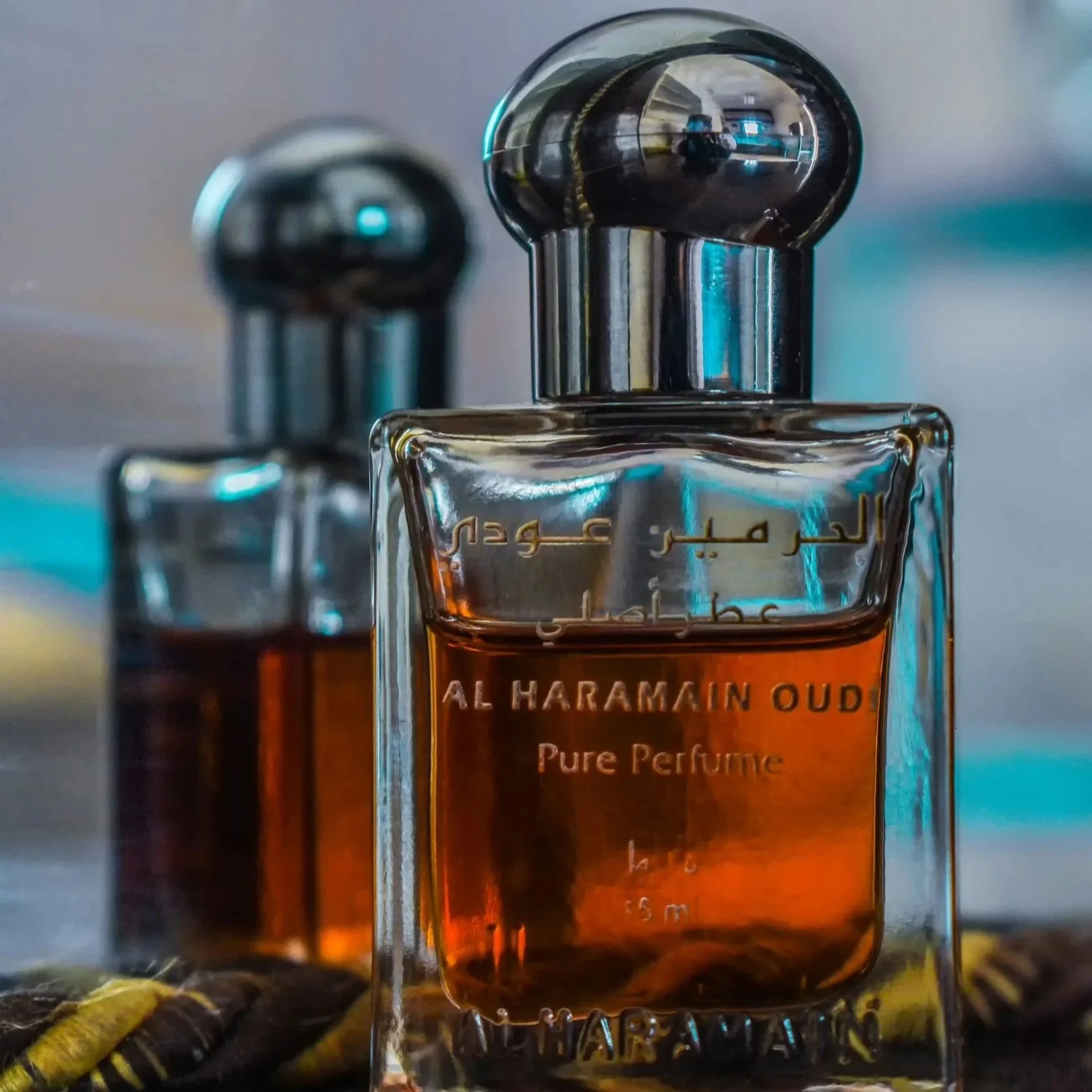
Article Summary: Key Insights at a Glance
- Arabian-style fragrance has gone from a regional tradition to a global e-commerce category. Euromonitor puts the segment at roughly $4.9 billion in 2025, Brazil's sales of Arabian fragrances jumped 286% that year on the back of e-commerce, and fragrance across the Middle East and North Africa is growing about 11% a year.
- Discovery is social first. Spate data shows searches for "Arabian perfume" on TikTok and Google grew more than 60% in 2025, and Lattafa went from near-invisible in the US to over $100 million in Amazon sales in twelve months, almost entirely on TikTok creator content.
- A handful of hero SKUs own the shelf. On Amazon US, Lattafa Khamrah, Afnan 9 PM and Armaf Club de Nuit Intense Man each sell an estimated 10,000 units a month at $20 to $28, with review counts from 25,000 to nearly 100,000. During October 2025 Prime Day, Arabian fragrances took four of the top ten fragrance slots.
- That success has created the category's biggest problem: trust. Buyer complaints cluster around counterfeits, batch-to-batch variation, sprayers that spit or leak, and harsh, cloying or headache-inducing openings bought blind on the strength of a 30-second video.
- Reselling the famous bottles is a margin trap. Wholesale for a 100ml Khamrah sits around $21, while the Amazon price sits near $24. After referral and dangerous-goods fulfilment fees, a reseller loses money on every unit.
- The private label opening is an original-name Arabian-style house that sells transparency: dated batches, a published maceration date, a leak-tested sprayer, honest performance notes and a sample-first path that removes blind-buy regret.
- Alcohol-free perfume oils are the sleeper format. They are the traditional attar format for many Middle Eastern, South Asian and Muslim buyers, they avoid most of the flammable-liquid shipping rules that make alcohol sprays a headache, and roll-on oils such as Al Rehab Choco Musk already move an estimated 8,000 units a month on Amazon US.
- Tariffs are moderate compared with Chinese-origin goods. Perfumes enter the US duty-free under heading 3303, but UAE and Saudi goods now carry a 12.5% Section 301 duty and Indian goods 10% since 24 July 2026, against roughly 37.5% for Chinese-origin perfume.
- Legal risk sits in the marketing, not the juice. A scent cannot be trademarked, but recent cases show brands winning on trade dress and "smells exactly like" claims. Original names, original bottles and no designer brand names in listings are non-negotiable.
- A credible launch costs about $15,900 for 1,000 bottles of 100ml EDP across two scents from a UAE contract filler, plus a sample vial program. Target gross margins run 50% to 55% at $34.99 to $49.99.
1. Actionable Insights First: Executive Opportunity Summary
Top 3 Selling Opportunities Right Now
Opportunity 1: An original Arabian-style gourmand EDP sold on trust, not on "smells like"
Opportunity Score: 9/10
The best-selling Arabian bottles win on richness, longevity and price. What none of the big houses have solved is the buyer's anxiety: is this bottle real, is this batch as good as the one in the video, and will the sprayer leak in the post? A new brand cannot out-hype Lattafa, but it can out-trust it. Launch one or two original gourmand scents (vanilla, date, coffee, tobacco, amber and soft oud are the proven lanes) in a 100ml EDP with a dated batch label, a published maceration date, a leak-tested crimped sprayer and a satisfaction promise. Name it something original, never mention a designer house, and let the performance notes do the selling.
- Profit margin range: 52% to 55% gross, 30% to 36% net after ads and returns
- Typical factory cost: $4.50 to $7.50 per 100ml filled and boxed (UAE contract filler)
- Typical retail: $34.99 to $49.99
- Growth signal: Lattafa grew 105% year on year in Spate's popularity index, with about 89% of its popularity share coming from TikTok
Opportunity 2: Alcohol-free Arabian perfume oils and layering kits
Opportunity Score: 8/10
Perfume oils are the original Arabian format, and they solve three problems at once. They appeal to buyers who avoid alcohol for religious or skin reasons, they sit close to the skin so they suit offices and shared spaces, and they can usually ship without the ground-only flammable-liquid rules that block alcohol sprays from air mail, international post and Hawaii. A 10ml to 12ml roll-on line in gourmand musks, white musk, amber and rose, sold singly and in three-scent layering kits, fits TikTok Shop impulse prices and Amazon's under-$20 lane.
- Profit margin range: 54% to 56% gross
- Typical factory cost: $1.20 to $1.60 per 12ml roll-on
- Typical retail: $14.99 to $19.99, kits $29.99
- Growth signal: Amazon roll-on oils such as Al Rehab Choco Musk Marshmallow posted 50% month-on-month growth in July 2026, and solid and oil formats are riding a broader alcohol-free fragrance trend
Opportunity 3: Discovery and sample sets that end blind-buy regret
Opportunity Score: 8/10
The most repeated advice across fragrance communities about Arabian perfumes is simple: do not blind buy, sample first. Buyers love the price of a $25 bottle but hate owning six they will never wear. A 5 x 5ml discovery set at $24.99, with a credit toward a full bottle, converts the sceptical buyer and feeds the full-size SKU. Lattafa already sells mini collections at $39.99 on its US site, which proves the demand and sets a price ceiling to undercut.
- Profit margin range: 50% to 52% gross
- Typical factory cost: $3.20 to $3.60 per 5-vial set
- Typical retail: $22.99 to $27.99
- Growth signal: fragrance "wardrobes" and layering are now a standard way younger buyers shop, which rewards small formats
Quick Action Items
Never resell the hero SKUs as your main business. Price discovery on Khamrah, Asad, 9 PM and Club de Nuit is set by authorised distributors with millions in volume. Check landed cost against the current Amazon price before buying even a trial case.
Put a batch date and a maceration date on every bottle. Batch variation is the single most cited frustration in critical reviews of popular Arabian EDPs. Publishing when a batch was made and how long it rested is a trust signal no competitor offers.
Leak-test the sprayer before you approve the run. Order samples from three fillers, fill 20 bottles each, ship them through the ground network in summer heat and count leaks, spits and dry pumps. Reject any spec with more than one failure in 20.
Write performance notes, not hype. State honest projection ("arm's length after two hours"), honest longevity ranges, and the best season. Say what kind of person will dislike it. It sounds counterintuitive, but it cuts returns and negative reviews more than any other listing change.
Build the listing around authenticity. Main image of the bottle, second showing the batch label and verification QR code, third showing the leak-tested crimped sprayer, fourth showing the scent pyramid and performance chart, fifth showing the sample-first offer.
Red Flags to Avoid
Designer names in any listing, title, tag or ad. A fragrance itself cannot be trademarked, but recent cases show brands winning on packaging trade dress and on influencer claims that a product "smells exactly like" theirs. A Spanish EU trademark court also ruled against a smell-alike brand for using well-known marks to sell its perfumes.
Cheap Alibaba "Arab perfume" lots. Listings for unbranded "original Arab perfume" at $4.58 to $10.58 with a minimum order of four pieces are a counterfeit and quality minefield. Fakes of popular flankers spread widely in 2025, and buyers now describe them as thin, harsh and short-lived.
Ignoring dangerous goods rules. Alcohol-based perfume is a Class 3 flammable liquid. Amazon FBA usually requires a dangerous goods review, and USPS limits it to ground service only, at no more than 16 fluid ounces per package, with no international or military mail.
Assuming tariffs are zero because the base rate is zero. Heading 3303 is duty-free under the general rate, but UAE and Saudi origin goods now carry 12.5%, Indian goods 10%, and Chinese goods roughly 37.5% once existing China duties are stacked.
Skipping allergen paperwork. The EU's expanded fragrance allergen list (more than 80 substances) became mandatory for new products on 31 July 2026, Canada is phasing in a similar list through 2028, and the FDA is working on a US rule under MoCRA. Get a full allergen breakdown and IFRA certificate from your filler now.
Best Entry Point for New Sellers
Product recommendation: Two original 100ml Eau de Parfum scents from a UAE contract filler, one sweet gourmand (date, vanilla and amber) and one smoky woody (oud accord, incense and tonka), each with a dated batch label, a published maceration date, a crimped leak-tested sprayer and a 2ml sample vial program for sample-first buyers.
Primary marketplace: TikTok Shop, with creator-led "first spray versus four hours later" content
Secondary marketplace: Amazon US, enrolled in the FBA Dangerous Goods program
Price range: $34.99 to $44.99 for 100ml, $4.99 sample vials credited against a full bottle
Startup cost breakdown for 1,000 bottles plus 1,000 sample vials from a UAE filler:
| Line Item | Cost | Notes |
|---|---|---|
| Finished product (1,000 x 100ml EDP) | $4,800 | $4.80 per filled, crimped, boxed and cellophaned bottle across two scents |
| Sample vials (1,000 x 2ml) | $350 | Filled from the same batch for honest sampling |
| Fragrance development and IFRA documents | $1,200 | Two rounds of mods, IFRA certificate, SDS and allergen breakdown |
| Freight, duty and customs broker | $1,900 | Dangerous goods sea LCL from Jebel Ali, 12.5% duty on factory value, broker and bond |
| Packaging and batch label design | $700 | Box artwork, batch date and maceration label, QR verification page |
| Regulatory and label review | $600 | MoCRA facility and product listing support, claims and label check |
| Product photography and video | $1,000 | Lifestyle set, sprayer close-ups, two short-form creator-style videos |
| Brand registry, UPCs, trademark filing | $650 | Needed for brand protection and A+ content |
| Launch advertising (8 weeks) | $3,000 | TikTok Shop affiliate commissions plus Amazon Sponsored Products |
| Creator seeding | $900 | Bottles, samples and ground shipping to 60 fragrance creators |
| Leak, heat and contingency | $800 | Three filler sample rounds, transit tests, roughly 5% buffer |
| Total startup cost | $15,900 | Roughly $15.90 fully loaded per full-size bottle |
Why this works:
Three things make an honest, original Arabian-style EDP the right first move. First, it rides the strongest discovery engine in beauty (TikTok fragrance content) without competing head-on with authorised distributors on the same famous bottle. Second, the category's biggest complaints (fakes, batch variation and leaky sprayers) are supply-chain problems that a small brand can visibly fix and show in listing images. Third, the UAE filler ecosystem offers small minimums, 15 to 30 day lead times and an origin story buyers actually want, with a duty rate far below Chinese-origin goods.
The tempting alternative, reselling Khamrah or Asad on Amazon, fails on arithmetic. When the wholesale price sits within a few dollars of the marketplace price, fees turn every sale into a loss, and the reseller still carries the counterfeit and authenticity complaints.
2. Quick Data Scans: Marketplace Sales Opportunity Analysis
Legend
| Score Range | Meaning | Action |
|---|---|---|
| 8 to 10 | High demand, low to moderate competition | Enter now |
| 5 to 7 | Moderate demand, moderate competition | Test carefully |
| 1 to 4 | Low demand or oversaturated | Avoid |
Marketplace Opportunity Matrix
| Marketplace | Opportunity Score | Product Segment | Est. Weekly Unit Sales | Est. Weekly Revenue | Avg Price Range | Est. Net Margin |
|---|---|---|---|---|---|---|
| TikTok Shop | 9 | Original gourmand EDP with creator content (100ml) | 150 to 400 | $5,200 to $18,000 | $34.99 to $44.99 | 30% to 36% |
| TikTok Shop | 8 | Perfume oil roll-ons and layering kits | 200 to 500 | $3,000 to $10,000 | $14.99 to $29.99 | 30% to 38% |
| TikTok Shop | 4 | Reselling famous Arabian bottles | High | Low margin | $19.99 to $34.99 | Under 5% |
| Amazon US | 8 | Original Arabian-style EDP (FBA Dangerous Goods enrolled) | 120 to 300 | $4,200 to $13,500 | $34.99 to $49.99 | 28% to 34% |
| Amazon US | 8 | Alcohol-free perfume oil roll-ons | 150 to 400 | $2,200 to $8,000 | $14.99 to $19.99 | 30% to 37% |
| Amazon US | 8 | Discovery and sample sets | 80 to 220 | $2,000 to $6,100 | $22.99 to $27.99 | 28% to 34% |
| Amazon US | 2 | Reselling Khamrah, Asad, 9 PM, Club de Nuit (price set by distributors) | High | Negative | $20 to $28 | Negative |
| Shopify / DTC | 8 | Sample-first subscription and full-size credit | 40 to 120 | $1,400 to $5,400 | $24.99 to $49.99 | 40% to 50% |
| Mercado Libre (Mexico and Brazil) | 7 | Gourmand EDPs and gift sets | 60 to 180 | $1,800 to $6,300 | US$29 to US$39 equivalent | 24% to 32% |
| Walmart Marketplace | 6 | Value EDPs and gift sets | 40 to 120 | $1,400 to $4,800 | $29.99 to $39.99 | 24% to 30% |
| Amazon UK | 6 | Original EDPs and oils | 40 to 110 | $1,500 to $4,500 | £24.99 to £34.99 | 24% to 30% |
| Amazon Australia | 6 | Oils and EDPs for gifting | 25 to 80 | $900 to $3,200 | A$49 to A$69 | 24% to 30% |
| Etsy | 6 | Hand-blended attars and oil sets | 25 to 70 | $500 to $1,700 | $18 to $35 | 38% to 48% |
| eBay US | 5 | Oils, sample decants, sets (ground-only rules for sprays) | 30 to 90 | $600 to $2,200 | $14.99 to $34.99 | 22% to 30% |
| Amazon.ae and Noon | 3 | Home market, saturated by local houses | Low | Low | AED 39 to AED 99 | 10% to 18% |
| Temu / Shein | 2 | Ultra-cheap generic "Arab perfume" | High | Low | $4.99 to $9.99 | Under 5% |
Table Notes and Methodology
Unit and revenue estimates describe what a competent single seller with an established, well-reviewed listing can expect in an average non-peak week, not total marketplace volume. The October to December gifting window typically runs 40% to 70% above these ranges, and the weeks before Eid, Valentine's Day and Father's Day run 20% to 35% above. Viral creator videos can lift a single SKU by several hundred percent for a week, so treat spikes as a bonus rather than a forecast.
Margin figures are net after marketplace fees, payment processing, dangerous goods fulfilment surcharges, inbound freight, an assumed 5% to 8% return and damage rate, and an advertising or affiliate allocation of 14% to 20% of revenue. TikTok Shop affiliate commissions in fragrance commonly run 15% to 25%, which is why net margins there sit below gross margins by a wide gap.
Opportunity scores weigh four inputs equally: demand depth, competitive density, the seller's ability to differentiate on something other than price, and margin durability. Reselling famous bottles scores lowest despite huge demand because price is set by the brand's own distribution, counterfeit complaints are frequent, and margins after fees are close to zero or negative. The Gulf home markets score low because local houses already sell at prices no importer can match.
3. Deeper Context: Market Landscape and Buyer Intelligence
A. Market Overview
Category Definition and Size
Arabian-style perfume covers fragrances made by, or in the tradition of, perfume houses from the UAE, Saudi Arabia and the wider Gulf. The style leans on oud (agarwood), amber, musk, saffron, rose, incense and, more recently, rich gourmand notes like vanilla, dates, coffee and caramel. It is usually sold at high concentration and is known for strong projection and long wear. The category splits into six formats:
- Eau de Parfum sprays (100ml), the dominant export format and the core of TikTok and Amazon sales.
- Concentrated perfume oils and attars, usually alcohol-free, sold in 3ml to 12ml roll-ons or dabbers. The traditional format across the Gulf, South Asia and Muslim communities worldwide.
- Gift sets and mini collections, combining a full bottle with deodorant spray, body mist or 5ml minis.
- Body mists, hair mists and perfumed deodorants, low-price add-ons that big houses use for basket building.
- Bakhoor and home fragrance, incense chips and room sprays that sit alongside personal fragrance in Gulf households.
- Solid perfumes and balms, a smaller but fast-growing alcohol-free format.
Sizing this segment is unusually hard because it spans Gulf domestic markets and fast-growing exports. Euromonitor's bottom-up estimate puts Arabian fragrances at about $4.9 billion in 2025. Within the Middle East and North Africa, fragrance grew about 11% a year in Euromonitor's 2024 data. Saudi Arabia alone, the world's largest Arabic perfumery market, was worth about SAR 7.8 billion in 2022 and is projected to reach SAR 13.4 billion by 2027.
Export growth is where sellers should focus. Brazil's sales of Arabian fragrances grew 286% in 2025, driven by e-commerce. In Mexico, Lattafa's online sales have climbed steeply with each holiday season and kept running well above prior-year levels into 2026. In the US, Lattafa crossed $100 million in Amazon sales in twelve months and racked up more than $63 million in TikTok Shop sales in a single year. In the UK, Boots added 26 Middle Eastern fragrances in 2026, citing a 69% rise in Google searches for Arabian perfume.
On Amazon US, a tracked "opulent dubai lattafa" search shows top-ten products averaging about 8,800 units a month at an average price of $25.08 and a 4.5 star rating. The category is heavily concentrated: Khamrah (about 37,300 reviews), Afnan 9 PM (about 25,000), Asad (about 28,700) and Club de Nuit Intense Man EDT (about 99,100) dominate almost every Arabian search.
Product Evolution and Recent Trends
The category has moved through three phases.
Phase one, before 2018, was diaspora and enthusiast-led. Arabian houses sold through Gulf malls, souks, duty-free and specialist importers, with Western awareness limited to fragrance forums and buyers from Middle Eastern, South Asian and African communities.
Phase two, 2018 to 2022, was the clone discovery era. Armaf Club de Nuit Intense Man became famous online as an affordable alternative to a cult niche scent, and YouTube reviewers began recommending Arabian houses for "luxury smell, budget price".
Phase three, 2023 to 2026, is the TikTok boom. Lattafa Khamrah, launched in 2022, spread through forums, YouTube and TikTok faster than almost any Arabic release before it. Short-form video turned Arabian perfume into one of the most blind-bought categories online, and mainstream retailers followed.
Four trends define 2026:
Gourmand is the growth engine. The wider boom in sweet, edible notes primed Western buyers for richer Arabian blends. Vanilla, date, coffee, honey and chocolate sit at the top of the new launches.
The big houses are flooding the zone with flankers. Khamrah alone now has Qahwa and Dukhan versions, and Lattafa's US site lists 225 products. Buyers struggle to tell versions apart, which leaves room for brands with fewer, clearer scents.
Counterfeits are rising with popularity. Fakes of popular flankers spread widely in 2025. Brands now run authentication guides, holographic seals and online takedown programs.
Alcohol-free formats are going mainstream. Oils, balms and solid perfumes are part of a broader 2026 alcohol-free fragrance trend, and the format is native to Arabian perfumery.
Leading Brands and Market Disruptors
Lattafa (UAE) is the category leader. It has topped US TikTok Shop fragrance sales with as much as $4.9 million in a single tracked month, led Prime Day fragrance with a 12.4% share of sales in October 2025, and its Khamrah sells an estimated 10,000 units a month on Amazon US at around $24. Sister brands Lattafa Pride and Maison Alhambra extend its reach.
Armaf (UAE, Sterling Perfumes) owns the men's value lane with Club de Nuit Intense Man, launched in 2015, at about $25 for the EDT and $47 for the 200ml EDP. It has posted roughly $1.1 million to $1.2 million in monthly US TikTok Shop sales in tracked months, typically ranking second to fourth among fragrance brands.
Afnan (UAE) is the "smells expensive" specialist. 9 PM sells around $25 to $27 on Amazon US with roughly 25,000 reviews, and the Supremacy line extends into fresh styles.
Rasasi, Swiss Arabian, Ajmal and Al Haramain are the heritage houses, with deeper oud and oil ranges, higher average prices and strong department store and duty-free presence.
Al Rehab dominates low-price perfume oils, including Choco Musk roll-ons that sell an estimated 8,000 units a month on Amazon US at around $5 to $6.
Kayali (Dubai-born, US-built) proves the premium ceiling. It became Sephora's number one fragrance brand in the first half of 2025, with Middle Eastern inspiration and Western prestige pricing.
Indian and South Asian brands such as Bellavita are using Arabian notes at mass prices. A Bellavita honey oud EDP is tracked at about 20,000 units a month on a men's Arabic cologne search, showing how far the style has spread beyond Gulf houses.
Private label opportunity assessment: Open, with conditions. UAE contract fillers in Dubai, Sharjah and Ajman quote packaged private label from 50 to 100 units per SKU at the smallest workshops up to 500 to 1,000 units at established manufacturers, with 15 to 30 day lead times from Jebel Ali. The barriers are scent quality, sprayer quality, compliance paperwork and the discipline to never borrow a designer name.
Price Tiers and Popular Brands
| Tier | Price Range (100ml) | Representative Products | Reseller Margin | Sourcing Strategy |
|---|---|---|---|---|
| Tier 1: Oils and minis | $5 to $15 | Roll-on oils, 5ml minis (Al Rehab around $5.50, Kuumba Made around $12.49) | 30% to 45% own brand | Oil roll-ons as entry and add-on SKUs |
| Tier 2: Viral value EDPs | $20 to $30 | Hero bottles (Asad around $20.49, Khamrah around $24.19, 9 PM around $24.99) | Negative to 10% resold | Do not resell. Benchmark only |
| Tier 3: Value plus EDPs | $30 to $50 | Flankers, extraits, gift sets (Lattafa USA $29.99 to $59.99, CDNI EDP 200ml around $47) | 45% to 55% own brand | UAE filler, original scent, trust features |
| Tier 4: Heritage and premium Arabian | $60 to $150 | Rasasi, Swiss Arabian, Ajmal, Arabian Oud | 50% to 60% own brand | Only with natural oud content and strong story |
| Tier 5: Prestige Middle Eastern | $150 to $400 | Kayali, Amouage, niche oud houses | Not a starting tier | Requires retail distribution and capital |
B. Buyer Persona Deep Dive
Persona 1: The TikTok Blind Buyer
Demographics: Age 18 to 30. Roughly 55% female, 45% male. Household income $35,000 to $90,000. Watches fragrance creators daily and owns five to fifteen bottles.
Purchase motivations, ranked: 1) The scent everyone is talking about. 2) "Smells expensive" for under $40. 3) Compliments.
Price sensitivity: High. Sweet spot $20 to $40.
Pain points:
- Buying blind and hating the opening.
- Not knowing whether a seller is genuine.
- Too many near-identical flankers to choose from.
- Bottles that arrive leaking or with a broken sprayer.
What they are solving for: Social proof and a cheap thrill of discovery.
Decision factors: Creator videos, price, comment section consensus and TikTok Shop deals.
Brand loyalty: Low to the brand, high to the creator.
Persona 2: The Compliment Chaser
Demographics: Age 20 to 38. Roughly 80% male, 20% female. Gym, nightlife and dating-app active.
Purchase motivations, ranked: 1) Projection and longevity ("beast mode"). 2) Compliments. 3) Value per wear.
Price sensitivity: Moderate. Sweet spot $25 to $50.
Pain points:
- Scents that fade in three hours despite the hype.
- Suspecting a fake when performance disappoints.
- Overpowering openings that cause headaches.
- Batches that smell different from the last bottle.
What they are solving for: Being noticed.
Decision factors: Performance reviews, creator rankings, season fit.
Brand loyalty: Moderate. Repeats a proven bottle.
Persona 3: The Designer Budget Seeker
Demographics: Age 25 to 45. Roughly 50% male, 50% female. Owns or wants prestige perfumes but resents prestige prices.
Purchase motivations, ranked: 1) A luxury profile at a fraction of the price. 2) Quality bottle and box. 3) Gift-worthiness.
Price sensitivity: Moderate. Sweet spot $30 to $60.
Pain points:
- Alternatives that drift far from what they were promised.
- Cheap-feeling caps and sprayers.
- Synthetic, sharp openings.
- Unclear authenticity from third-party sellers.
What they are solving for: Feeling luxurious without the guilt.
Decision factors: Comparison reviews, bottle quality, price per ml.
Brand loyalty: Low to moderate.
Persona 4: The Heritage Wearer
Demographics: Age 25 to 60. Middle Eastern, South Asian, North and East African diaspora and Muslim buyers across many backgrounds. Often buys for the household.
Purchase motivations, ranked: 1) Authentic oud, musk and rose profiles. 2) Alcohol-free oils and attars. 3) Value for daily and occasion wear.
Price sensitivity: Moderate. Sweet spot $15 to $60, higher for real oud.
Pain points:
- "Oud" products with little or no oud character.
- Alcohol content not stated clearly.
- Western listings that misdescribe traditional formats.
- Poor stock before Ramadan and Eid.
What they are solving for: Familiar scents done properly.
Decision factors: Ingredient honesty, alcohol-free labelling, sizes and gift packaging.
Brand loyalty: Very high once trust is earned.
Persona 5: The Gourmand Collector
Demographics: Age 22 to 40. Roughly 75% female, 25% male. Loves vanilla, caramel, coffee and dessert scents and layers fragrances.
Purchase motivations, ranked: 1) Rich, edible notes. 2) Layering potential. 3) Pretty, giftable bottles.
Price sensitivity: Moderate. Sweet spot $25 to $50.
Pain points:
- Scents that turn cloying or sticky in heat.
- Too many similar vanilla releases.
- No small sizes to test layering combinations.
- Body mists that vanish in an hour.
What they are solving for: A comforting signature or a scent wardrobe.
Decision factors: Note lists, layering guides, mini sizes and creator recommendations.
Brand loyalty: Moderate, collects across brands.
Persona 6: The Occasion Gift Buyer
Demographics: Age 25 to 60. Roughly 60% female, 40% male. Buys for partners, parents, colleagues and Eid, Christmas or Valentine's gifting.
Purchase motivations, ranked: 1) Impressive presentation. 2) Safe, crowd-pleasing scent. 3) Delivery on time.
Price sensitivity: Low to moderate. Sweet spot $35 to $75 for sets.
Pain points:
- Damaged or unsealed boxes that look like returns or fakes.
- Not knowing what the recipient will like.
- Shipping cut-offs for ground-only parcels.
- Cheap-looking gift sets.
What they are solving for: A gift that looks expensive and lands safely.
Decision factors: Packaging, reviews, gift receipts and delivery dates.
Brand loyalty: Low, but reorders for the next occasion.
Persona 7: The Boutique and Reseller Buyer
Demographics: Age 25 to 55. Owners of fragrance boutiques, beauty stores, barbershops, convenience stores and pop-up markets.
Purchase motivations, ranked: 1) Fast sell-through. 2) Margin above 40%. 3) Low minimum orders.
Price sensitivity: High on cost, low on retail.
Pain points:
- Famous brands have thin wholesale margins.
- Fakes in the supply chain.
- Hazmat freight costs on small orders.
- No testers or display units.
What they are solving for: A profitable shelf that turns.
Decision factors: Wholesale price, testers, MOQ and marketing support.
Brand loyalty: High to suppliers that deliver margin.
The Heritage Wearer and the Gourmand Collector are the most under-served personas in 2026. One wants honesty about oud and alcohol, the other wants small formats and layering guidance. Neither is well served by the hero-bottle race.
C. Keyword and Search Trends
Search Volume and Term Structure
Search behaviour divides into four intent classes, and profitability runs roughly inverse to volume.
Class 1: Branded hero searches. Terms like Lattafa Khamrah, Asad, Club de Nuit and 9 PM. The highest volume and the lowest opportunity, because the brand's own distribution owns them.
Class 2: Category discovery. Terms like Arabic perfume, Arabian perfume, Middle Eastern perfume and Dubai perfume. Amazon US recorded about 2,527 weekly searches for "arabic perfume" in March 2026. Spanish-language demand is notably larger: "perfumes arabes para hombres" drew about 7,831 weekly searches in the same month, a strong signal for Hispanic US buyers and Mexican marketplaces.
Class 3: Note and occasion. Terms like oud perfume, vanilla oud, date perfume, amber perfume, long lasting perfume for men and Eid gift set. Moderate volume, better conversion, and the most natural home for original scents.
Class 4: Format and value. Terms like alcohol-free perfume oil, attar, perfume oil roll-on, perfume sample set and halal perfume. Lower volume, the highest conversion and the lowest competition. This is where independent sellers should concentrate.
Seasonal Demand Patterns
| Window | Dates | Relative Demand | Demographic Skew | Seller Action |
|---|---|---|---|---|
| Holiday gifting | Late October to December | Very high | Gift buyers, collectors | Gift sets in fulfilment centres by early November |
| Valentine's Day | Late January to mid-February | High | Couples, gourmand buyers | Pair a sweet and a smoky scent as a duo set |
| Ramadan and Eid al-Fitr | About 8 February to 10 March 2027 | Very high | Heritage wearers, family gifting | Oils, oud and gift sets stocked before Ramadan starts |
| Mother's Day and Eid al-Adha | May 2027 (Eid al-Adha around 16 to 17 May) | High | Gift buyers, heritage wearers | Florals, rose oud and premium boxes |
| Father's Day and Prime Day | June to July | High | Compliment chasers, deal hunters | Men's woody and fresh scents, bundle deals |
| Late summer lull | August to September | Lowest | Fresh-scent buyers | Push fresh flankers and oils, protect margin |
Islamic holidays move about 11 days earlier each year, so recheck Ramadan and Eid dates annually. In Australia and other Southern Hemisphere markets, heavy gourmand and oud scents peak in May to August.
Rising and Declining Queries
| Direction | Query Theme | Est. YoY Change | Interpretation |
|---|---|---|---|
| Rising | Arabian perfume / Arabic perfume | +60% | Category discovery still accelerating on TikTok and Google |
| Rising | Perfumes arabes (Spanish-language searches) | +70% | Hispanic US and Latin American demand is outsized |
| Rising | Alcohol-free perfume oil | +45% | Format trend and faith-based demand align |
| Rising | Perfume sample set / discovery set | +40% | Buyers trying to avoid blind-buy regret |
| Rising | Date perfume / Arabian vanilla | +50% | Gourmand crossover, strong with female buyers |
| Rising | How to tell fake Lattafa | +55% | Authenticity anxiety rising with counterfeits |
| Rising | Perfume layering kit | +35% | Scent wardrobe behaviour rewards small formats |
| Declining | Cheap Arab perfume dupes | -15% | Buyers burned by fakes moving to verified sellers |
| Declining | Generic oud spray | -10% | Undifferentiated oud losing to gourmand and named scents |
| Declining | Body mist Arabian | -8% | Low performance format losing to oils and EDPs |
Query direction and estimated change reflect relative interest signals across marketplace and web search tools and should be treated as directional rather than exact.
Consumer Insights from Community Forums
Analysis of marketplace reviews on best-selling listings, fragrance databases and community discussion in places such as r/fragrance, r/fragranceclones, r/Colognes, Parfumo and Fragrantica surfaces a consistent complaint hierarchy. These are the twelve themes that recur most often:
Counterfeits. The most damaging complaint. Fake bottles fade in a few hours, smell harsh or flat and often come from marketplace sellers priced well below the norm. Buyers increasingly doubt even genuine bottles.
Batch variation. Two bottles of the same scent smelling noticeably different. It is the single most cited frustration in critical reviews of several popular Arabian EDPs, whether the cause is a real reformulation, maceration time or storage.
Sprayers that spit, leak or clog. Uneven sprays, leaking nozzles and caps that do not click are common in reviews and are also a counterfeit tell, which compounds the trust problem.
Harsh, synthetic openings. Popular bottles are often described as sharp or chemical in the first minutes before settling, which drives first-spray disappointment.
Too loud for daily life. Projection that suits a night out can overwhelm offices, cars and restaurants. Headaches and sensory overload are recurring complaints.
Cloying sweetness. Heavy gourmand scents become thick and sticky in heat or with overspraying.
Hype versus performance. Buyers expecting 12-hour wear report three to five hours on dry skin, then suspect fakes or bad batches.
Blind-buy regret. Cheap prices encourage impulse buying, and shelves of unworn bottles follow. The most repeated advice in these communities is to sample first.
"Smells like" disappointment. Buyers sold on a comparison to a designer scent feel misled when the match is loose.
Shipping limits. Alcohol sprays cannot go by air mail, overseas post or to Hawaii, which frustrates buyers and forces slow ground delivery.
Damaged or unsealed packaging. Crushed boxes, missing cellophane and loose caps make gifts look second-hand and trigger authenticity doubts.
Unclear alcohol and ingredient information. Heritage buyers want to know whether a product contains alcohol, and sensitive buyers want allergen information listings rarely provide.
What these complaints tell a seller:
This category's unsolved problems are not demand problems. They are trust problems. Buyers want a bottle they know is real, a batch that smells like the last one, a sprayer that works, and a straight answer on how loud, how sweet and how long it lasts. Every one of those can be specified, documented, photographed and guaranteed. The incumbents compete on hype and price. The opportunity is to compete on proof.
4. Tools and Resources: Sourcing Decision Framework
Private Label Sourcing Calculator
| Product Type | Factory Price | MOQ | Shipping | Duties | Landed Cost | Amazon Fees | Total Cost | Retail Price | Gross Margin |
|---|---|---|---|---|---|---|---|---|---|
| 100ml original gourmand EDP (UAE filler, stock bottle) | $4.80 | 1,000 | $0.90 | $0.60 | $6.30 | $10.45 | $16.75 | $34.99 | 52.1% |
| 100ml premium EDP, heavy bottle and magnetic cap (UAE filler) | $7.50 | 1,000 | $1.10 | $0.94 | $9.54 | $12.90 | $22.44 | $49.99 | 55.1% |
| Discovery set, 5 x 5ml EDP (UAE filler) | $3.40 | 500 | $0.45 | $0.42 | $4.27 | $7.85 | $12.12 | $24.99 | 51.5% |
| 12ml alcohol-free perfume oil roll-on (UAE oil house) | $1.40 | 1,000 | $0.15 | $0.17 | $1.72 | $5.85 | $7.57 | $16.99 | 55.4% |
| Layering kit, 3 x 10ml oils (UAE oil house) | $4.20 | 500 | $0.40 | $0.53 | $5.13 | $8.40 | $13.53 | $29.99 | 54.9% |
| 100ml Arabian-style EDP (China OEM) | $3.20 | 1,000 | $0.85 | $1.20 | $5.25 | $9.70 | $14.95 | $29.99 | 50.2% |
| Resold Lattafa Khamrah 100ml (US wholesale, duty already paid) | $21.00 | $150 order min | $0.80 | $0.00 | $21.80 | $8.83 | $30.63 | $24.19 | -26.6% |
Standard Assumptions Used
Factory price methodology. UAE contract fillers in Dubai, Sharjah and Ajman quote private label EDPs at small minimums, from 50 to 100 packaged units per SKU at the smallest workshops to 500 to 1,000 units at established manufacturers. Factory prices in the calculator are ShelfTrend planning estimates for a filled, crimped, boxed and cellophaned unit at 500 to 1,000 units with a stock or semi-custom bottle, and should be confirmed by quote. Perfume oil prices assume concentrated oil filled into glass roll-ons. Indian manufacturers also serve this style, with some offering minimums as low as 10 bottles for testing.
MOQ context. Wholesale perfume oil houses in Dubai sell concentrated oils from 100ml per fragrance, useful for testing scents before committing to finished goods. Custom bottles, custom caps and printed boxes push effective minimums to 1,000 to 3,000 units. Avoid unbranded "Arab perfume" lots on general B2B marketplaces, where minimums of a few pieces often signal counterfeit or untested stock.
Shipping assumptions. Alcohol-based perfume ships as dangerous goods, so sea LCL from Jebel Ali carries hazmat surcharges and fewer consolidators will accept it. Freight per unit is therefore higher than for ordinary cosmetics. Alcohol-free oils with a high flash point can usually move by air as general cargo, but confirm with the Safety Data Sheet for each formula. Avoid summer heat in transit, which can push pressure on sprayers and alter top notes.
Duty rates. Perfumes and toilet waters classify under HTS heading 3303, which carries a free general rate whether or not the product contains alcohol. Since 24 July 2026, Section 301 duties of 12.5% apply to goods from the UAE and Saudi Arabia and 10% to goods from India, replacing the temporary 10% Section 122 surcharge that expired on 23 July 2026. Chinese-origin perfume carries the new 12.5% plus an existing 25% Section 301 duty, about 37.5% in total, which the calculator applies to factory value. Brand-name products bought from US wholesalers carry no further duty for the buyer. US tariff treatment has changed repeatedly in 2025 and 2026, so confirm current rates and classification with a licensed customs broker before every order.
Fee breakdown. Amazon fees combine a 15% referral fee for beauty items priced above $10 with an estimated fulfilment fee of $3.30 to $5.40 per unit. Alcohol sprays are generally classified as dangerous goods and must be enrolled in the FBA Dangerous Goods program, which carries higher fulfilment costs than standard items. The calculator uses the higher figures for alcohol sprays and standard fees for oils.
Margin notes. Margins shown are gross after landed cost and marketplace fees only. They do not deduct advertising and affiliate commissions, which typically take 14% to 20% of revenue at launch and 9% to 13% at steady state, or returns and transit damage, which run around 5% to 8%. A 52% gross margin therefore translates to roughly 30% to 36% net contribution in a mature account. The last row shows the reseller trap clearly: when wholesale cost sits within a few dollars of the marketplace price, every sale loses money before advertising.
Quality and compliance. Specify IFRA compliance, a Safety Data Sheet, a full fragrance allergen breakdown and a batch record in your purchase order. In the US, cosmetics including fragrance must meet MoCRA requirements for facility registration, product listing, safety substantiation and adverse event reporting, and an FDA fragrance allergen labelling rule is in development. The EU's expanded list of more than 80 declarable allergens applies to new products from 31 July 2026, with a sell-through deadline in July 2028, and Canada is phasing in a similar list. Never describe an "alcohol-free" product that contains ethanol, and check how your formula uses aromatic alcohols before making the claim.
Additional Strategy Tables
Strategy A: Bundle Architecture and Attach Rate
| Bundle | Contents | Target Persona | Bundle Price | Sum of Parts | Est. Gross Margin |
|---|---|---|---|---|---|
| Sample First Starter | 5 x 5ml discovery set plus $10 credit card toward a full bottle | TikTok Blind Buyer | $24.99 | $34.95 | 51% |
| Day and Night Duo | 100ml sweet gourmand plus 100ml smoky woody | Compliment Chaser | $64.99 | $69.98 | 53% |
| Layering Wardrobe | Three 10ml oils plus a printed layering guide | Gourmand Collector | $29.99 | $47.97 | 55% |
| Eid Gift Box | 100ml EDP, 12ml oil, bakhoor sampler, gift box | Heritage Wearer and Gift Buyer | $54.99 | $64.97 | 52% |
| Office-Safe Kit | 12ml oil roll-on plus 10ml travel spray of the same scent | Designer Budget Seeker | $27.99 | $31.98 | 53% |
| Boutique Starter Shelf | 24 x 100ml across two scents, 2 testers, 100 sample vials, shelf talker | Boutique and Reseller Buyer | $420.00 wholesale | $839.76 at retail | 42% to brand, 50% to retailer |
Strategy B: Seasonal Inventory Planning Calendar
| Month | Inventory Action | Marketing Focus | Notes |
|---|---|---|---|
| November 2026 | Gift sets and duos live in fulfilment centres | Holiday gifting, Black Friday bundles | Lead with sample-first offers for undecided gift buyers |
| December 2026 | Place Ramadan and Eid order with UAE filler | Holiday peak, then gift card redemptions | Allow 15 to 30 days production plus dangerous goods freight |
| January 2027 | Receive Ramadan stock, top up sweet scents | Valentine's duos, new-year signature scent | Dangerous goods receiving at Amazon can be slower in January |
| February to March 2027 | Oils, oud and Eid gift boxes at depth | Ramadan evenings, Eid al-Fitr gifting | Heritage buyers shop early. Stockouts in Ramadan are costly |
| April to May 2027 | Florals, rose oud and premium boxes | Mother's Day, Eid al-Adha | Plan next batch with maceration time built in |
| June to July 2027 | Men's woody and fresh scents, Prime Day stock | Father's Day, Prime Day deals | Prime Day is where Arabian brands won share in 2025 |
| August to September 2027 | Place Q4 gifting order | Fresh scents and oils, content library for Q4 | Lock tariff and freight costs early, test new mods |
Sourcing Methodology Notes
- Shortlist fillers, not traders. In the UAE, choose manufacturers with their own filling lines, IFRA documentation and batch records, not resellers of stock oils in someone else's bottles.
- Own the formula or at least the exclusivity. Ask for written exclusivity on your final mod for your sales regions, and keep a retained sample of every approved batch.
- Build maceration into the timeline. Arabian-style EDPs often smell harsh when freshly filled. Agree a minimum rest of two to four weeks before shipping and print the date on the label.
- Run your own sprayer test. Fill, crimp and ship 20 units per supplier through ground networks in warm weather, then count leaks, spits and dry pumps. Crimped sprayers outperform screw-on necks for transit.
- Test against your own claims. Have ten people wear each scent for a full day and record projection and longevity on both oily and dry skin. Publish the range honestly.
- Request dangerous goods paperwork upfront. A current Safety Data Sheet with flash point, UN number and packing group saves weeks at Amazon and with freight forwarders.
- Plan an authenticity page. A QR code on the box leading to a batch lookup page answers the counterfeit question before the buyer asks it.
Key Takeaways
- Demand is real and still growing. Arabian fragrance is a roughly $4.9 billion segment with double-digit growth and a TikTok engine behind it.
- Trust is the product. Fakes, batch variation and broken sprayers dominate complaints. Proof of authenticity and consistency is the gap.
- Do not resell the hero bottles. The famous SKUs are priced by their own distributors, and the maths rarely works for a third party.
- Original names keep you safe. Courts are punishing trade dress copying and "smells exactly like" marketing. Sell your own story.
- Oils and samples are the smart wedges. Alcohol-free oils widen the audience and simplify shipping, and sample sets turn blind-buy fear into a sale.
Sources and References
Euromonitor International, The rise of Arabian fragrances: from regional tradition to global opportunity, 2026
Spate, Fragrance Trends 2026 and Fragrance Trends Decoded
Happi, YSL Beauty and Lattafa lead top growing fragrance brands in the US
South China Morning Post, Middle Eastern perfumes are trending, led by Lattafa and Kayali
Glossy, Fragrance brands dominating Instagram are not the same ones making bank on TikTok
Cosmetics Business and CosmeticsDesign Europe, Beautyworld Middle East and Dubai Duty Free fragrance coverage, 2025 to 2026
Brandmine, Saudi Arabia Arabic perfumery and oud spotlight, May 2026
Grazia UK, Boots launch of Middle Eastern fragrances, 2026
Cosmetic Business Today, Prime Big Deal Days October 2025 beauty data citing Market Defense
ASInsight, Amazon US product rankings for arabic perfume, perfumes arabes para hombres, mens arabic cologne and choco musk roll on searches, March to July 2026
Lattafa USA, official price list, 2026, and Lattafa guide to spotting a fake
Faire and Onarys wholesale listings for Lattafa products, 2026
The Fashion Law, Beauty Independent and World Trademark Review coverage of fragrance dupe litigation, 2025 to 2026
Marie Claire, Alcohol-free fragrances are everywhere in 2026
Glossy, Can solid perfume be the next body mist, February 2026
USTR Section 301 forced labor action coverage by PwC, Baker McKenzie, O'Melveny and Thompson Coburn, July 2026
Tariff Center, HTS Chapter 33 duty rates
Amazon seller compliance guides on beauty gating and dangerous goods, 2026
USPS Publication 52 guidance as summarised by Rollo and Ship.com, 2026
Cosmetech, SGS and Ecomundo, EU Regulation 2023/1545 and MoCRA fragrance allergen updates, 2026
Community discussion analysis across r/fragrance, r/fragranceclones, r/Colognes, Parfumo and Fragrantica
Data Collection Methodology: Market sizing draws on Euromonitor's bottom-up estimate of Arabian fragrances and published regional data, not the total global fragrance market. Marketplace sales estimates use third-party Amazon tracking data from March to July 2026 and published TikTok Shop sales figures, and should be treated as directional. Complaint themes were derived by aggregating recurring issues across marketplace reviews, fragrance databases, authentication guides and public community discussion. Factory prices are planning estimates based on published supplier minimums and should be confirmed by quote.
Seasonal Adjustment Notes: Weekly figures in the marketplace table describe an average non-peak week. The holiday gifting window typically runs 40% to 70% above stated ranges, and Ramadan, Eid, Valentine's Day and Father's Day run 20% to 35% above. Sellers modelling annual revenue should apply a seasonal curve rather than multiplying weekly figures by 52. Duty rates for UAE, Saudi, Indian and Chinese goods have changed repeatedly and should be verified with a licensed customs broker at the time of each order. Nothing in this guide is legal or regulatory advice, and product names, packaging and claims should be reviewed by a qualified professional before launch.