
Article Summary: Key Insights at a Glance
- The global coenzyme Q10 market was worth roughly $790 million to $810 million in 2025 and is forecast to reach $1.6 billion to $1.9 billion by 2032 to 2033, a 9% to 11% CAGR depending on the research house. Ubiquinone (standard CoQ10) is still the largest product type, while ubiquinol and newer delivery formats carry the premium.
- On Amazon US, the top 50 listings for "coq10" sold about 339,000 units in July 2026, worth roughly $10.1 million at an average price of $31.49. Over the trailing twelve months that group moved about 3.7 million units and $108 million.
- This is a brand-concentrated category. One brand, Qunol, accounted for roughly 69% of top ten unit volume in July 2026, and its 100 mg softgel alone sells an estimated 40,000 units a month. The top ten listings take about 47% of unit volume.
- The complaints are remarkably consistent: softgels too big to swallow, doubt over whether the bottle contains what the label says, confusion between ubiquinol and ubiquinone, softgels that melt or stick together in summer shipping, and "I felt nothing" disappointment. These are design and trust problems, not demand problems.
- The trust gap is real and documented. Repeated independent tests of CoQ10 sold online found products with a fraction of the labelled amount, and in some cases none at all. Since January 2026 Amazon requires every supplement seller to prove cGMP compliance through an approved testing and certification provider, which raises the bar and clears out weak sellers.
- Two demand engines sit beside the core heart-health buyer: people taking statins, who have been told CoQ10 may help with muscle aches, and couples preparing for IVF or trying to conceive after 35, where creator content has made CoQ10 a staple of "egg quality" routines. The evidence for both is mixed, which makes honest claims a competitive advantage rather than a handicap.
- Tariffs push toward US or allied manufacturing. Finished supplements from China face a stacked duty of roughly 30% to 44% since 24 July 2026, while most of the world's bulk CoQ10 is fermented in China and Japan anyway, so a US contract manufacturer using imported raw material often lands within cents of a Chinese finished bottle.
- The highest-scoring opportunity is a small, easy-swallow 100 mg CoQ10 softgel with batch-level potency results published online, sold on Amazon at $21.99 to $24.99 for 120 count with 50% to 54% gross margin after fees.
- A premium Kaneka-sourced ubiquinol line for adults over 35, including a couples preconception pack sold through DTC and clinics, offers the best margins in the category at 55% to 57% gross, provided the listing never claims to treat infertility.
- A realistic launch budget is about $18,500 for a 2,000-unit first run with a US contract manufacturer, including the third-party testing Amazon now requires.
1. Actionable Insights First: Executive Opportunity Summary
Top 3 Selling Opportunities Right Now
Opportunity 1: The easy-swallow, lab-verified CoQ10 softgel
Opportunity Score: 9/10
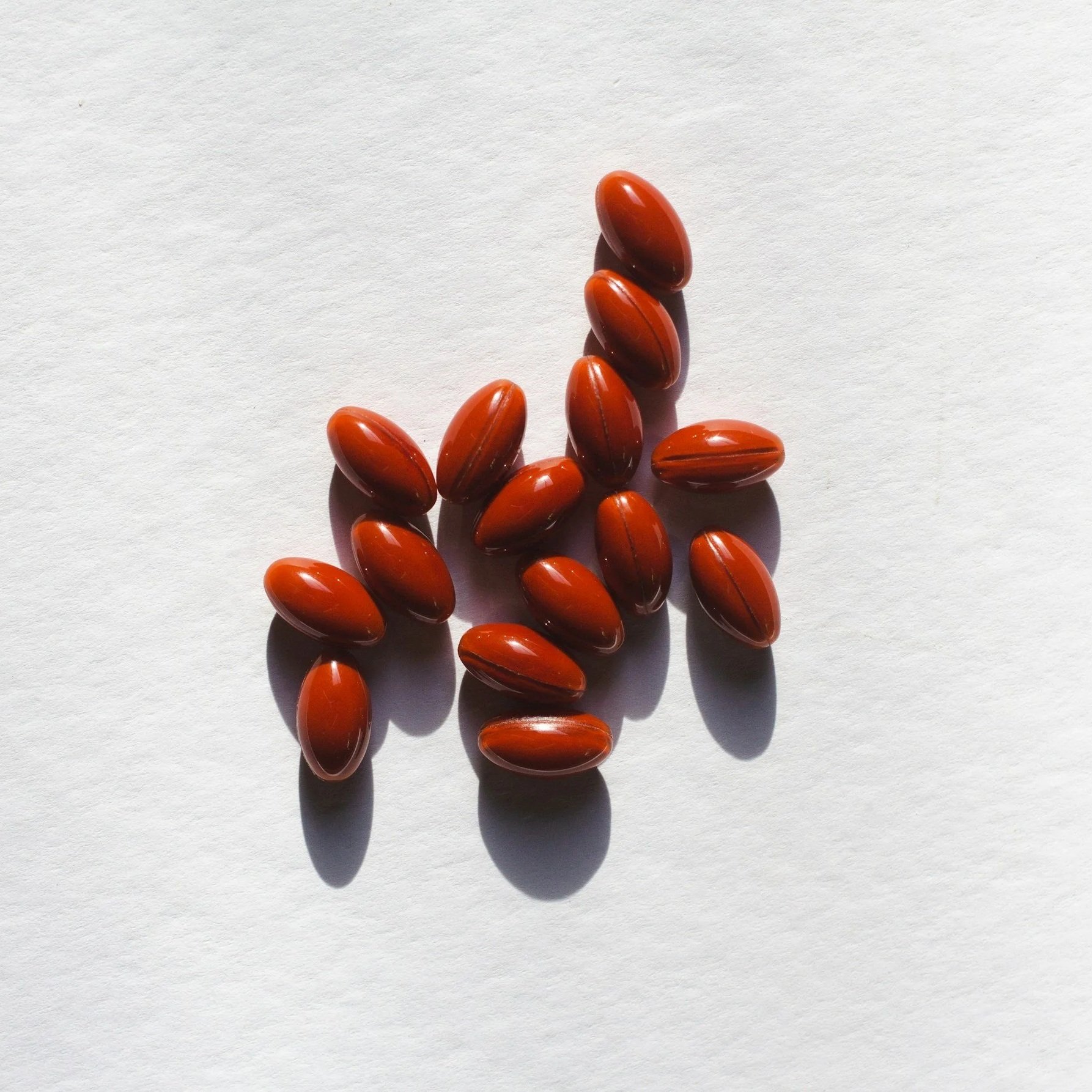
The best-selling CoQ10 in America is also the one buyers most often say is hard to swallow. Review analysis of the category leader shows large capsule size is the single most repeated criticism, with roughly a third of critical mentions about the pill being too big, and older buyers describing the softgels as a choking risk. At the same time, buyers shopping online have good reason to doubt potency, because published tests have repeatedly found unknown Amazon brands far below their label claim. A mini softgel (an oval around 10 mm long, holding 100 mg in a stable oil base) paired with a QR code on the bottle linking to that batch's independent potency result answers both objections at once, and it is something incumbents with long-established softgel sizes cannot copy quickly.
- Profit margin range: 50% to 54% gross, 30% to 36% net after ads and returns
- Typical factory cost: $2.40 per 120-count bottle (China OEM) or $4.10 (US contract manufacturer)
- Typical retail: $21.99 to $24.99 for 120 count
- Growth signal: the Amazon "coq10" top 50 grew from about 277,000 units in August 2025 to 339,000 units in July 2026, roughly 22% in a year
Opportunity 2: Premium ubiquinol for adults over 35, with a couples preconception pack
Opportunity Score: 8/10
Ubiquinol is the reduced form of CoQ10, and it sells at 2.5 to 3.5 times the price of standard CoQ10 per milligram. Two buyer groups pay that premium willingly: adults over 40 who read that absorption declines with age, and people preparing for IVF, where clinics and creators recommend CoQ10 for two to three months before a cycle. Small randomised trials suggest modest benefits for IVF patients with low ovarian reserve, while evidence for higher live birth rates is weak. That is exactly why a brand that sells a clean, Kaneka-sourced ubiquinol with honest education will outlast brands promising miracles. A his-and-hers 60-day pack fits how couples actually shop for preconception supplements.
- Profit margin range: 55% to 57% gross
- Typical factory cost: $7.80 for 60 x 200 mg ubiquinol softgels (US contract manufacturer)
- Typical retail: $39.99 for a single bottle, $69.99 for a couples duo
- Growth signal: fertility supplement searches on Amazon run at about 5,000 a week for "fertility supplements for women" alone, and the leading inositol product sells roughly 30,000 units a month, showing the size of the adjacent shopping basket
Opportunity 3: Pill-free CoQ10 (gummies and chewables) for pill-fatigued older buyers
Opportunity Score: 7/10
Many CoQ10 buyers already take five or more pills a day, often including statins and blood pressure medication. Gummies solve the swallowing problem without asking anyone to trust a new softgel size, and Qunol's own gummy line sells about 10,000 units a month at around $21. The catch is heat: gummies and softgels both suffer in summer transit, so packaging and shipping plans matter. Position this as a daily, easy format for heart and cellular energy support, never as a statin companion that treats muscle pain.
- Profit margin range: 46% to 50% gross
- Typical factory cost: $3.90 for 60 x 100 mg gummies (US contract manufacturer)
- Typical retail: $19.99 to $22.99
- Growth signal: gummy CoQ10 launches have spread across Amazon, Target and Walmart in 2026, with several new liquid-filled gummy brands entering at 100 mg to 400 mg per serving
Quick Action Items
Order softgel size samples before anything else. Ask three manufacturers for their smallest 100 mg CoQ10 softgel and have ten people over 60 try them. If more than one person struggles, keep looking. Show a coin-for-scale photo in your listing.
Publish potency by batch. Commission an independent ISO 17025 accredited lab to test every production lot for CoQ10 content, and link each lot number to its certificate through a QR code. Buyers in this category have been burned before, and visible proof converts.
Explain the two forms in one sentence on the front label. State plainly whether the product is ubiquinone or ubiquinol, how much of the active is in each softgel, and who each form suits. Confusion about the two forms shows up in reviews of even the best-selling products.
Plan for heat. Specify an opaque, light-blocking bottle, a desiccant, and summer shipping guidance. Melted and stuck-together softgels are a recurring complaint, and opened supplements usually cannot be returned, which turns a shipping problem into a one-star review.
Put timing advice on the bottle. Tell buyers to take CoQ10 with a meal that contains fat, and earlier in the day if they notice restlessness at night. This simple instruction heads off the two most common side-effect complaints: stomach upset and trouble sleeping.
Red Flags to Avoid
Heart disease, blood pressure, cholesterol or statin treatment claims. The FDA has sent warning letters to CoQ10 sellers over heart disease and heart failure claims, including the category's best-selling brand in 2020 and another ubiquinol seller in 2022. Structure and function language such as "supports heart health" and "supports cellular energy production" is the safe lane, with the required FDA disclaimer.
Infertility claims. Saying a product improves IVF outcomes, egg quality or pregnancy rates is a disease claim. Let the education speak about research in general terms and keep the label to supporting cellular energy and antioxidant activity.
Racing to the biggest number. Listings for 600 mg, 800 mg and even 1,000 mg "liposomal" softgels are multiplying. Most studied doses sit between 100 mg and 300 mg a day, and mega-dose claims invite potency testing you may not pass.
Cheap, untested finished goods. Amazon now routes every supplement listing through approved testing and certification providers. A product that fails or cannot document cGMP manufacturing risks suppression within months of launch.
Australia without an AUST L number. CoQ10 is a listed complementary medicine in Australia. Selling on Amazon Australia or to Australian pharmacies requires inclusion on the Australian Register of Therapeutic Goods, a local sponsor and TGA-compliant labelling.
Best Entry Point for New Sellers
Product recommendation: A 120-count bottle of 100 mg ubiquinone CoQ10 in mini softgels (around 10 mm), suspended in MCT or olive oil with natural vitamin E, in an opaque amber bottle with desiccant. Every lot independently tested for potency, with the result linked by QR code. Front label: "Small softgel. Lab-verified 100 mg. Take with food."
Primary marketplace: Amazon US
Secondary marketplace: Shopify DTC with subscribe-and-save, plus Walmart Marketplace
Price range: $21.99 to $24.99 for 120 count (four months at one a day)
Startup cost breakdown for a 2,000-unit first order with a US contract manufacturer:
| Line Item | Cost | Notes |
|---|---|---|
| Finished product (2,000 bottles) | $8,200 | $4.10 per 120-count bottle of 100 mg mini softgels, filled, capped and labelled |
| Amazon TIC verification and testing | $2,000 | Approved provider review of cGMP documents plus label and contaminant testing |
| Batch potency and identity testing | $600 | ISO 17025 lab assay for CoQ10 content, published by QR code |
| Label and regulatory review | $800 | Supplement Facts panel, structure and function claims and FDA notification |
| Packaging and label design | $600 | Amber bottle label, outer carton artwork and dosing insert |
| Domestic freight to fulfilment | $300 | Ground freight, no import duty on US-made goods |
| Product photography and video | $900 | Softgel size comparison, lifestyle set and two short videos |
| Brand registry, UPCs, trademark filing | $650 | Required for A+ content and brand protection |
| Launch advertising (8 weeks) | $3,000 | Sponsored products on size and testing keywords |
| Creator and reviewer seeding | $600 | Product for 40 to 50 healthy ageing and heart health creators |
| Samples, swallow panel and contingency | $850 | Three supplier sample rounds plus roughly 5% buffer |
| Total startup cost | $18,500 | Roughly $9.25 fully loaded per unit at 2,000 units |
Why this works:
Three things make the easy-swallow, lab-verified softgel the right first move. First, it competes on the two things the market leaders are weakest at (capsule size and visible proof of potency) rather than on price or absorption claims, where entrenched brands have tens of thousands of reviews. Second, it sits squarely in structure and function territory, so the listing never needs a heart, statin or fertility promise to sell. Third, a US contract manufacturer avoids the stacked China duty, satisfies Amazon's new testing workflow more easily, and lets you print "Made in USA", which matters in a category where buyers openly question where their supplements come from.
The obvious alternative, a $12.99 bottle of standard 100 mg CoQ10, fails on margin and on trust. Once referral and fulfilment fees are paid there is roughly $4.85 left before advertising, and it competes head-on with Nutricost, Doctor's Best and warehouse club brands.
2. Quick Data Scans: Marketplace Sales Opportunity Analysis
Legend
| Score Range | Meaning | Action |
|---|---|---|
| 8 to 10 | High demand, low to moderate competition | Enter now |
| 5 to 7 | Moderate demand, moderate competition | Test carefully |
| 1 to 4 | Low demand or oversaturated | Avoid |
Marketplace Opportunity Matrix
| Marketplace | Opportunity Score | Product Segment | Est. Weekly Unit Sales | Est. Weekly Revenue | Avg Price Range | Est. Net Margin |
|---|---|---|---|---|---|---|
| Amazon US | 9 | Easy-swallow lab-verified 100 mg softgels (120 count) | 300 to 650 | $6,600 to $16,200 | $21.99 to $24.99 | 30% to 36% |
| Amazon US | 8 | Kaneka ubiquinol 200 mg for adults over 35 | 120 to 300 | $4,400 to $12,900 | $36.99 to $42.99 | 34% to 40% |
| Amazon US | 7 | CoQ10 gummies and chewables | 150 to 350 | $3,000 to $8,000 | $19.99 to $22.99 | 26% to 32% |
| Amazon US | 3 | Commodity 100 mg ubiquinone | 200 to 500 | $2,400 to $7,500 | $11.99 to $14.99 | 6% to 12% |
| Shopify / DTC | 8 | Subscription CoQ10 and couples preconception packs (ubiquinol duo, refills) | 40 to 120 | $1,600 to $8,400 | $39 to $70 | 40% to 50% |
| Walmart Marketplace | 7 | Value 240-count and two-pack softgels | 80 to 200 | $2,400 to $7,000 | $29.99 to $34.99 | 26% to 33% |
| TikTok Shop | 6 | Gummies and ubiquinol with longevity content (category approval needed) | 60 to 200 | $1,300 to $6,000 | $21.99 to $29.99 | 22% to 30% |
| Target Plus | 6 | Gummies and small-softgel heart health range | 30 to 80 | $600 to $2,000 | $19.99 to $24.99 | 25% to 31% |
| iHerb (wholesale listing) | 6 | Ubiquinol and CoQ10 plus PQQ for international buyers | 50 to 150 | $550 to $2,700 | $11 to $18 wholesale | 20% to 28% |
| Fertility clinics and practitioners (B2B) | 7 | Clinic-labelled ubiquinol and couples packs | 4 to 12 cases of 12 | $1,050 to $5,000 | $22 to $35 wholesale per bottle | 35% to 45% |
| eBay US | 5 | Multi-packs and long-dated bundles | 30 to 90 | $650 to $3,150 | $21.99 to $34.99 | 25% to 32% |
| Amazon Australia | 5 | AUST L listed CoQ10 and ubiquinol (TGA listing required) | 30 to 90 | $700 to $3,500 | A$34.95 to A$59.95 | 22% to 30% |
| Amazon UK / EU | 5 | Small-softgel CoQ10 (strict food supplement claims rules) | 40 to 110 | $900 to $3,600 | £16.99 to £24.99 | 20% to 28% |
| Warehouse clubs | 3 | Large count value packs | Not accessible | n/a | $25 to $40 for 100 to 300 count | Under 10% for new brands |
| Temu / Shein | 2 | Ultra-cheap unbranded CoQ10 | High | Low | $4.99 to $9.99 | Under 5% |
| Facebook Marketplace | 1 | Local resale | Under 10 | Under $200 | $10 to $20 | Not viable for supplements |
Table Notes and Methodology
Unit and revenue estimates describe what a competent single seller with an established, well-reviewed listing can expect in an average non-peak week, not total marketplace volume. For context, the category leader sells roughly 9,000 units a week on Amazon US alone, and the top 50 "coq10" listings together averaged about 71,000 units a week across the twelve months to July 2026. January, February and the Prime Day and Black Friday windows typically run 20% to 40% above these ranges.
Margin figures are net after marketplace fees, payment processing, inbound freight, an assumed 2% to 4% return and damage rate (higher in summer), an annual testing and certification allocation, and advertising of 12% to 18% of revenue. Advertising costs run high because Qunol alone moved about 69% of top ten unit volume in July 2026, and its listings dominate sponsored placements on core terms.
Opportunity scores weigh four inputs equally: demand depth, competitive density, the seller's ability to differentiate on something other than price, and margin durability. Commodity ubiquinone scores low despite high volume because of review-rich incumbents at $12 to $19. Warehouse clubs score low because own-label products dominate. TikTok Shop scores in the middle because supplements need category approval and creator claims are hard to police, which puts the brand's compliance at risk. Australia scores lower than its demand suggests because of the cost and time of TGA listing and local sponsorship.
3. Deeper Context: Market Landscape and Buyer Intelligence
A. Market Overview
Category Definition and Size
Coenzyme Q10 is a fat-soluble compound the body uses to make cellular energy in the mitochondria and as an antioxidant. Natural levels fall with age and can fall further in people taking statin medication, which is the core of the category's appeal. It is sold in two chemical forms and six main formats:
- Ubiquinone softgels, the standard oxidised form, usually 100 mg to 400 mg in an oil base. The highest-volume format.
- Ubiquinol softgels, the reduced form, dominated by Japanese raw material and sold at a premium on absorption claims.
- Enhanced-absorption blends, standard CoQ10 combined with solubilisers, black pepper extract or emulsifiers, marketed as "3x" or "8x" better absorbed.
- Gummies and chewables, a fast-growing pill-free format, typically 100 mg to 200 mg.
- Combination formulas, pairing CoQ10 with PQQ, shilajit, omega-3, red yeast rice, NAD precursors or glutathione for "longevity" and heart health positioning.
- Liquids and liposomal formats, including single-serve sachets, mostly in the practitioner and premium DTC channels.
Three research houses put the global market at $789 million to $808.5 million in 2025. DataM Intelligence projects $1.90 billion by 2033 at an 11.4% CAGR, Astute Analytica projects $1.79 billion by 2033 at 9.3%, and Persistence Market Research projects $1.64 billion by 2032 at 11%. All three name dietary supplements as the dominant application, ubiquinone as the leading product type and Asia-Pacific as the fastest-growing region, driven by ageing populations and preventive health spending.
On Amazon US, the top 50 listings for "coq10" sold roughly 339,000 units in July 2026 for about $10.1 million, at an average price of $31.49. The twelve months to July 2026 totalled about 3.7 million units and $108 million, an average of roughly 308,000 units and $9 million a month. Demand dipped to about 196,000 units in October 2025 and peaked at about 369,000 units in June 2026, so the category is far from flat.
Product Evolution and Recent Trends
The category has moved through three phases.
Phase one, the 1990s to 2010, was the cardiology era. CoQ10 was sold as a heart health nutrient through pharmacies and health food stores, and Japanese fermentation made pure CoQ10 affordable. Raw material prices collapsed as Chinese supply came online in the 2000s.
Phase two, 2010 to 2022, was the absorption arms race. Ubiquinol arrived as a premium form, brands competed on "times better absorbed" claims, and Qunol built a dominant position through mass retail and television advertising. Online, unknown brands flooded Amazon, and industry testing exposed many that contained a fraction of their labelled dose.
Phase three, 2023 to 2026, is the longevity and fertility crossover. CoQ10 is now sold alongside NAD precursors, PQQ and urolithin in "mitochondrial health" stacks, and it has become a staple of preconception and IVF preparation content. At the same time, marketplaces are finally enforcing quality: Amazon expanded third-party cGMP verification to every supplement seller from January 2026.
Four trends define 2026:
Trust is the new battleground. Independent testing programmes are multiplying, and one 2025 to 2026 testing series found roughly half of 44 best-selling Amazon supplements failed their label claims. CoQ10 has a long history of such failures, so verified potency is a real buying factor.
Form factor fatigue. Older buyers taking several medications want fewer, smaller or pill-free doses. Gummies, chewables and smaller softgels are gaining shelf space.
Fertility as a second engine. CoQ10 is one of the most searched fertility supplements, pushed by creators sharing "egg quality stacks". Clinicians caution that the evidence is limited to modest benefits in specific IVF patients.
Claims scrutiny. The FDA has repeatedly warned CoQ10 sellers about heart disease claims, and European atherosclerosis guidance does not recommend CoQ10 for statin muscle symptoms. Brands that stay inside structure and function language are the ones that keep their listings.
Leading Brands and Market Disruptors
Qunol is the category's centre of gravity. Its Ultra CoQ10 100 mg softgels lead Amazon at an estimated 40,000 units a month near $21 to $26 for 90 count, and the brand moved about 110,000 units across five ASINs in the July 2026 top ten. Its weakness is the one buyers repeat most: large softgels. It received an FDA warning letter in 2020 over heart disease claims on its website.
Doctor's Best sells a 100 mg CoQ10 with BioPerine at about $20.99 for 120 softgels, with more than 34,000 reviews and around 10,000 units a month, plus a Kaneka ubiquinol line.
THORNE sells both ubiquinone and ubiquinol at premium prices and moved about 20,000 units in the July 2026 top ten, riding practitioner trust and third-party certification.
Life Extension owns the premium ubiquinol space with Super Ubiquinol, including versions combined with PQQ and shilajit, selling around 4,000 units a month on its 200 mg line.
Nature Made, Nutricost, Sports Research, NOW and Jarrow form the mid-market, each with large review bases and prices of $15 to $30. Nutricost sells 120 servings near $18.95 and Sports Research sells more than 10,000 units a month of its plant-based softgel.
Kirkland Signature and other warehouse brands anchor the value end with 300 mg softgels in multi-packs.
Gummy entrants including Qunol's own gummies (about 10,000 units a month near $21), Carlyle and a stream of new liquid-filled gummy brands are pulling pill-averse buyers.
Longevity brands such as Cymbiotika fold CoQ10 into liposomal glutathione and PQQ formulas priced above $60.
Private label opportunity assessment: Open, with conditions. Chinese manufacturers dominate fermentation of standard CoQ10 and offer private label softgels from as low as 10 pieces, while Japan's Kaneka holds the leading position in branded ubiquinol. US contract manufacturers buy that raw material and fill softgels domestically. The barriers are no longer formulation or technology. They are testing, documentation, claims discipline and the review gap against Qunol.
Price Tiers and Popular Brands
| Tier | Price Range | Representative Products | Reseller Margin | Sourcing Strategy |
|---|---|---|---|---|
| Tier 1: Commodity ubiquinone | $10 to $15 | 100 mg, 60 to 120 count (mostly unknown brands near $10 to $14, plus bulk-count listings) | 6% to 15% | Avoid as a lead product. Potency doubts concentrate here |
| Tier 2: Mid-market branded | $15 to $28 | 100 mg to 200 mg softgels (Doctor's Best around $20.99, Qunol Ultra 90 count around $21 to $26) | 25% to 35% | US contract manufacturing with a clear differentiator such as size or testing |
| Tier 3: Gummies and pill-free | $18 to $30 | 100 mg to 200 mg gummies (Qunol gummies around $21.38, Carlyle 140 count around $29.99) | 25% to 32% | US gummy specialists, heat-stable packaging |
| Tier 4: Ubiquinol premium | $30 to $50 | 100 mg to 200 mg ubiquinol (Qunol Ultra 200 mg around $31.52, Life Extension Super Ubiquinol) | 34% to 42% | Kaneka-sourced, US-filled, honest education |
| Tier 5: Longevity and practitioner | $50 to $100+ | Liposomal and combination formulas (Cymbiotika around $61.60, practitioner ubiquinol 60 count near $95) | 40% to 50% DTC | DTC and clinic channels, strict claims review |
B. Buyer Persona Deep Dive
Persona 1: The Statin-Taking Retiree
Demographics: Age 58 to 80. Roughly 55% male, 45% female. Retired or semi-retired, on cholesterol medication and often two or three other prescriptions.
Purchase motivations, ranked: 1) Replacing CoQ10 that they have read statins can lower. 2) Feeling less achy and tired. 3) A product their pharmacist or doctor has heard of.
Price sensitivity: Moderate. Sweet spot $18 to $30 for a two to three month supply.
Pain points:
- Softgels too large to swallow alongside other pills.
- Confusing absorption claims and two chemical names on the shelf.
- Not knowing whether it is safe with their other medications, especially blood thinners.
- Mixed results, because research on statin muscle aches is genuinely mixed.
What they are solving for: Staying on their medication comfortably and feeling they are doing something proactive.
Decision factors: Pill size, trusted brand or pharmacist mention, clear dose and large-print directions.
Brand loyalty: Very high once a product works and is easy to take.
Persona 2: The Midlife Heart-Health Preventer
Demographics: Age 45 to 64. Roughly 50% male, 50% female. Household income $70,000 to $160,000. Has had a cardiology scare in the family or a health check that raised a flag.
Purchase motivations, ranked: 1) General heart and energy support. 2) Value per month. 3) Quality signals such as third-party testing.
Price sensitivity: Moderate. Sweet spot $20 to $35.
Pain points:
- Not knowing which brands actually contain what the label claims.
- Choosing between ubiquinone and ubiquinol without a clear explanation.
- Stomach upset when taken on an empty stomach.
- Restlessness when taken late in the day.
What they are solving for: A simple, credible daily habit.
Decision factors: Testing evidence, reviews, form explanation and subscribe-and-save pricing.
Brand loyalty: Moderate to high.
Persona 3: The Preconception Planner
Demographics: Age 32 to 43. Predominantly female. Household income $90,000 to $220,000. Planning IVF or trying to conceive, often following fertility creators and clinic protocols.
Purchase motivations, ranked: 1) Following a clinician or protocol recommendation. 2) Ubiquinol form and dose. 3) Quality and purity, because she is careful about everything she takes.
Price sensitivity: Low. Sweet spot $35 to $70 a month, with two to three months bought at once.
Pain points:
- Taking three to six softgels a day to reach studied doses.
- Overwhelming, conflicting "egg quality stack" advice online.
- Products that overpromise outcomes and make her feel targeted.
- Not knowing which form or dose her clinic actually means.
What they are solving for: Doing everything reasonable before a cycle without wasting money.
Decision factors: Clinician mention, ubiquinol from a recognised source, dose per softgel and honest tone.
Brand loyalty: High for the duration of treatment, typically three to twelve months.
Persona 4: The Supportive Partner
Demographics: Age 32 to 45. Predominantly male. Partner of Persona 3, often shopping for himself after a clinic suggestion.
Purchase motivations, ranked: 1) Contributing to the couple's preparation. 2) A simple daily routine. 3) Buying once, together.
Price sensitivity: Moderate. Prefers bundles over separate purchases.
Pain points:
- Feeling the market is built only for women.
- Too many separate products to research.
- Large, multi-softgel daily doses.
What they are solving for: Doing his part without a research project.
Decision factors: Couples packs, plain-English labels and subscription convenience.
Brand loyalty: Moderate, tied to the couple's routine.
Persona 5: The Pill-Fatigued Senior and Caregiver Buyer
Demographics: Age 70 and over, or an adult child aged 40 to 60 buying on their behalf. Takes five or more pills daily.
Purchase motivations, ranked: 1) Easy to take. 2) No interactions or surprises. 3) Clear, readable packaging.
Price sensitivity: Moderate. Sweet spot $18 to $28.
Pain points:
- Choking risk and gagging on large softgels.
- Small print and child-resistant caps that are hard to open.
- Gummies with too much sugar for diabetic parents.
- Softgels arriving melted or stuck together.
What they are solving for: Keeping a parent's routine simple and safe.
Decision factors: Size, format, easy-open caps, sugar content and pharmacist-friendly labelling.
Brand loyalty: Very high.
Persona 6: The Longevity Optimiser
Demographics: Age 30 to 55. Roughly 65% male, 35% female. Follows longevity podcasts, tracks biomarkers and wears a fitness tracker.
Purchase motivations, ranked: 1) Mitochondrial health stacks. 2) Bioavailability and sourcing. 3) Transparency on dose and testing.
Price sensitivity: Low. Sweet spot $30 to $70.
Pain points:
- Proprietary blends that hide doses.
- Absorption marketing without data.
- Low-quality raw material in cheap combination products.
- Having to buy CoQ10, PQQ and other ingredients separately.
What they are solving for: A defensible, data-backed stack.
Decision factors: Named raw material sources, certificates of analysis and clean excipients.
Brand loyalty: Moderate. Will switch for better data.
Persona 7: The Practitioner and Clinic Buyer
Demographics: Fertility clinics, integrative doctors, naturopaths, cardiac rehabilitation programmes and pharmacies.
Purchase motivations, ranked: 1) Reliable quality documentation. 2) Consistent supply and batch testing. 3) Patient-friendly formats and margins.
Price sensitivity: Low per unit, focused on wholesale terms.
Pain points:
- Patients buying unknown brands online that may be underdosed.
- No clinic-friendly packaging or patient education material.
- Minimum orders that do not suit small clinics.
What they are solving for: Recommending something they can stand behind.
Decision factors: Certificates of analysis, raw material provenance, wholesale pricing and patient handouts.
Brand loyalty: Very high once onboarded.
The Pill-Fatigued Senior and the Preconception Planner are the most under-served personas in 2026. Both care far more about format, dose clarity and trust than about headline price, and both are poorly served by large softgels and absorption slogans.
C. Keyword and Search Trends
Search Volume and Term Structure
Search behaviour divides into four intent classes, and profitability runs roughly inverse to volume.
Class 1: Category discovery. Terms like coq10, coenzyme q10 and coq10 supplement. "Coenzyme q10" alone drew about 4,800 weekly Amazon US searches in mid-July 2026. Highest volume and most expensive advertising, dominated by Qunol.
Class 2: Dose and form. Terms like coq10 200mg, coq10 300mg, ubiquinol 100mg and ubiquinol coq10. Third-party keyword tools show "coq10 200mg" at around 14,000 monthly searches. Buyers here have already decided and compare price per milligram.
Class 3: Problem and format. Terms like small coq10 softgels, easy to swallow coq10, coq10 gummies, coq10 chewable and third party tested coq10. Lower volume, the highest conversion and the least competition. This is where independent sellers should concentrate.
Class 4: Use case. Terms like coq10 for fertility, coq10 for men, coq10 with statins and coq10 with pqq. Surprisingly small on Amazon ("coq10 for fertility" ran at about 200 weekly searches in June 2026) because buyers search the broader fertility terms instead, where prenatal vitamins and inositol dominate. The use-case demand is better captured through content, DTC and clinics than through Amazon keywords.
Seasonal Demand Patterns
| Window | Dates | Relative Demand | Demographic Skew | Seller Action |
|---|---|---|---|---|
| New year reset | January | Very high | Midlife preventers, longevity optimisers | Full stock by mid-December. Lead with daily habit and testing proof |
| Heart health month | February | High | Statin users, midlife preventers | Heart health content within structure and function limits |
| Spring planning | March to May | Moderate | Preconception planners and partners | Launch couples packs and clinic outreach |
| Prime Day surge | June to July | High | Deal-driven repeat buyers | Stock up and protect against heat damage in transit |
| Late summer lull | August to October | Lowest | Subscribers only | Push subscribe-and-save and protect margin |
| Black Friday to Christmas | November to December | High | Stock-up buyers, caregivers | Multi-packs and 240-count value sizes rather than deep discounts |
Amazon US "coq10" top 50 sales ran from a low of about 196,000 units in October 2025 to a high of about 369,000 units in June 2026, so the swing between the slowest and busiest months is close to 1.9 times. In Australia, demand is less seasonal, but local pharmacy promotions cluster around winter.
Rising and Declining Queries
| Direction | Query Theme | Est. YoY Change | Interpretation |
|---|---|---|---|
| Rising | CoQ10 gummies | +40% | Pill fatigue. Strongest growth among older buyers and caregivers |
| Rising | Ubiquinol for fertility and egg quality | +35% | Creator and clinic driven. Demand flows mostly through broader fertility terms |
| Rising | CoQ10 with PQQ | +30% | Longevity stacking. Combination products are crowding in |
| Rising | Third party tested CoQ10 | +30% | Trust gap after repeated testing exposes |
| Rising | Small or easy to swallow CoQ10 | +25% | Direct expression of the category's top complaint |
| Rising | Liposomal CoQ10 | +20% | Absorption marketing moving to new formats |
| Steady | CoQ10 200mg and 300mg | +5% | Evergreen dose searches, price-per-milligram shoppers |
| Declining | Red yeast rice with CoQ10 | -10% | Ingredient scrutiny after high-profile red yeast rice safety recalls in 2024 |
| Declining | CoQ10 chewable tablets | -10% | Losing share to gummies |
| Declining | Bulk CoQ10 powder | -12% | Hobbyist and DIY capsule buying fading as finished products improve |
Query direction and estimated change reflect relative interest signals across marketplace and web search tools and should be treated as directional rather than exact.
Consumer Insights from Community Forums
Analysis of buyer reviews on best-selling marketplace listings, pharmacy and warehouse club review pages, independent testing reports, and discussion in communities such as r/Supplements, r/IVF, r/TryingForABaby, r/Cholesterol, r/longevity and patient support forums surfaces a consistent complaint hierarchy. These are the twelve themes that recur most often:
Softgels too big to swallow. By far the most repeated complaint on the category leader, with reviewers calling the capsule huge, a choking risk and the reason they returned the product.
"Does it actually contain CoQ10?" Buyers know supplement testing has exposed underdosed products, and CoQ10 has one of the longest track records of failures among online brands.
Ubiquinol versus ubiquinone confusion. Reviewers ask which form they bought and why it is supposedly better, and even popular products draw complaints about confusing labels.
"I felt nothing." CoQ10 is not a stimulant, and buyers expecting an immediate energy boost are disappointed within weeks.
Melted or stuck-together softgels. Summer deliveries arrive soft, leaking or fused, and opened supplements usually cannot be returned.
Stomach upset. Nausea, heartburn and loose stools, mostly when taken without food.
Restlessness or poor sleep. Some buyers feel wired when taking CoQ10 late in the day.
Too many softgels a day. Fertility and statin users following higher-dose protocols end up taking three to six softgels daily.
Price of ubiquinol. Buyers question whether the premium is worth it, particularly for 30-count bottles.
Unwanted excipients. Complaints about soy, annatto colouring, polysorbate 80 and gelatin, plus requests for vegetarian softgels.
Clear bottles and short dates. CoQ10 is light and heat sensitive, and buyers notice clear packaging and expiry dates that are only months away.
Medication worries. Uncertainty about taking CoQ10 with blood thinners and blood pressure medication, with little guidance on the label.
What these complaints tell a seller:
This category's unsolved problems are not about demand. They are about format, proof and plain language. Buyers want a CoQ10 they can swallow, evidence that the dose is real, a one-line explanation of which form they are buying, packaging that survives the trip and honest guidance on how and when to take it. Every one of those can be specified, tested, photographed and guaranteed. The incumbents compete on absorption slogans and advertising weight. The opportunity is to compete on ease and trust.
4. Tools and Resources: Sourcing Decision Framework
Private Label Sourcing Calculator
| Product Type | Factory Price | MOQ | Shipping | Duties | Landed Cost | Amazon Fees | Total Cost | Retail Price | Gross Margin |
|---|---|---|---|---|---|---|---|---|---|
| 100 mg ubiquinone mini softgels, 120 count (China OEM) | $2.40 | 1,000 | $0.30 | $1.06 | $3.76 | $6.85 | $10.61 | $22.99 | 53.8% |
| 100 mg ubiquinone mini softgels, 120 count (US contract manufacturer) | $4.10 | 2,000 | $0.20 | $0.00 | $4.30 | $6.85 | $11.15 | $22.99 | 51.5% |
| 200 mg Kaneka ubiquinol softgels, 60 count (US contract manufacturer) | $7.80 | 2,000 | $0.20 | $0.00 | $8.00 | $9.40 | $17.40 | $39.99 | 56.5% |
| 300 mg ubiquinone softgels, 120 count (China OEM) | $3.60 | 1,000 | $0.35 | $1.58 | $5.53 | $7.70 | $13.23 | $27.99 | 52.7% |
| 100 mg CoQ10 gummies, 60 count (US contract manufacturer) | $3.90 | 3,000 | $0.45 | $0.00 | $4.35 | $7.00 | $11.35 | $21.99 | 48.4% |
| 100 mg ubiquinol plus PQQ softgels, 30 count (US contract manufacturer) | $6.20 | 2,000 | $0.20 | $0.00 | $6.40 | $8.65 | $15.05 | $34.99 | 57.0% |
| Couples preconception duo, 2 x 60 count ubiquinol (US contract manufacturer) | $15.20 | 1,000 | $0.40 | $0.00 | $15.60 | $15.10 | $30.70 | $69.99 | 56.1% |
| Commodity 100 mg ubiquinone, 120 count (China OEM) | $1.80 | 1,000 | $0.30 | $0.79 | $2.89 | $5.25 | $8.14 | $12.99 | 37.3% |
Standard Assumptions Used
Factory price methodology. Factory prices are per finished, labelled bottle. Chinese private label listings for CoQ10 and ubiquinol softgels currently run from about $2 to $3 per unit for 200 mg ubiquinol at low minimums, with Indian manufacturers quoting 100 mg chewables near $1.92 to $2.11. Bulk ubiquinol powder trades around $560 to $620 per kilogram from Chinese suppliers, while patented Japanese ubiquinol sells at a substantial premium, which is why ubiquinol products retail at 2.5 to 3.5 times standard CoQ10 per milligram. US contract manufacturer pricing is an estimate for stock mini softgel and gummy formulas at the stated runs and should be confirmed by quote.
MOQ context. Trading companies list stock CoQ10 softgels from as few as 5 to 10 pieces, useful for size testing but not for a branded launch. Manufacturer MOQs for private label typically run 1,000 to 5,000 bottles, and gummy lines usually start higher because of mould and batch sizes. Custom softgel sizes, vegetarian shells and custom bottles push minimums toward 5,000 to 10,000 units.
Shipping assumptions. Sea freight LCL from South China to a US fulfilment centre including drayage, or ground freight for US-made goods. Softgels and gummies are heat sensitive, so avoid peak summer container transits without temperature protection and request summer packaging guidance from your fulfilment provider. Gummies carry a higher shipping allowance for insulated cartons.
Duty rates. Finished dietary supplements in softgel, tablet and gummy form generally classify under HTS 2106.90.99, with a general rate in the low to mid single digits. Goods of Chinese origin can also attract Section 301 duties of 7.5% to 25% depending on the list, plus the 12.5% Section 301 forced labour duty in force since 24 July 2026, for an effective stack of roughly 30% to 44%. The calculator conservatively applies 44% to Chinese factory value. Raw CoQ10 imported by a US manufacturer is a small share of a finished bottle's cost, so domestic filling largely sidesteps the stack. US tariff treatment of Chinese goods changed three times between February and July 2026, and the newest duty is being challenged in court, so confirm the current rate and classification with a licensed customs broker before every order.
Fee breakdown. Amazon fees combine a 15% referral fee for health and personal care items priced above $10 with an estimated FBA fulfilment fee of $3.30 to $4.60 by size and weight tier. Products at $10 or under qualify for a lower 8% referral fee, but no credible tested CoQ10 can be sold profitably at that price.
Margin notes. Margins shown are gross after landed cost and marketplace fees only. They do not deduct advertising (12% to 18% of revenue at launch, 7% to 11% at steady state), annual testing and certification (roughly $1,500 to $2,500 per ASIN per year spread across volume) or returns and damage (2% to 4%). A 52% gross margin therefore becomes roughly 30% to 36% net contribution in a mature account. The commodity line shows why cheap CoQ10 is a trap: under $4.90 profit per unit before advertising, in the tier where buyer trust is lowest.
Quality and compliance. In the US, dietary supplements must be made under cGMP rules (21 CFR 111), carry a compliant Supplement Facts panel, use only structure and function claims with the FDA disclaimer, and be notified to the FDA within 30 days of first marketing a structure and function claim. Amazon now requires all supplement sellers to verify cGMP compliance through an approved testing, inspection and certification provider, with sellers typically given 90 days once notified. In Australia, CoQ10 products must be listed on the Australian Register of Therapeutic Goods with an AUST L number before supply. In the UK and EU, food supplement rules allow only authorised health claims, and none are currently authorised for CoQ10, so listings must stay descriptive.
Additional Strategy Tables
Strategy A: Bundle Architecture and Attach Rate
| Bundle | Contents | Target Persona | Bundle Price | Sum of Parts | Est. Gross Margin |
|---|---|---|---|---|---|
| Four-Month Easy-Swallow Pack | Two 120-count mini softgel bottles plus pill organiser | Statin-Taking Retiree | $39.99 | $49.97 | 52% |
| Couples Preconception Duo | Two 60-count ubiquinol 200 mg bottles, his and hers labels, 90-day guide card | Preconception Planner and Partner | $69.99 | $79.98 | 56% |
| Morning Heart Routine | CoQ10 120 count plus omega-3 softgels, both small format | Midlife Heart-Health Preventer | $44.99 | $52.98 | 50% |
| Pill-Free Duo | Two 60-count low-sugar CoQ10 gummy jars, easy-open caps | Pill-Fatigued Senior and Caregiver | $37.99 | $43.98 | 47% |
| Mitochondria Stack | Ubiquinol plus PQQ 30 count with magnesium glycinate | Longevity Optimiser | $54.99 | $64.97 | 55% |
| Clinic Starter Case | 24 ubiquinol bottles plus patient education cards | Practitioner and Clinic Buyer | $540.00 | $959.76 retail value | 45% to clinic margin |
Strategy B: Seasonal Inventory Planning Calendar
| Month | Inventory Action | Marketing Focus | Notes |
|---|---|---|---|
| September to October | Place main order for January and February demand | Build content library, education on forms and testing | Allow 10 to 14 weeks for production, testing and certification |
| November | Receive stock, ship to fulfilment centres | Black Friday multi-packs | Use bundles rather than deep discounts |
| December | New year stock in place by mid-month | Caregiver gifting, then reset messaging from Boxing Day | Fulfilment centre receiving slows in December |
| January to February | Reorder fast movers | New year habits and heart health month | Highest demand window for core CoQ10 |
| March to April | Build ubiquinol and couples pack inventory | Preconception content and clinic outreach | Annual TIC testing renewal if due |
| May to June | Prime Day stock and heat-safe packaging | Deal planning and subscribe-and-save push | Avoid inbound containers in peak heat without protection |
| July to August | Review sell-through, plan next formula tweaks | Subscriber retention | Use review data to refine softgel size and labels |
Sourcing Methodology Notes
- Shortlist manufacturers, not trading companies. Choose cGMP-registered facilities that can provide raw material certificates, finished product certificates of analysis and audit reports your Amazon testing provider will accept.
- Name the raw material in writing. Ask for the CoQ10 or ubiquinol source, form, purity and the all-trans isomer specification, and get it on the certificate of analysis. If you claim Kaneka ubiquinol, get the licensing paperwork.
- Run a swallow panel. Before approving a softgel, give samples to ten people over 60. Reject any size that more than one person finds difficult.
- Test potency yourself. Send retained samples from every lot to an ISO 17025 accredited lab, and retest at six and twelve months to confirm stability through shelf life.
- Heat-test shipping samples. Leave sealed bottles in a warm car for a week, then check for leaking, fusing and colour change. Specify amber or opaque bottles and a desiccant.
- Get a US quote alongside any Chinese quote. With a roughly 30% to 44% duty stack on Chinese finished supplements, domestic filling of imported raw material often costs within cents of a Chinese finished bottle, with faster turnaround and easier Amazon documentation.
- Plan for Australia separately. Budget for an Australian sponsor, AUST L listing and TGA-compliant labels if you intend to sell there, or partner with an Australian manufacturer that already holds listings.
Key Takeaways
- Demand is large, steady and growing. About $9 million a month flows through the top 50 Amazon listings alone, and the global market is forecast to roughly double by the early 2030s.
- Ease is the product. A softgel people can actually swallow answers the most repeated complaint against the category leader.
- Proof beats promises. Visible, batch-level potency testing turns the category's history of underdosed products into your advantage.
- Claims discipline is a moat. Heart, statin and fertility outcome claims attract FDA warning letters and listing suppression. Structure and function language keeps you selling.
- Tariffs favour domestic filling. With Chinese finished supplements facing a roughly 30% to 44% stack, US contract manufacturing is the default for small runs.
Sources and References
DataM Intelligence, Coenzyme Q10 Market forecast 2026 to 2033, February 2026
Astute Analytica, Coenzyme Q10 Market forecast 2025 to 2033
Persistence Market Research, Coenzyme Q10 Market to 2032, March 2026
ASInsight, Coq10 Market Report, Amazon US sales and brand concentration, July 2026
ASInsight, Best Selling CoQ10, CoQ10 300mg, Ubiquinol and CoQ10 for Fertility rankings, June to July 2026
ShopSavvy and Kimola, review analysis of Qunol Ultra CoQ10 100 mg
Sam's Club and CVS customer reviews of Qunol Ultra CoQ10
NOW Foods, CoQ10 potency testing of products purchased on Amazon, 2020 and 2022
SuppCo, TESTED retrospective on 44 Amazon supplements, and NutraIngredients coverage, March 2026
ConsumerLab, CoQ10 and Ubiquinol Supplements Review
Epstein Becker Green and Certified Laboratories, Amazon dietary supplement TIC requirements, 2026
US FDA warning letters to Quten Research Institute (2020) and Anabolic Laboratories (2022)
Journal of Nutritional Science, CoQ10 and statin-associated muscle symptoms meta-analysis, October 2025
Atherosclerosis, CoQ10 and statin-associated myalgia meta-analysis, 2020
NHS Specialist Pharmacy Service, coenzyme Q10 for statin-induced muscle symptoms
Acibadem International and Ubie Health, CoQ10 and egg quality evidence reviews, 2026
Guidechem and IndexBox, CoQ10 and ubiquinol raw material supply and pricing, 2026
HTSbase, Portless and EximAgent, Section 301 tariffs on Chinese goods in 2026
Greenwich Mercantile, HTS codes for dietary supplements
Therapeutic Goods Administration, About listed medicines
Community discussion analysis across r/Supplements, r/IVF, r/TryingForABaby, r/Cholesterol, r/longevity and patient support forums
Data Collection Methodology: Market sizing draws on three published third-party reports specific to coenzyme Q10, which differ in base year and growth assumptions, so ranges are shown rather than a single figure. Marketplace sales estimates use third-party Amazon tracking data from March to July 2026 and should be treated as directional, given month-on-month swings of 50% to 100% recorded for individual listings. Complaint themes were derived by aggregating recurring issues across marketplace and retailer reviews, independent testing reports, expert commentary and public community discussion. Sourcing figures reflect published supplier ranges rather than negotiated quotes and should be treated as a planning baseline.
Seasonal Adjustment Notes: Weekly figures in the marketplace table describe an average non-peak week. January to February and the Prime Day and Black Friday windows typically run 20% to 40% above stated ranges, and August to October can run 15% to 30% below. Sellers modelling annual revenue should apply a seasonal curve rather than multiplying weekly figures by 52. Duty rates for Chinese-origin goods have changed repeatedly in 2026 and should be verified with a licensed customs broker at the time of each order. Nothing in this guide is medical, legal or regulatory advice, and product labels and claims should be reviewed by a qualified regulatory professional before launch.