
Key Insights at a Glance
- Dumbphone and digital-detox device sales rose roughly 25% in 2025, and the broader feature phone market is projected to climb from $52.4 billion in 2025 to $78.9 billion by 2034 (4.7% CAGR), giving this category real, sustained tailwind rather than a short-lived fad.
- The fastest, lowest-risk entry point for sellers is not a phone at all. It is privacy-phone accessories (Faraday pouches, cases, digital detox starter kits) that require no FCC or carrier certification and carry 50%+ margins.
- Manufacturing and selling an actual private-label handset is a real but structurally harder opportunity than most categories in this series. FCC/PTCRB certification, carrier VoLTE approval (especially Verizon), and IMEI registration add cost and risk that accessory sellers can skip entirely.
- The single most repeated buyer complaint across Reddit's dumbphone communities is not "boring" or "too basic," it is broken group texting, unreliable MMS, and carriers (Verizon in particular) that were never actually certified to work with the phone. Sellers who solve or disclose this openly outperform.
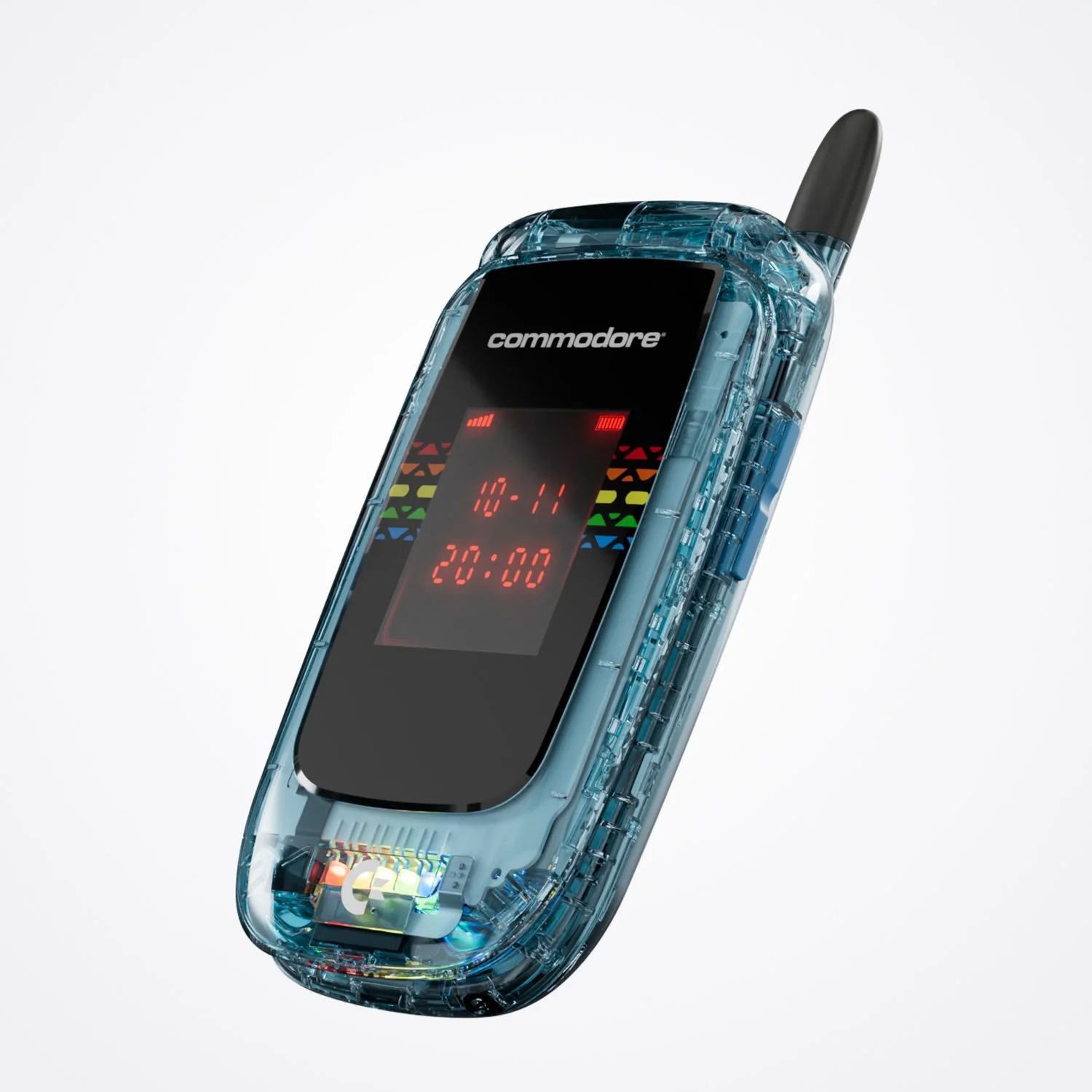
- Three brands anchor buyer awareness right now: Commodore's Callback 8020 (retro flip phone, Linux-based, $399-$640), Mudita's Kompakt (E-ink, de-Googled Android, $369-$439), and Light Phone III ($699-$799, premium minimalist). Private label sellers win by serving these owners with accessories, not by competing head-on with the handsets.
- Best entry point: a Digital Detox Starter Kit (signal-blocking pouch, phone sleeve, printed guide) priced at $34.99 to $44.99, launched on TikTok Shop and Shopify DTC, with an estimated startup cost of roughly $3,725 to $5,800.
- Seasonal demand clusters around three windows: the January "digital reset" surge, August/September back-to-school phone-ban compliance buying, and November/December nostalgia gifting.
1. Actionable Insights First: Executive Opportunity Summary
Top 3 Selling Opportunities Right Now
1. Privacy and digital-detox phone accessories (Faraday pouches, cases, sleeves) on TikTok Shop and Etsy Opportunity Score: 9/10. Profit margin range: 50-58%. Dumbphone-adjacent sales grew approximately 25% year over year in 2025 with reporting suggesting continued momentum into 2026, and accessory demand tracks directly with every new handset launch (Commodore, Mudita, Light Phone) without requiring the seller to touch radio hardware at all.
2. Digital Detox Starter Kits bundling accessories for the "New Year reset" and back-to-school school-ban compliance windows Opportunity Score: 9/10. Profit margin range: approximately 50%. Schools and parents are an underserved, fast-growing demand vertical as more US states and districts restrict phones in classrooms, and this buyer does not need to be convinced a full smartphone replacement is right, only that the kit helps.
3. White-label branded basic 4G feature phones sold DTC and through Amazon Business for schools and employers Opportunity Score: 6/10 (moderate, certification-gated). Profit margin range: 55-65% before amortizing certification costs. The feature phone market is projected to grow from $52.4 billion in 2025 to $78.9 billion by 2034, and sellers who explicitly solve the carrier-compatibility and MMS complaints that dominate community forums have real differentiation room against Nokia, TCL, and generic imports.
Quick Action Items
- Source Faraday/RFID signal-blocking pouches and E-ink-phone-compatible cases from Shenzhen ODMs now, at MOQs as low as 250-500 units, ahead of the Q4 gifting season.
- Time inventory and ad spend around two windows: the January digital-detox resolution surge and the August-September school-phone-ban compliance window.
- Launch starter kits on TikTok Shop and Shopify DTC first, where opportunity scores are highest, then expand to Amazon and Etsy once reviews accumulate.
- Bundle and market accessories explicitly as "switcher kits" compatible with named premium brands (Light Phone, Mudita Kompakt, Punkt MP02, Commodore Callback) to capture their existing, already-warm search demand.
- In listing photography and copy, lead with the specific complaint you have fixed (for example, "verified Verizon VoLTE compatible" or "tested for reliable group MMS delivery") instead of generic "digital detox" language, since buyers are shopping specifically to avoid past frustrations.
Red Flags to Avoid
- Certification risk on hardware. Full feature phone and flip phone hardware requires FCC/PTCRB certification and carrier network compatibility testing, plus IMEI/ESN registration. Skipping or shortcutting this is the leading cause of returns and 1-star reviews in this category. Community reports repeatedly flag phones sold as "unlocked" that were never actually certified for VoLTE on Verizon specifically.
- Crowded premium hardware tier. The $300-$800 minimalist phone segment is dominated by funded, established players (Light Phone, Mudita, Punkt, and the newly relaunched Commodore brand). A from-scratch private-label flip phone competing directly against these names faces steep credibility and certification barriers relative to a typical private-label launch.
- Component cost volatility. A global memory chip shortage, described industry-wide in 2026 as a "RAM crisis," is actively inflating hardware component costs. Treat ODM factory quotes as time-sensitive and get them reconfirmed close to order placement rather than relying on quotes older than 30-45 days.
Best Entry Point for New Sellers
Product: Digital Detox Starter Kit, private-label bundle (signal-blocking Faraday pouch, minimalist-phone-compatible case or sleeve, printed 30-day guide) Primary marketplace: TikTok Shop | Secondary marketplace: Shopify DTC Price range: $34.99-$44.99
Startup cost breakdown (itemized, 250-500 unit initial run):
| Line Item | Estimated Cost |
|---|---|
| Faraday pouch, case/sleeve, and printed guide components (250-500 units) | $1,550 - $2,100 |
| Freight (air, small parcel) | $275 - $450 |
| Import duty and merchandise processing fee (volatile, confirm before order) | $150 - $300 |
| Custom packaging and printed guide production | $600 - $900 |
| Brand registry, UPC/barcodes | $250 |
| Product photography and listing creation | $400 - $800 |
| TikTok Shop / Shopify setup and initial ad seeding budget | $500 - $1,000 |
| Total estimated startup cost | $3,725 - $5,800 |
Why this works: it requires no FCC or carrier certification, since it is an accessory rather than a radio-emitting device. It rides the search and cultural demand generated by Commodore, Light Phone, and Mudita without competing against those brands directly. It sits at a bundle price point with room for 50%+ margin, and it directly answers the number one buyer objection documented across Reddit's dumbphone communities: "I don't want to fully replace my phone, I want to use it less."
2. Quick Data Scans: Marketplace Sales Opportunity Analysis
Legend (Opportunity Score):
- 8-10: High demand, low-moderate competition (ENTER NOW) - Green
- 5-7: Moderate demand, moderate competition (TEST CAREFULLY) - Yellow
- 1-4: Low demand or oversaturated (AVOID) - Red
Marketplace Opportunity Score Product Segment Est. Weekly Unit Sales Est. Weekly Revenue Avg Price Range Est. Profit Margin Amazon FBA 8 Privacy phone accessories (pouches, cases) 850 $22,100 $18 - $35 50 - 55% 5 White-label basic feature phones (certification risk) 120 $12,000 $60 - $150 55 - 65% Amazon Business 7 Bulk detox kits for schools/employers 40 cases $12,000 $180 - $450 / case ~45% Walmart Marketplace 7 Privacy phone accessories 300 $6,750 $15 - $30 ~48% 6 Budget 4G feature phones 90 $5,850 $40 - $90 ~50% eBay 7 New and open-box feature/flip phones 200 $14,500 $25 - $120 ~42% TikTok Shop 9 Digital detox starter kits 1,100 $38,500 $25 - $45 ~50% Shopify DTC 8 Branded accessory line 400 $12,000 $20 - $40 ~58% 6 White-label flip phone brand (certification risk) 60 $6,900 $70 - $160 ~60% Target Plus 5 Privacy phone accessories 70 $1,750 $18 - $32 ~44% Instagram Shopping 7 Retro-aesthetic cases and lanyards 260 $5,720 $16 - $28 ~52% Etsy 8 Handmade / customized phone sleeves 180 $6,300 $22 - $48 ~55% Alibaba 6 Wholesale B2B distribution (accessories + phones) 2,500 $35,000 $6 - $25 (wholesale) ~22% Kickstarter / Indiegogo 7 Hardware crowdfunding launch (phones/accessories) Campaign-based (30-60 day cycle) $50K - $500K / campaign $40 - $640 Varies by tier
Table Notes: Scores and estimates reflect a synthesis of public sales reporting (including Punkt's approximately 50,000-unit 2024 sell-through and HMD Global's 2.8 million feature phones sold in 2023), Alibaba ODM/OEM pricing pulled in mid-2026, and category fee structures published by each marketplace. Weekly unit and revenue figures are directional planning estimates, not guarantees, and will vary by niche positioning, ad spend, and seasonality. Amazon phone-device referral fees are modeled at 8% (Cell Phones category) versus 15% for accessories, per Amazon's published fee schedule at time of writing.
3. Deeper Context: Market Landscape & Buyer Intelligence
A. Market Overview
Category Definition and Size
Privacy focused mobile phones, for the purposes of this guide, covers three overlapping product types: classic feature and flip phones marketed on simplicity and reduced data collection; premium "minimalist" hardware with dedicated privacy engineering (E-ink displays, de-Googled or Linux-based operating systems, hardware kill switches); and the accessory ecosystem that supports both, including Faraday/RFID signal-blocking pouches, cases, and bundled detox kits. The global feature phone market was valued at approximately $50 billion in 2025 and is projected to reach $80 billion by 2035, growing at a 4.5% CAGR. A more conservative estimate puts the market at $52.4 billion in 2025, projected to reach $78.9 billion by 2034 at a 4.7% CAGR, while the "smart feature phone" sub-segment (hybrid devices with limited apps) is separately estimated at $28.86 billion in 2025, growing to $38.74 billion in 2030 at a 6.1% CAGR. Within this broader base, the pure "dumbphone" and digital-detox niche is smaller but growing faster: sales rose 25% in 2025, driven by affordability and anti-addiction sentiment. Seasonality tracks three windows covered in detail in the Keyword and Search Trends section below: January resolution season, August-September back-to-school, and November-December gifting.
Product Evolution and Recent Trends
The category has moved well past "old Nokia in a drawer" nostalgia. Modern entries like the Nokia 110 4G use USB-C charging and support HD Voice, and remain functional on networks as 2G and 3G shut down globally. At the premium end, the Mudita Kompakt uses an E-ink display, a low-power screen technology gentler on the eyes, running a custom privacy-focused operating system limited to essential utilities, while it also includes a physical hardware switch that instantly cuts power to the microphone, camera, and all cellular and Wi-Fi antennas. The most significant recent product news is Commodore's re-entry into hardware: the Callback 8020 runs the Linux-based, Android-app-compatible Sailfish OS, with a replaceable battery, a 48-megapixel Sony camera module, and a Cirrus Logic audio DAC, while explicitly excluding web browsing and social media from its app store. Commodore has been unusually transparent about a structural cost pressure worth noting for sourcing planning: a global memory chip shortage, described as a silicon bottleneck as chip factories shift capacity toward enterprise hardware, made pristine mobile memory components significantly more expensive for consumer products in 2026. Analysts also expect a diversified market where both advanced smartphones and functional dumbphones coexist, each serving distinct consumer needs, rather than one replacing the other, reinforcing the "second phone" hybrid-use opportunity for sellers.
Leading Brands and Market Disruptors
HMD Global sold 2.8 million feature phones in 2023, with 80% of sales in emerging markets including the Middle East, Africa, and India, anchoring the budget end of the category. In the privacy-first premium tier, Light Phone saw its revenue double from 2022 to 2023 ahead of its newest device, while Punkt's MP02 sold roughly 50,000 units in 2024, targeting privacy-conscious consumers primarily in Europe. Commodore's re-launch is the newest disruptor: pre-orders opened June 30, 2026, with tiered pricing that dropped the BASIC Beige, ProtoPET White, SX Silver, and Starlight Edition models from $500 to $399, while the 24-karat-gold Founders Edition held at $640. The company's own messaging draws a sharp privacy contrast with mainstream smartphone makers: Commodore states it does not monetize user data and does not use tracking cookies on its website, positioning this directly against competitors that it says artificially lower hardware prices by harvesting and selling personal information. For private-label sellers, the real disruption opportunity sits one layer out from these named brands: none of them, aside from budget feature phone makers, has built a serious accessory or bundle ecosystem, leaving Faraday pouches, cases, and detox kits wide open.
Price Tiers and Popular Brands
| Tier | Price Range | Representative Brands | Typical Margin | Sourcing Strategy |
|---|---|---|---|---|
| Budget feature phone | $20 - $50 | Nokia 105 / 3210 4G, TCL Flip 3, generic ODM | 30 - 45% | Direct Shenzhen ODM, existing FCC-certified platform |
| Mid-tier / white-label | $50 - $150 | Nokia 110 4G, Punkt MP02, private-label flip phones | 45 - 65% | ODM with brand customization, MOQ 500 - 3,000 |
| Premium minimalist | $300 - $450 | Mudita Kompakt, Commodore Callback (base tiers) | 40 - 55% | In-house engineering or licensed platform, not private label |
| Flagship minimalist | $600 - $800 | Light Phone III, Commodore Founders Edition | 35 - 50% | Not a realistic private-label entry point |
| Accessories / ecosystem | $15 - $50 | Unbranded private label, cross-compatible with all above | 48 - 58% | Private label ODM, MOQ 250 - 1,000, no certification needed |
B. Buyer Persona Deep Dive
1. The Recovering Doomscroller Demographic profile: 22-34 years old, roughly 55% female. Purchase motivations ranked: mental health and focus first, nostalgia second, privacy third. Price sensitivity: comfortable up to $400 for a device that visibly signals commitment to the switch, sweet spot $250-$400. Pain points: fear of missing important messages, losing access to two-factor authentication apps, explaining the choice to coworkers, and worrying it is just a phase they will abandon. What they are solving for: reclaiming attention and reducing anxiety documented in their own smartphone use. Decision-making factors: social proof (Reddit reviews, influencer testimonials), a visible "before and after" narrative. Brand loyalty: low on first purchase, but high repeat-purchase intent for accessories from a brand that helped them succeed.
2. The Privacy-First Professional Demographic profile: 30-50 years old, skews male, works in law, journalism, security, or finance. Purchase motivations ranked: data security first, encrypted communication second, reduced surveillance exposure third. Price sensitivity: least price-sensitive persona in the category, sweet spot $300-$500. Pain points: wanting encrypted messaging like Signal to work on a minimalist device, carrier certification gaps, lack of enterprise IT support for non-standard devices. What they are solving for: minimizing their personal data footprint without sacrificing professional reachability. Decision-making factors: verifiable privacy claims, no tracking cookies or data monetization, transparent hardware specs. Brand loyalty: high once trust is established; will pay a premium to stay with a brand that has proven its privacy claims.
3. The Detox Parent Demographic profile: 35-50 years old, majority female, buying for a child aged 10-16. Purchase motivations ranked: school phone-ban compliance first, safety (SOS/location) second, limiting social media exposure third. Price sensitivity: moderate, sweet spot $40-$90 per device, higher tolerance for multi-pack family bundles. Pain points: devices marketed as "kid safe" that still have app stores, unreliable GPS location features, kids resenting the downgrade, limited carrier options for child lines. What they are solving for: regulatory compliance and peace of mind without a fight at home. Decision-making factors: reviews from other parents, compatibility with their existing family carrier plan, simple parental controls. Brand loyalty: moderate, driven by whichever brand makes back-to-school reordering easiest.
4. The Nostalgia Shopper Demographic profile: 18-27 years old, skews female, active on TikTok and Instagram. Purchase motivations ranked: aesthetic and Y2K nostalgia first, social signaling second, actual functionality third. Price sensitivity: moderate, sweet spot $30-$120, will pay more for a coveted "drop" or limited color. Pain points: FOMO on sold-out colorways, phones that look retro but do not photograph or perform well on video, feeling judged for using a "gimmick" phone. What they are solving for: self-expression and standing out in a sea of identical smartphones. Decision-making factors: unboxing appeal, color and material options, influencer endorsement. Brand loyalty: low, chases trends and new drops over specific brands.
5. The Nervous System Reset Seeker Demographic profile: 25-45 years old, overlaps with wellness, yoga, and mindfulness communities. Purchase motivations ranked: reduced anxiety and better sleep first, mindfulness alignment second, nostalgia a distant third. Price sensitivity: moderate-high, sweet spot $250-$400, values the experience over the spec sheet. Pain points: screens that still feel stimulating (bright OLED vs calmer E-ink), FOMO anxiety in the first weeks of use, lack of guided support for the transition. What they are solving for: a genuinely calmer relationship with technology, not just less screen time. Decision-making factors: E-ink or monochrome displays, built-in mindfulness or meditation tools, community and content support. Brand loyalty: moderate to high if the brand provides ongoing wellness-adjacent content and community.
6. The Open-Source Purist Demographic profile: 25-55 years old, skews male, technically sophisticated, active in right-to-repair and de-Google communities. Purchase motivations ranked: software freedom and repairability first, genuine privacy architecture second, novelty of Linux-based mobile OS third. Price sensitivity: low, willing to pay a premium for a replaceable battery and open firmware. Pain points: wanting a fully de-Googled device without Google Play Store dependency, limited app compatibility, small developer communities around niche operating systems. What they are solving for: technical control over their own device and rejection of closed ecosystems. Decision-making factors: firmware transparency, replaceable battery, community forum activity and long-term software support commitments. Brand loyalty: very high once a platform proves it will not be abandoned.
7. The Senior and Accessibility Buyer Demographic profile: 55 years and older, roughly balanced by gender. Purchase motivations ranked: simplicity and ease of use first, larger buttons and text second, family/caregiver requested purchase third. Price sensitivity: high, sweet spot $25-$60. Pain points: navigation and GPS features that underperform, small buttons on "senior" phones that are marketed as accessible but are not, poor speaker volume, confusing setup without family help. What they are solving for: staying connected without the complexity or cost of a smartphone. Decision-making factors: physical button size, speaker/vibration strength, price, and whether family members can help set it up. Brand loyalty: low, purchase usually driven by whoever a family member found and set up.
C. Keyword and Search Trends
Search Interest and Category Momentum
Search and cultural interest in this category has broadened well past hobbyist forums. The shift is increasingly described as "Digital Minimalism" or an "Analog 2026" movement, fueled by demand for improved focus, enhanced data privacy, and nostalgic appreciation, with commentary suggesting the underlying motivation of mental health and focus reflects a longer-term cultural shift rather than a passing trend. Brand-specific interest has followed each major product news cycle, particularly Commodore's June 2026 reveal and price change, and Mudita and Light Phone's ongoing premium positioning battle.
Seasonal Demand Patterns
| Window | Approx. Share of Annual Volume | Demographic Skew | Driving Factor |
|---|---|---|---|
| January (New Year reset) | ~22% | 25-40, professionals | Resolution-driven digital detox commitments |
| August - September (back to school) | ~18% | 35-50, parents | School phone-ban policy compliance |
| November - December (gifting) | ~20% | 18-30, gift givers and recipients | Nostalgia gifting, holiday drops, limited colorways |
Rising vs. Declining Queries
| Query Theme | Directional Trend | Interpretation |
|---|---|---|
| Commodore flip phone / Callback 8020 | Sharp rise since June 2026 | New product launch, retro brand equity driving discovery searches |
| Dumbphone / digital detox phone | Rising steadily | Category-level demand, not tied to one brand |
| Privacy phone / de-Google phone | Rising steadily | Growing awareness of privacy as a distinct purchase driver |
| Mudita Kompakt | Rising, steady base | Sustained premium-tier interest, comparison-shopping behavior |
| Light Phone 3 | High, steady | Established flagship, consistent aspirational searches |
| School phone ban compliant phone | Rising | Policy-driven demand from parents, underserved by dedicated listings |
| Faraday phone pouch | Rising | Accessory-level privacy demand independent of new hardware purchase |
| Verizon compatible dumbphone | Rising | Direct reflection of carrier-certification complaints, high buyer intent |
| Barbie flip phone / nostalgia phone | Seasonal spikes | Gift and novelty driven, concentrated around Q4 |
| Burner phone | Flat | Stable, adjacent but distinct intent from privacy-motivated buyers |
| Rugged basic phone (worksite) | Flat to slightly declining | Mature, established niche with limited new-entrant upside |
| Generic unlocked flip phone | Declining | Buyers increasingly searching by named brand or specific use case instead |
Note on methodology: these trend directions are synthesized from public sales and trend reporting rather than a raw Google Trends API pull, and should be treated as directional planning signals rather than precise volume figures.
Consumer Insights from Community Forums
Reddit remains the richest source of buyer intelligence for this category, with over 200,000 members across r/dumbphones, r/digitalminimalism, and r/degoogle actively discussing trade-offs, and one analysis of 147 top-rated threads finding four consistent intent clusters, with validation-seeking as a dominant pattern. The specific, recurring complaints sellers should design against are consistent across models and price tiers: MMS delivery failing roughly 30% of the time with group photos, no way to forward voicemails to email, Bluetooth pairing failing with about 40% of car kits, and no vibration motor causing missed calls. Battery-related complaints follow a predictable pattern: users report noticeable battery degradation after roughly 14 months, and no international SMS support outside the EU and US on some models. Carrier certification is a distinct and repeated pain point rather than a one-off complaint: Punkt's own MP02 support page confirms AT&T is supported and verified, T-Mobile is supported but without VoLTE, and Verizon is not supported at all, which the same source frames as the clearest warning sign in the category, since a dumb phone with the wrong LTE bands or VoLTE support becomes a paperweight with a keypad. On the premium E-ink side, repeated community complaints about the Kompakt center on slower typing speed, while for the Light Phone III, complaints focus on pre-order delays and web-dashboard setup friction. Feature requests trend toward reliability over new capability: better MMS and group text handling, broader carrier certification (Verizon specifically named repeatedly), replaceable batteries, and longer multi-day battery life. The clearest opportunity for sellers is disclosure and honesty: naming the exact carriers and networks tested, rather than the generic "unlocked, works with any carrier" claim that fuels return complaints.
4. Tools and Resources: Sourcing Decision Framework
Private Label Sourcing Calculator
| Product Type | Factory Price | MOQ | Shipping | Duties | Landed Cost | Marketplace Fees | Total Cost | Retail Price | Profit Margin |
|---|---|---|---|---|---|---|---|---|---|
| RFID/Faraday signal-blocking pouch (HTS 4202 category) | $2.80 | 500 | $0.60 | $0.61 | $4.01 | $7.95 | $11.96 | $24.99 | ~52% |
| Vegan leather minimalist phone sleeve | $3.50 | 300 | $0.70 | $0.76 | $4.96 | $9.00 | $13.96 | $29.99 | ~53% |
| Digital Detox Starter Kit (bundle) | $6.20 | 250 kits | $1.10 | $1.10 | $8.40 | $12.95 | $21.35 | $44.99 | ~52% |
| White-label basic 2G/4G feature phone (no camera, SOS button) | $9.30 | 500 | $1.80 | $0.35 | $11.45 | $14.70 | $26.15 | $89.99 | ~71% (pre-certification cost) |
| White-label 4G flip phone with camera and Bluetooth | $28.00 | 3,000 | $2.40 | $0.60 | $31.00 | $21.50 | $52.50 | $149.99 | ~65% (pre-certification cost) |
| School-compliant kids basic phone (large buttons, GPS, no internet) | $11.50 | 1,000 | $2.00 | $0.35 | $13.85 | $11.30 | $25.15 | $59.99 | ~58% |
Important: the two phone-hardware rows above do not include FCC/PTCRB certification, carrier VoLTE approval testing, or IMEI/ESN registration costs, which are separate, one-time, non-recurring engineering (NRE) expenses. Piggybacking on an ODM's existing FCC-certified reference design is typically the realistic path for smaller sellers, often costing $8,000-$15,000 in testing and documentation fees, versus $25,000-$60,000 or more for a fully independent certification. Sellers should treat the phone-hardware margins above as gross figures before this overhead is amortized across the order run.
Standard Assumptions Used
- Factory price methodology: sourced from Alibaba OEM/ODM listings and buying guides pulled in mid-2026, cross-checked against multiple Shenzhen-based suppliers.
- Shipping assumptions: blended air/small-parcel freight rates for initial orders under 3,000 units; sellers moving to full container loads at higher volumes should see per-unit freight drop meaningfully.
- Duty rates: modeled using current HTS-level guidance. As of the most recent update available, finished phones and laptops from China carry 0% additional Section 301 list duty and are exempt from the newer forced-labor-related duty, while accessories such as cases and pouches (HTS 4202) continue to carry standard MFN and Section 301 rates closer to 15-20%. Section 301 tariffs remain a live, frequently revised variable; always embed a tariff volatility caveat in landed cost models and consult a licensed customs broker before finalizing pricing.
- Fee breakdown: Amazon referral fees modeled at 8% for cell phone devices and 15% for accessories, per current published category fee schedules, plus FBA fulfillment fees scaled to package size and weight.
- MOQ context: ODM feature phone platforms are accessible at 500-3,000 units; fully custom OEM tooling typically requires 5,000+ units and six-figure NRE investment, placing it outside the scope of a first private-label run.
- Retail benchmarking: sampled from competitor pricing and marketplace listings observed in June-July 2026.
- Margin notes: figures above exclude PPC/advertising spend, returns reserve, and (for phone hardware specifically) certification NRE amortization; sellers should build all three into their real-world pricing model.
Key Takeaways
- The lowest-risk, highest-margin entry point in this category is accessories, not phones. Faraday pouches, cases, and detox kits carry 48-58% margins with no certification burden and ride the search demand generated by established phone brands.
- Phone hardware margins look excellent on paper (65-71%) but exclude a real, category-specific cost most other product categories in this series do not face: FCC/PTCRB certification and carrier compatibility testing, which can add thousands of dollars in fixed cost.
- Carrier compatibility, specifically Verizon VoLTE support, is the single most consequential and most avoidable failure point in this category. Disclosing exact tested carriers in listing copy is both a trust-builder and a differentiator.
- Demand is genuinely seasonal and dual-triggered: buyers arrive either through a personal digital-wellness decision (January-heavy) or a school/institutional policy requirement (August-September-heavy), and marketing should speak to each occasion differently.
- The premium hardware tier ($300+) is not a realistic private-label target given the scale and brand equity of Light Phone, Mudita, Punkt, and the newly relaunched Commodore; sellers should position around, not against, these names.
Additional Strategy Tables
Bundle Strategy
| Bundle | Contents | Target Persona | Suggested Price |
|---|---|---|---|
| Digital Reset Starter Kit | Faraday pouch, phone sleeve, printed 30-day guide | Recovering Doomscroller, Nervous System Reset Seeker | $34.99 - $44.99 |
| Switcher Kit (brand-compatible) | Case/sleeve sized for a named premium phone, SIM adapter, screen cloth | Privacy-First Professional, Open-Source Purist | $29.99 - $49.99 |
| Family / School Compliance Pack | 2-4 basic phones, matching cases, quick-start card for parents | Detox Parent | $99.99 - $219.99 |
Seasonal Inventory Planning
| Season | Inventory Action | Lead Time Needed |
|---|---|---|
| November - December | Build stock for New Year resolution demand, list "start fresh in January" bundles by mid-December | 8-10 weeks before December |
| June - July | Build stock for back-to-school compliance packs, reach out to school districts and PTAs directly | 8-10 weeks before August |
| September - October | Build stock for holiday nostalgia gifting, prioritize limited colorways and gift packaging | 8-10 weeks before November |
Sourcing Methodology Notes
Research for this guide combined direct category lookups, web searches clustered by domain (market sizing, buyer complaint mining across Reddit communities, competitor and brand landscape, Alibaba/ODM sourcing quotes, and keyword/trend signals), and cross-referencing of pricing and specification claims across multiple independent sources before inclusion. Tariff figures should be treated as a snapshot; Section 301 duties on Chinese goods are a live, frequently revised variable, and sellers should confirm current rates with a licensed customs broker before finalizing any landed cost model, particularly given how differently finished phones and phone accessories are currently treated under HTS classification.
Sources and References
Engadget, "Commodore has dropped the price of its retro phone by $100 ahead of preorders," June 2026
Commodore International / PR Newswire, "Commodore Gets Transparent on Callback Flip Phone Pricing," June 24, 2026
Hackaday, "Commodore Unveils Linux Powered Flip Phone," June 18, 2026
Gizmochina, "The best dumbphones to buy in July 2026"
The Gadgeteer, "The 5 Best Minimalist Dumb Phones of 2026," April 2026
The Gadgeteer, "Best Dumb Phones 2026: How to Pick the Right One," June 30, 2026
SlashGear, "13 Of The Most Minimalist Phones Available In 2026"
Analog Bag, "Light Phone vs Mudita vs Punkt: I Tested All 3 (2026)," May 2026
Analog Bag, "Best Minimalist Phone 2026: 8 Ranked from $30 to $599," February 2026
Vertu, "Why Gen Z is Buying Dumb Phones: Digital Minimalism Trends," January 2026
WebProNews, "Dumbphones Surge in 2026: Boosting Focus Amid Digital Overload," January 2026
Keyphone, "Dumbphones: The Complete Guide for 2026," February 2026
Accio.com, "Trends of Dumb Phone in 2026" and "Dumbphones Trend 2025/2026"
Grand View Research, "Smartphone Market Size, Share and Trends Report, 2026-2033"
Dataintelo, "Feature Phone Market Research Report 2034"
The Business Research Company, "Smart Feature Phone Global Market Report 2026"
TariffTracker.ai, "China Electronics Tariffs 2026: Section 301 and Section 122 Guide"
ImportCostCalculator.com, "Import Duty on Electronics From China (2026): A Worked Example"
Alibaba.com OEM/ODM feature phone and private-label mobile phone supplier listings, accessed mid-2026
Data Collection Methodology: market sizing figures were cross-referenced across at least two independent research providers where available; buyer complaint data was synthesized from community forum reporting covering over 200,000 active participants across three dedicated subreddits; sourcing costs reflect live supplier quotes rather than list-price estimates. Given the fast-moving nature of both the tariff environment and this specific product launch cycle (Commodore's pricing changed twice within weeks of its initial reveal), sellers should treat all cost and pricing figures as a planning baseline to be reconfirmed before committing to inventory.