
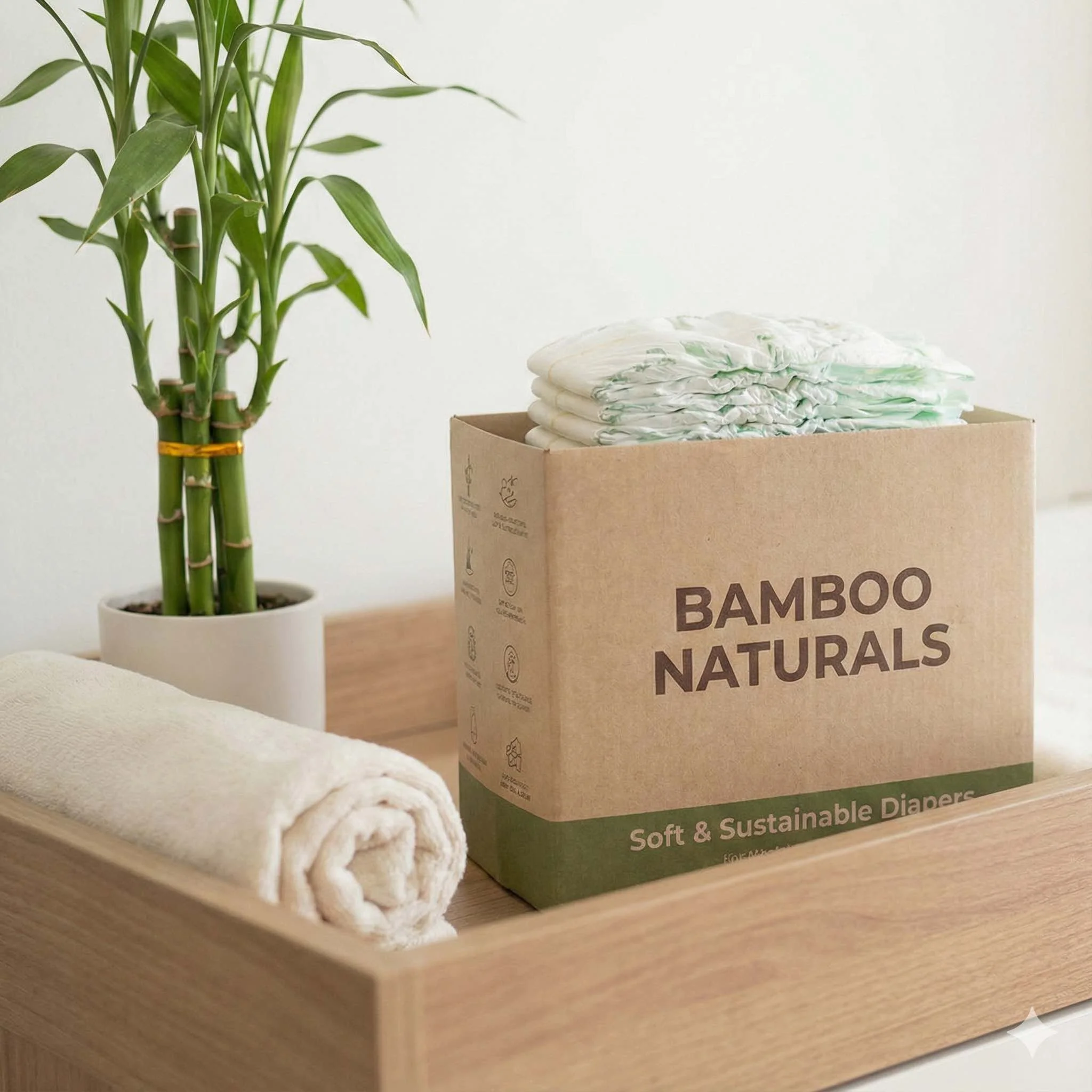
Baby Bamboo Diapers Research Summary
Market Size: The biodegradable baby diapers or nappies market was valued at approximately $2.99-4.5 billion in 2024 and is projected to reach $5.5-12 billion by 2032-2035, growing at a CAGR of 7.5-10.4%
Growth Driver: Eco-friendly diapers are growing at 14.3% annually on Amazon, significantly outpacing the traditional diaper market (5-6% CAGR)
Consumer Willingness: 77% of Gen Z and 72% of Millennial parents are willing to pay premium prices for sustainable products
Top Opportunity: DTC subscription models offer the highest profit margins (35-55%) with strongest customer retention
Key Segments: Sensitive skin/hypoallergenic bamboo diapers and subscription bundles show the highest opportunity scores (8-9/10)
Competitive Landscape: The market remains fragmented with top 5 eco-diaper brands holding only ~15-20% share, creating entry opportunities
Sourcing: Private label bamboo diapers from Fujian, China manufacturers offer $0.08-0.15/unit landed costs with 100,000+ MOQ
Amazon Insight: Bamboo diaper brand "The Cheeky Panda" saw 4,000%+ year-over-year sales growth, demonstrating explosive category potential
Price Sweet Spot: $0.40-0.65/diaper for premium positioning; $0.25-0.40/diaper for value positioning
1. Introduction: The Rise of Sustainable Diapering
Defining the Category
Baby bamboo diapers are disposable or reusable diapers made primarily from bamboo viscose fibers, offering a more sustainable alternative to traditional petroleum-based disposables. Unlike conventional diapers that can take 500+ years to decompose, bamboo-based diapers are typically 55-85% biodegradable and feature hypoallergenic, naturally antibacterial properties that appeal to health-conscious parents.
Market Landscape and Evolution
The baby diaper market represents a massive global opportunity, with the overall market valued between $55-81 billion in 2024 depending on the research methodology. Within this, the biodegradable and eco-friendly segment has emerged as the fastest-growing niche, driven by a fundamental shift in parental purchasing behavior.
The evolution of this category tells a compelling story. Traditional disposable diapers dominated from the 1960s through the 2010s, with Pampers and Huggies controlling approximately 68% of the market. However, the past decade has witnessed significant disruption. Environmental awareness campaigns highlighting that approximately 20 billion disposable diapers end up in U.S. landfills annually—each taking centuries to decompose—catalyzed demand for alternatives.
The early 2010s saw the emergence of pioneer brands like Bambo Nature (founded in 1991 but gaining mainstream traction later), followed by Honest Company (2012), Eco by Naty, and DYPER. These brands proved that eco-friendly diapers could compete on performance while commanding premium prices. By 2020, the category had matured enough to attract mainstream players: Pampers launched their Pure Protection line, Huggies introduced "Special Delivery," and major retailers began developing private-label eco options.
Recent Trends Shaping the Market
Several converging trends are accelerating growth. First, regulatory pressure is mounting globally. The European Union's Packaging and Packaging Waste Regulation (effective February 2025) and the UK's ban on plastic-laden wet wipes are forcing manufacturers to reformulate products, creating opportunities for already-compliant bamboo alternatives. Second, the subscription economy has transformed how parents purchase diapers—67% of diaper products on Amazon now offer subscription options, and brands like DYPER and Hello Bello have built their entire business models around recurring revenue.
Third, social media has become a powerful discovery engine. TikTok and Instagram influencers regularly feature eco-friendly baby products, and viral moments can drive exponential sales growth overnight. Fourth, the "clean label" movement that transformed food and beauty industries has arrived in baby care, with parents increasingly scrutinizing ingredient lists and seeking products free from chlorine, phthalates, fragrances, and other potentially harmful chemicals.
Leading Brand Innovators
DYPER pioneered the compostable diaper concept with their "REDYPER" program, allowing parents to return used diapers for industrial composting (available in ~20 major U.S. cities). Their bamboo diapers feature Sumitomo SAP from Japan, considered the highest-quality superabsorbent polymer available.
Bambo Nature (Denmark) remains the gold standard for eco-certifications, holding Nordic Swan, EU Ecolabel, and Dermatest certifications. They've maintained quality leadership for over 30 years.
Eco by Naty (Sweden) was among the first to achieve OK Biobased certification and focuses on plant-based materials throughout their supply chain.
Hello Bello, co-founded by celebrities Kristen Bell and Dax Shepard, disrupted the market by proving premium eco-diapers could be sold at mainstream prices through Walmart partnership and direct subscription.
Terra offers 85% plant-based diapers with FSC-certified materials and has gained strong Amazon presence in the value-eco segment.
Emerging players like Eco Pea Co., Freestyle (BambooTek), Little Toes, and Believe Baby are capturing market share through DTC models and strong customer reviews.
Product Segments, Price Ranges, and Popular Brands
The bamboo diaper market segments into several distinct categories:
Premium Eco-Conscious ($0.50-0.70/diaper): DYPER, Coterie, Kudos. These brands emphasize superior materials, third-party certifications, and often include subscription services with composting options.
Mid-Range Sustainable ($0.35-0.50/diaper): Bambo Nature, Eco by Naty, Andy Pandy, Honest Company. Solid eco-credentials with mainstream retail availability.
Value Eco-Friendly ($0.22-0.35/diaper): Hello Bello, Terra, ECO BOOM, Freestyle. Making sustainable diapers accessible to budget-conscious families through bulk pricing and retail partnerships.
Private Label Opportunities ($0.15-0.30/diaper retail): Retailers like Amazon (Amazon Elements consideration), Target, and Walmart are developing or expanding eco-diaper private labels, signaling mainstream adoption.
Reusable Bamboo Cloth ($3-8/diaper, reusable): GroVia, Charlie Banana, Wegreeco. While a smaller segment, cloth diaper sales grew 330%+ on Amazon recently, indicating renewed interest.
2. Marketplace Sales Opportunity Analysis
📊 Opportunity Score Guide
| Marketplace | Opportunity Score | Product Segment | Est. Weekly Units | Est. Weekly Revenue | Avg. Price Range | Est. Profit Margin |
|---|---|---|---|---|---|---|
| Amazon | 6 | Premium Bamboo Disposable Confidence: High |
2,500 - 4,500 | $75,000 - $135,000 | $0.40 - $0.65/diaper | 18-28% |
| 7 | Eco-Friendly Value Pack Confidence: High |
3,200 - 5,800 | $64,000 - $116,000 | $0.28 - $0.42/diaper | 20-30% | |
| 5 | Bamboo Training Pants Confidence: Medium |
800 - 1,500 | $28,000 - $52,500 | $0.55 - $0.80/unit | 22-32% | |
| 8 | Sensitive Skin/Hypoallergenic Confidence: Medium |
1,800 - 3,200 | $72,000 - $128,000 | $0.50 - $0.70/diaper | 25-35% | |
| Walmart Marketplace | 7 | Budget-Friendly Bamboo Confidence: Medium |
1,200 - 2,400 | $30,000 - $60,000 | $0.22 - $0.35/diaper | 15-22% |
| 8 | Mid-Range Eco Pack Confidence: Medium |
900 - 1,800 | $31,500 - $63,000 | $0.32 - $0.45/diaper | 20-28% | |
| 6 | Premium Organic Line Confidence: Low |
400 - 900 | $20,000 - $45,000 | $0.50 - $0.68/diaper | 22-30% | |
| eBay | 5 | Bulk/Wholesale Lots Confidence: Medium |
600 - 1,200 | $15,000 - $30,000 | $0.20 - $0.32/diaper | 12-18% |
| 4 | Individual Packs Confidence: Medium |
300 - 700 | $9,000 - $21,000 | $0.35 - $0.52/diaper | 15-22% | |
| Shopify / DTC Stores | 9 | Subscription Box Model Confidence: High |
800 - 2,000 | $64,000 - $160,000 | $75 - $95/monthly box | 35-50% |
| 8 | Premium Brand Bundle Confidence: Medium |
400 - 1,000 | $36,000 - $90,000 | $85 - $120/bundle | 40-55% | |
| 7 | One-Time Purchase Confidence: Medium |
250 - 600 | $12,500 - $30,000 | $45 - $65/pack | 30-42% | |
| Target Plus | 7 | Eco-Conscious Line Confidence: Low |
500 - 1,100 | $22,500 - $49,500 | $0.40 - $0.55/diaper | 18-25% |
| 6 | Premium Sensitive Confidence: Low |
300 - 700 | $16,500 - $38,500 | $0.52 - $0.68/diaper | 20-28% | |
| Emerging Channels (TikTok Shop, Instagram) |
9 | Viral/Trending Products Confidence: Low |
500 - 2,500 | $25,000 - $125,000 | $0.45 - $0.70/diaper | 30-45% |
| 8 | Influencer Collab Bundles Confidence: Low |
200 - 800 | $18,000 - $72,000 | $80 - $110/bundle | 35-50% |
📝 Data Notes & Methodology
- Confidence Levels: High = verified marketplace data; Medium = industry estimates + sampling; Low = projected based on trends
- Estimates are based on Q4 2024 - Q1 2025 market research, industry reports, and publicly available marketplace data
- Profit margins assume private label sourcing from Asia-Pacific manufacturers (MOQ 50,000-100,000 units)
- Weekly units represent estimated total market opportunity per segment, not individual seller performance
- Subscription models show highest margins due to customer retention and reduced CAC over time
- Actual results vary based on product quality, brand positioning, advertising spend, and competitive dynamics
Key Takeaways by Platform
Amazon remains the dominant channel, but competition is fierce. Success requires strong review velocity, competitive pricing, and Amazon Advertising investment. The sensitive skin/hypoallergenic segment (Opportunity Score: 8/10) offers the best balance of demand and differentiation potential. Eco-friendly value packs (7/10) show strong volume but tighter margins due to price competition.
Walmart Marketplace presents an underserved opportunity. With Hello Bello proving the concept through their Walmart partnership, third-party sellers can capture the eco-conscious Walmart shopper who may not want a subscription commitment. The mid-range eco pack segment (8/10) is particularly attractive given lower competition than Amazon.
Shopify/DTC offers the highest margin potential (35-55%) for brands willing to invest in customer acquisition and retention. Subscription models (9/10) generate predictable recurring revenue and enable premium pricing. Customer acquisition costs remain the primary challenge—expect $25-50 CAC for qualified leads.
eBay serves a different buyer profile—primarily deal-seekers and bulk purchasers. Margins are compressed (12-22%), making it better suited as a channel for inventory clearance or testing new products rather than primary sales.
Emerging Social Commerce (TikTok Shop, Instagram Shopping) represents the wild card. Viral content can drive explosive sales, and early movers in bamboo diapers are capturing market share. However, sales are unpredictable and heavily dependent on content performance.
3. Buyer Demand and Keyword Trends Analysis
Main Buyer Personas
Understanding who buys bamboo diapers is essential for product positioning and marketing. Our research identifies four primary personas:
The Eco-Warrior Parent (25-35, primarily Millennials) These parents prioritize environmental impact above all else. They research carbon footprints, seek biodegradable packaging, and often participate in composting programs. They're willing to pay 20-40% premiums for products aligned with their values. They respond to messaging around sustainability, certifications (Nordic Swan, FSC, OK Biobased), and transparent supply chains. They're highly active on Instagram and parenting blogs, often discovering products through influencer recommendations.
The Sensitive Skin Seeker (All ages, but skewing toward first-time parents) This persona's primary concern is their baby's health and comfort. They've often experienced diaper rash issues with conventional brands and are seeking hypoallergenic, fragrance-free, chemical-free alternatives. They're less price-sensitive when they find a product that works and become extremely brand-loyal. They value dermatological testing, OEKO-TEX certifications, and peer reviews from other parents with similar concerns. Reddit parenting communities and Amazon reviews heavily influence their decisions.
The Premium Experience Parent (30-45, higher household income) These parents view baby products as a reflection of their lifestyle and values. They gravitate toward premium branding, beautiful packaging, and superior product experiences. They're often early adopters of subscription services and appreciate convenience features like wetness indicators and stylish designs. They respond to brand storytelling, celebrity endorsements (Hello Bello's success partly stems from Kristen Bell and Dax Shepard's involvement), and exclusive offerings.
The Value-Conscious Eco-Curious Parent (25-40, budget-minded) This growing segment wants to make sustainable choices but faces budget constraints. They're looking for bamboo diapers that don't cost significantly more than premium conventional brands like Pampers Pure. They respond to value packs, subscription discounts, and messaging that positions eco-diapers as "affordable sustainability." Walmart shoppers and Amazon Subscribe & Save users often fall into this category.
Search Trends and Keyword Analysis
Based on available market research and search data, these patterns emerge:
High-Volume Keywords:
"eco friendly diapers" / "eco-friendly baby diapers"
"bamboo diapers"
"organic diapers"
"natural diapers"
"biodegradable diapers"
"non toxic diapers"
"hypoallergenic diapers"
Growing Search Terms (Rising Queries):
"bamboo diapers sensitive skin"
"best eco diapers 2025"
"DYPER reviews"
"bamboo vs regular diapers"
"compostable diapers"
"plant-based diapers"
"chlorine-free diapers"
Long-Tail Opportunities:
"bamboo diapers for eczema"
"best overnight bamboo diapers"
"bamboo training pants toddler"
"affordable eco-friendly diapers"
"bamboo diaper subscription"
Seasonal Patterns
Diaper demand remains relatively stable year-round due to the essential nature of the product. However, some seasonal variations exist:
Peak periods: Baby shower season (spring), back-to-school (parents stocking up), and November-December (gift purchases and holiday deals drive trial).
Prime Day and Black Friday: Significant spike in bulk purchases as parents stock up on Subscribe & Save deals.
Post-holiday slowdown: January typically sees reduced discretionary spending, though subscription models maintain steady revenue.
Earth Day (April): Eco-focused marketing campaigns can drive awareness and trial for sustainable diaper brands.
Community Feedback: Reddit and Forum Insights
Analysis of parenting communities reveals consistent themes in bamboo diaper discussions:
What parents love:
"So much softer than regular diapers—my baby's skin cleared up within a week"
"Worth the extra cost for sensitive skin"
"Love that I'm not contributing as much to landfill waste"
"The subscription is super convenient and saves us money"
Common concerns:
"Some eco brands don't hold up overnight—had to size up"
"Price is definitely higher than Pampers"
"Wish there were more wetness indicator options"
"Not all bamboo diapers are truly biodegradable—greenwashing is real"
Frequently discussed brands: DYPER, Bambo Nature, Hello Bello, Eco by Naty, and The Honest Company appear most frequently in Reddit discussions. DYPER's composting program generates significant conversation, both praise for the concept and questions about its practical implementation.
Purchase decision factors (ranked by mention frequency):
Absorbency and leak protection
Softness and comfort
Price/value
Chemical-free/hypoallergenic properties
Environmental impact
Brand reputation and reviews
4. Actionable Insights for Sellers
Manufacturing and Sourcing
Private label bamboo diapers can be sourced from established manufacturers in Fujian Province, China—the global hub for diaper production.
Typical MOQs: 50,000-100,000 units for private label orders Landed costs: $0.08-0.15/diaper depending on specifications, certifications, and order volume Lead times: 14-39 days production plus 30-45 days ocean freight
Certification requirements: Budget for OEKO-TEX Standard 100, dermatological testing, and potentially organic certifications. Third-party certifications significantly increase consumer trust and justify premium pricing.
Recommended Entry Strategies
For new sellers:
Start with Amazon FBA in the eco-friendly value segment—lower barriers to entry, established demand
Focus on a specific niche (sensitive skin, overnight protection) rather than competing broadly
Invest in professional photography and A+ content highlighting certifications and materials
Build review velocity through Amazon Vine and excellent customer service
For established e-commerce brands:
Consider DTC subscription model for highest margins and customer lifetime value
Develop Walmart Marketplace presence—less competition than Amazon
Create influencer partnership program targeting parenting and sustainability content creators
Explore TikTok Shop for viral potential
For manufacturers/distributors:
Private label partnerships with emerging DTC brands
Bulk wholesale to established eco-retailers
Geographic expansion into underserved markets (Midwest, South)
Realistic Expectations
Timeline to profitability: 6-18 months depending on channel and investment level
Initial investment: $15,000-50,000 for meaningful inventory and marketing
Expected margins: 18-28% on marketplaces; 35-55% on DTC after customer acquisition costs Competition intensity: Moderate-high on Amazon; lower on Walmart and DTC
Sources & References
Mordor Intelligence, Baby Diapers Market Size, Competitive Landscape, Industry Forecast 2030
Credence Research, Biodegradable Baby Diapers Market Size, Growth & Forecast 2032
Grand View Research, Baby Diapers Market Size and Share, Industry Report 2030
IMARC Group, Biodegradable Diapers Market Size, Share and Trends 2025-33
Future Market Insights, Biodegradable Baby Diapers Market Share & Trends 2025-2035
Jungle Scout, Consumer Buying Trends in Amazon's Diaper Market
McKinsey & Company, Buying into Sustainability Consumer Research
PDI Technologies, Business of Sustainability Index 2023
BabyGearLab, Best Disposable Diapers Tested & Rated 2025
The Business Research Company, Baby Diapers Market Growth Analysis 2024-2033
Disclaimer: This analysis is based on publicly available market research, industry reports, and third-party data compiled in Q4 2024 - Q1 2025. Sales estimates represent market opportunity, not guaranteed results. Actual performance will vary based on product quality, competitive dynamics, marketing investment, and execution. All data points should be validated through independent research before making business decisions.