

Sponsored Article
Polish Cosmetics Research Summary
Poland's cosmetics market reached PLN 35 billion ($8.5B) in 2024, growing at 5.6% annually with continued expansion forecast through 2028
Natural and organic skincare is the breakout segment, with skincare projected to grow at 5% CAGR through 2028—driven by Gen Z's obsession with clean, transparent ingredient lists
Polish brands like Ziaja, Bielenda, and Inglot have built international cult followings yet remain under-distributed in Western markets, creating arbitrage opportunities
Amazon US is the highest-opportunity mainstream marketplace for Polish cosmetics, with natural skincare scoring an 8/10 opportunity rating due to strong demand and limited specialized competition
DTC/Shopify stores offer the best margin potential at 50–70%, but require significant customer acquisition investment
Polish diaspora markets (Brooklyn's Greenpoint, UK Polish communities) represent overlooked high-conversion niche channels scoring 9/10 for opportunity
Private label manufacturing from Poland offers compelling unit economics: MOQs as low as 500–1,000 units from EU-certified facilities with vegan, cruelty-free formulations
1. Introduction: Why Polish Cosmetics Deserve Your Attention
Defining the Category
Polish cosmetics encompass beauty and personal care products manufactured in Poland—ranging from mass-market skincare and haircare to premium dermocosmetics and professional color cosmetics. What distinguishes this category isn't just geography but a specific manufacturing philosophy: pharmacist-founded brands, natural ingredient focus, EU regulatory compliance, and aggressive value positioning that delivers quality rivaling prestige Western brands at drugstore prices.
Market Landscape and Heritage
Poland ranks as one of the largest cosmetics markets in Central Europe, valued at approximately $5.72 billion in 2024 and projected to reach $6.23 billion by 2027. The domestic industry has deep roots—major players like Ziaja (founded 1989) and Dr Irena Eris (1983) emerged from Poland's pharmaceutical tradition, bringing clinical rigor to consumer beauty.
This heritage matters commercially. Polish cosmetic exports have quintupled over the past decade, with beauty and make-up products accounting for 49% of exported cosmetic goods. Germany, Czech Republic, and the UK represent primary export destinations, but North American demand is accelerating—particularly among consumers who've discovered Polish brands through diaspora networks, European travel, or ingredient-focused beauty communities.
Recent Trends Reshaping the Opportunity
Several converging forces make 2025 a strategic moment for Polish cosmetics:
The natural cosmetics surge: Polish consumers—and increasingly global buyers—are demanding products with short, recognizable ingredient lists. Handmade soaps, solid shampoos, and aromatherapy products aren't just trending; they're reshaping category dynamics.
E-commerce maturation: Online now represents 33.5% of Poland's beauty market revenue, with that share climbing. This digital infrastructure means Polish brands have developed sophisticated fulfillment capabilities suitable for international expansion.
Gen Z ingredient obsession: 76% of Polish Gen Z consumers use facial cleansers regularly, demanding cutting-edge formulas with proven efficacy. This generation is driving innovation that translates globally.
Male grooming emergence: While men represent just 5% of Poland's cosmetics market value, over 50% of Polish men now use facial moisturizers, and nearly one-third use scrubs. This segment is growing faster than the overall market.
Leading Brand Innovators
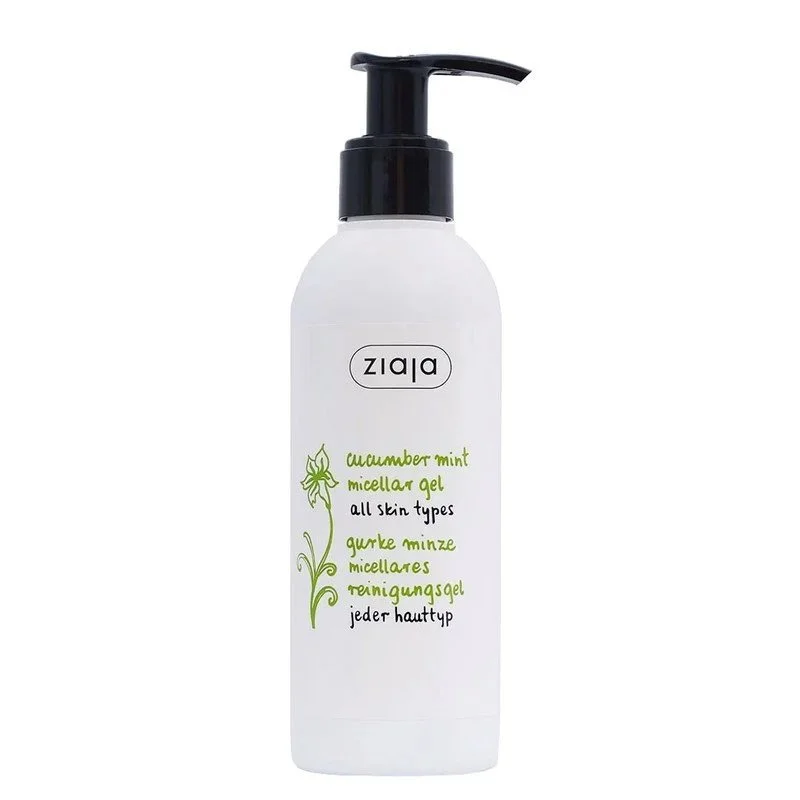
Ziaja (Founded 1989, Gdańsk): The pharmacist-couple founders built Poland's most internationally recognized skincare brand on simple positioning—affordable, effective, natural ingredients. Their Goat's Milk line achieved cult status among American beauty bloggers, while the olive cream that launched the company remains a bestseller 35+ years later. The company operates EU-certified manufacturing with vegan, cruelty-free formulations.
Inglot (Founded 1983): Poland's color cosmetics champion, now operating in 80+ countries through 300+ retail outlets. Their breathable O2M nail polish technology attracted the halal cosmetics market, while the Freedom System customizable palettes compete directly with MAC and Urban Decay at lower price points.
Dr Irena Eris (Founded 1983): The premium tier of Polish cosmetics, blending scientific research with luxury positioning. Their institute-backed formulations command price points competitive with La Mer and Estée Lauder, but with significantly better margin structures for retailers.
Bielenda (30+ years in operation): Spanning 55 countries with products ranging from mass-market to professional-grade, Bielenda was among the first brands to launch ceramide-based products—before ceramides became a global trending ingredient.
Eveline Cosmetics: Poland's largest cosmetics exporter, distributing to 70+ countries including Vietnam, Hong Kong, and Saudi Arabia. Known for hyaluronic acid formulations and slimming/anti-cellulite products that resonate across diverse international markets.
Product Segments and Price Positioning
Haircare, Body Care & Oral Hygiene (48% of Polish market by category): The foundation of the industry, dominated by Ziaja, Joanna, and Eveline with products typically priced at $5–$15 retail.
Skincare (Fastest-growing segment, 5% CAGR through 2028): Spanning from Ziaja's $8 goat milk creams to Dr Irena Eris's $80+ serums. Natural and dermocosmetic sub-segments outperforming mass market.
Color Cosmetics: Inglot leads with professional-grade products at accessible prices ($10–$25 typical), while Eveline and newer entrants compete in the mass tier ($5–$15).
Nail Polish: Polish producers (pun unavoidable) have earned export reputation—the country's nail cosmetics segment shows steady forecast growth through 2027.
Premium/Dermocosmetics: Dr Irena Eris, Pharmaceris, and Lirene compete in the $30–$100+ range with clinical positioning and spa/professional distribution.
Private Label Opportunities: Poland hosts contract manufacturers like Nuco (30 years experience, 500 employees outside Warsaw) offering MOQs from 500–1,000 units with full GMP certification—substantially lower barriers than typical Western contract manufacturing.
2. Marketplace Sales Opportunity Analysis
Opportunity Score Guide
Score combines buyer demand and seller competition. Higher scores = stronger demand with lower competition = better profit potential.
| Marketplace | Opportunity Score | Product Segment | Est. Weekly Units | Est. Weekly Revenue | Avg. Price Range | Est. Profit Margin |
|---|---|---|---|---|---|---|
| Amazon US | 7 | Natural/Organic Skincare (Ziaja, Bielenda) | 800–1,500Medium confidence | $12,000–$22,500 | $8–$18 | 35–50% |
| 8 | Goat Milk Skincare Lines | 400–900Medium confidence | $6,000–$13,500 | $10–$20 | 40–55% | |
| 6 | Professional Nail Polish (Inglot) | 600–1,200Medium confidence | $7,200–$18,000 | $10–$16 | 30–45% | |
| 5 | Color Cosmetics/Makeup | 500–1,000Low-medium confidence | $5,000–$15,000 | $8–$18 | 25–40% | |
| 7 | Anti-Aging/Premium Skincare (Dr Irena Eris) | 150–400Low-medium confidence | $7,500–$24,000 | $45–$80 | 40–55% | |
| eBay US | 6 | Budget Natural Skincare | 300–700Low-medium confidence | $3,000–$8,400 | $6–$15 | 25–40% |
| 5 | Nail Polish & Nail Art | 400–800Low-medium confidence | $4,000–$10,400 | $8–$14 | 20–35% | |
| 4 | Hair Care Products | 200–500Low confidence | $2,400–$7,500 | $10–$18 | 20–30% | |
| Walmart Marketplace | 7 | Value Skincare (Mass Market) | 500–1,100Low-medium confidence | $4,000–$11,000 | $6–$12 | 30–45% |
| 6 | Body Care/Lotions | 300–800Low confidence | $2,700–$9,600 | $7–$14 | 25–40% | |
| 5 | Premium Beauty (Auth. Sellers) | 100–300Low confidence | $5,000–$18,000 | $40–$75 | 35–50% | |
| Shopify / DTC Stores | 8 | Private Label Natural Skincare | 100–500Medium confidence | $2,500–$17,500 | $18–$45 | 50–70% |
| 8 | Curated Polish Beauty Boxes | 50–200Low-medium confidence | $2,500–$12,000 | $45–$75 | 45–65% | |
| 7 | Niche Ingredient-Led Products | 80–300Low-medium confidence | $2,000–$10,500 | $22–$40 | 50–65% | |
| TikTok Shop | 8 | Viral-Ready Natural Beauty | 200–1,000Low-medium confidence | $2,800–$18,000 | $12–$22 | 35–55% |
| 7 | Affordable Skincare Sets | 150–600Low confidence | $3,000–$15,000 | $18–$30 | 30–50% | |
| Allegro (CEE) | 4 | Polish Cosmetics (Domestic) | 2,000–5,000Medium confidence | $15,000–$50,000 | $5–$15 | 15–25% |
| 5 | Premium Dermocosmetics | 500–1,200Medium confidence | $15,000–$48,000 | $25–$50 | 20–35% | |
| Specialty/Ethnic Retailers | 9 | Polish Diaspora Markets (US/UK) | 300–800Low-medium confidence | $3,600–$12,000 | $8–$18 | 40–60% |
| 7 | European Skincare Boutiques | 100–350Low confidence | $2,500–$10,500 | $20–$40 | 35–55% |
Data Notes & Methodology
- Confidence levels: Estimates based on industry reports, marketplace data, and seller research. High = multiple verified sources; Medium = industry extrapolation; Low = educated estimates based on comparable products.
- Weekly units/revenue: Represents aggregate category performance for Polish cosmetics brands; individual seller results vary significantly based on listing optimization, reviews, and marketing.
- Profit margins: Net margins after platform fees, shipping, and COGS. Exclude marketing/advertising costs which can reduce margins by 10–25%.
- Walmart Premium Beauty: Now requires authorized seller/brand owner status as of July 2025.
- Currency: All figures in USD. CEE marketplace figures converted at current exchange rates.
Platform Strategic Assessments
Amazon US (Opportunity Score: 5–8 depending on segment)
Amazon's beauty and personal care category represents one of its most profitable segments, generating an estimated $2.4–$3.8 billion in monthly US revenue in 2024. Skincare dominated the top 25 bestselling products in Q2 2024 at 32%, with hair products comprising roughly one-fifth.
For Polish cosmetics specifically, the opportunity concentrates in natural/organic skincare where Ziaja and Bielenda have established brand awareness but face minimal direct competition from other Polish brand sellers. Goat milk skincare scores highest (8/10) due to niche positioning with passionate buyer demand and limited specialized sellers.
Key barriers include Amazon's ungating requirements for beauty (though significantly relaxed from prior years) and the need for FDA compliance documentation. Sellers clearing these hurdles access an audience where 23% of sellers operate in beauty/personal care—but far fewer specialize in European natural skincare.
eBay US (Opportunity Score: 4–6)
Cosmetics rank among eBay's top categories given the platform's $295+ billion cosmetics market size globally. However, eBay's role in Polish cosmetics skews toward bargain-hunting consumers and diaspora buyers seeking specific brands. Margins compress due to price competition, making this platform better suited for volume plays in budget skincare ($6–$15 range) rather than premium positioning.
Hair care products score lowest (4/10) due to commodity competition, while nail polish maintains moderate opportunity (5/10) with artistic/specialty positioning.
Walmart Marketplace (Opportunity Score: 5–7)
Walmart's aggressive marketplace expansion includes a Premium Beauty initiative launched in 2024 with 80+ brands. The platform shows 30%+ quarterly sales growth and positions explicitly for value-seeking customers trading up into better quality.
Critical update: As of July 2025, Walmart restricts beauty and personal care sales to brand owners and authorized sellers—requiring documentation of either brand ownership or manufacturer authorization letters. This barrier actually benefits established sellers by reducing unauthorized competition.
Value skincare ($6–$12 range) scores highest here, aligned with Walmart's customer base. Premium beauty requires invitation/authorization but offers less competition than Amazon's crowded prestige segment.
Shopify/DTC Stores (Opportunity Score: 7–8)
Direct-to-consumer channels offer the most compelling margin opportunity at 50–70% net (before customer acquisition costs). In the US, DTC ecommerce sales for established brands reached $186 billion in 2024.
Polish cosmetics sellers can leverage several DTC advantages: exclusive product access unavailable on marketplaces, curated "Polish beauty box" subscription models, and ingredient-story marketing that resonates with transparency-focused consumers.
The trade-off: DTC requires significant customer acquisition investment. Beauty brands on Shopify typically grow through Meta/Google advertising, influencer partnerships, and content marketing—channels requiring expertise and budget.
Private label natural skincare scores highest (8/10) because DTC removes price comparison pressure, enabling premium positioning. Curated beauty boxes also score 8/10 due to subscription economics and perceived exclusivity.
TikTok Shop (Opportunity Score: 7–8)
Social commerce is reshaping beauty distribution. TikTok Shop captured 2.6% of total US e-commerce in 2024, with beauty as a leading category. Live-selling events during Cyber Week generated $130M+ in gross merchandise value—quadruple 2023's performance.
Polish cosmetics' "European natural beauty" positioning maps perfectly to TikTok's viral discovery mechanic. Products with strong visual transformation potential (skincare results, nail art) and authentic ingredient stories outperform.
Viral-ready natural beauty scores 8/10 due to the platform's algorithmic advantage for authentic, story-driven products versus established prestige brands.
Allegro / Central European Marketplaces (Opportunity Score: 4–5)
Allegro dominates Polish e-commerce with 20+ million active buyers—but this creates a double-edged situation. While Health & Beauty ranks as Allegro's second most popular category, domestic competition from established Polish brands and their authorized distributors is intense.
For international sellers, Allegro requires Polish-language listings and understanding of local pricing expectations. Opportunity exists primarily in premium dermocosmetics where authorized distribution is less saturated, but margins compress significantly versus Western markets.
Specialty/Ethnic Retailers (Opportunity Score: 7–9)
The overlooked opportunity: Polish diaspora communities, particularly in Brooklyn's Greenpoint neighborhood, UK Polish communities, and similar enclaves. These consumers actively seek authentic Polish brands, demonstrate high purchase intent, and often pay premium for convenience and trusted sourcing.
Diaspora-focused retail (online and physical) scores 9/10 due to pre-qualified buyer intent, reduced discovery/education requirements, and loyalty dynamics. Sellers serving these markets through specialty online stores, local Polish grocery partnerships, or targeted DTC marketing access customers already convinced of Polish cosmetics' value proposition.
3. Buyer Demand and Keyword Trends Analysis
Primary Buyer Personas
The Ingredient-Obsessed Naturalist (Gen Z/Millennial Women) This buyer researches ingredient lists exhaustively, follows r/SkincareAddiction and r/AsianBeauty (the latter increasingly covering European brands), and values transparency above brand prestige. They discover Polish cosmetics through ingredient-focused content that highlights natural formulations at accessible prices.
Key motivators: Clean ingredients, cruelty-free certification, vegan formulations, dermatologist recommendations, minimal packaging Price sensitivity: Moderate—willing to pay for quality but rejects luxury markup Discovery channels: TikTok, Reddit, YouTube dermatologists, beauty blogs
The Value-Conscious Quality Seeker (25–45 Women) Experienced skincare consumers who've tried prestige brands and discovered comparable results from affordable alternatives. They appreciate the "pharmacy heritage" positioning of Polish brands and share discoveries with friends.
Key motivators: Effectiveness relative to price, product longevity, multi-purpose products Price sensitivity: High—constantly evaluating cost-per-use Discovery channels: Facebook groups, word-of-mouth, diaspora community recommendations
The Polish Diaspora Loyalist (All ages) Consumers with Polish heritage or connections who trust domestic brands and actively seek products remembered from childhood or recommended by family. They're often introducing American/UK friends to Polish cosmetics.
Key motivators: Authenticity, nostalgia, cultural connection, trusted efficacy Price sensitivity: Low—paying for familiar brands and convenience of access Discovery channels: Polish grocery stores, community networks, specialty online retailers
The Professional/Salon Buyer Licensed cosmetologists, nail technicians, and estheticians seeking professional-grade products at better margin than US-based professional brands. Inglot's Freedom System and Polish dermocosmetics appeal to this segment.
Key motivators: Bulk pricing, professional quality, unique offerings for differentiation Price sensitivity: Moderate—focused on wholesale margin and client satisfaction Discovery channels: Trade shows, professional distributors, Amazon Professional Beauty
Search Demand Patterns
Google Trends Indicators:
"Polish skincare" and "European skincare" show steady interest with seasonal peaks around Black Friday and holiday gifting periods
"Ziaja" brand searches concentrate in diaspora-heavy metro areas (NYC, Chicago, London)
"Goat milk skincare" demonstrates consistent year-round demand with particular strength in winter months
"Natural cosmetics Poland" shows growth trajectory aligned with clean beauty momentum
Amazon Search Volume Indicators:
Skincare searches grew 88.7% from August 2024 to August 2025 on Amazon
"Gel nail polish" search volumes increased 25.67% month-over-month in mid-2025
Vitamin C serums and retinol products dominate Amazon skincare demand—categories where Polish brands have strong, competitively-priced offerings
Seasonal Patterns
Peak Seasons:
Q4 (October–December): Gift sets, premium skincare, fragrance—accounts for disproportionate annual revenue
January: "New year, new skincare routine" resolutions drive discovery and trial
Spring (March–May): Body care products, exfoliators, and sun preparation products surge
Steady Demand:
Basic skincare (moisturizers, cleansers) maintains consistent year-round demand
Nail polish shows slight seasonality with peaks around Easter, graduation season, and winter holidays
Consumer Sentiment from Reddit and Forums
Reddit's beauty communities have driven significant discovery of Polish cosmetics:
"I found this through a recommendation on a Reddit beauty forum for people in their thirties, and I am OBSESSED... This foundation straight-up glosses over my pores and redness and makes my skin look so even-toned and natural." — Typical enthusiast discovery pattern
"Ziaja not only smooths my skin but also intensely moisturises it... Previous serums caused breakouts to my skin, and I feel like after using this serum for a while now, it has helped to calm my skin down and get it back to normal." — Common efficacy testimonial
Community discussions consistently highlight:
Surprise at low price points for perceived quality
Appreciation for pharmacist/dermatologist heritage
Positive experience with sensitive skin compatibility
Frustration with limited US availability driving online purchasing
Reddit's beauty conversations grew 71% year-over-year, with r/SkincareAddiction serving as a particularly influential discovery channel for European brands.
Sources & References
Trade.gov, Poland Cosmetics and Beauty Products Market, 2024
Statista Market Forecast, Beauty & Personal Care Poland, 2025
PMR Report, Cosmetic Sector in Poland 2025
Euromonitor, Beauty and Personal Care in Poland, 2024
All 4 Comms, Key Insights for the Cosmetics Market in Poland, 2025
Jungle Scout, How to Sell Beauty Products on Amazon, 2024
BeautyMatter, The Top 10 Amazon Brands of 2024 by Market Share
Shopify, DTC Trends and Beauty Ecommerce Trends, 2024-2025
Global Cosmetic Industry, 2024's Global Beauty Sales Are Powered by E-commerce & Social Selling Boom
Consumer Edge, Q3 2024 Global Beauty Digest
Note: Sales estimates and opportunity scores represent informed projections based on available market data, industry reports, and seller research. Individual results depend on product selection, listing optimization, marketing investment, and competitive positioning. All figures in USD unless otherwise noted.