
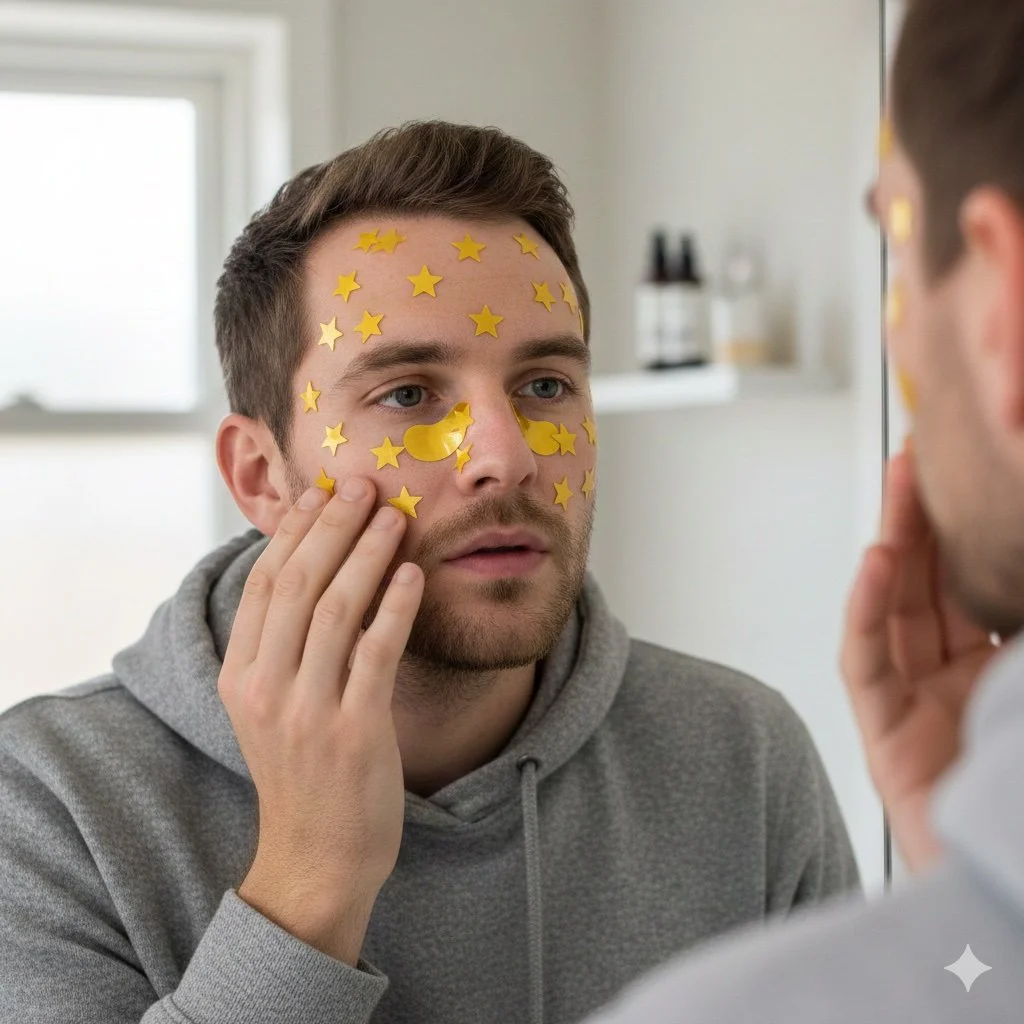
Summary of Research
The US acne treatment market reached $5.7 billion in 2024 and is projected to grow at 5.3-5.8% CAGR through 2032
Hero Cosmetics led US acne brand sales in 2023 with $214 million in revenue, followed by Neutrogena and Panoxyl
Pimple patches represent the fastest-growing segment, with the US anti-acne dermal patch market valued at $133.6 million in 2024 and growing at 6.8% CAGR
Amazon dominates online acne skincare sales, with hydrocolloid patches generating approximately $243,000 in monthly revenue for top sellers
Private label acne products can be sourced from China with MOQs as low as 500-1,000 units at $1.65-$4.50 per unit depending on product complexity
Gen Z and millennial consumers drive 54.7% of acne patch purchases, with social media virality (particularly TikTok) being the primary discovery channel
Opportunity scores are highest for pimple patches on Amazon and TikTok Shop (9/10) due to high demand and proven viral potential
Key ingredients driving consumer interest include salicylic acid, benzoyl peroxide, niacinamide, and hydrocolloid technology
1. Introduction: Understanding the Acne Care Market
Defining the Category
Acne care encompasses a broad spectrum of products designed to prevent, treat, and manage acne vulgaris, the most common skin condition affecting an estimated 40-50 million Americans annually. The category spans over-the-counter topical treatments, cleansers, spot treatments, dermal patches, and complete skincare systems targeting various acne types from mild comedonal acne to severe cystic breakouts.
For e-commerce sellers, acne care products fall into several key regulatory categories. Most OTC acne treatments containing active ingredients like benzoyl peroxide (up to 10%), salicylic acid (0.5-2%), and sulfur (3-8%) are regulated as cosmetics with drug claims, requiring FDA compliance for labeling. Non-medicated products like hydrocolloid patches without active ingredients can be sold as cosmetic devices with fewer regulatory hurdles.
Market Landscape and Evolution
The acne treatment industry has transformed dramatically over the past decade. What was once dominated by prescription dermatological treatments and clinical procedures has shifted toward accessible, consumer-friendly products driven by social media education and ingredient transparency.
The global acne treatment market was valued at approximately $11.6 billion in 2024, with North America commanding 45-49% of market share. The US market specifically reached $5.7 billion in 2024, with the topical treatment segment holding approximately 62% of sales.
Historically, the market evolved through several phases. The 1990s and 2000s saw Proactiv dominate through infomercial marketing, establishing the three-step system approach. The 2010s brought the rise of dermatologist-recommended drugstore brands like CeraVe and La Roche-Posay. Since 2018, the K-beauty wave introduced hydrocolloid pimple patches to mainstream Western consumers, revolutionizing spot treatment approaches.
Recent trends shaping the market include the rise of clean beauty formulations with fewer synthetic ingredients, ingredient transparency driven by apps like INCI Beauty and Yuka, personalized skincare through AI diagnostics and telehealth consultations, and the democratization of dermatological knowledge through platforms like TikTok and Instagram.
Leading Brand Innovators
Several brands have defined the modern acne care landscape through innovation and marketing excellence.
Hero Cosmetics launched in 2017 with a single product, the Mighty Patch, and grew to become the top-selling acne brand in the US by 2023 with $214 million in sales. Their success demonstrated the power of solving a specific problem elegantly. Church & Dwight acquired the brand in 2022 for $630 million.
CeraVe transformed from a pharmacy sleeper brand to Gen Z's go-to skincare line through TikTok virality and dermatologist endorsements. Now owned by L'Oreal, it captures 9.6% market share on Amazon's beauty category.
Starface disrupted the market by making acne treatment fun with star-shaped, brightly colored pimple patches, experiencing over 100% sales growth in 2023 and proving that design innovation could differentiate in a crowded market.
COSRX led the K-beauty charge with its Snail Mucin and acne patch lines, achieving 7,556% year-over-year growth in Amazon unit sales and outselling established Western brands in revenue share.
Product Segments and Categories
The acne care market segments into distinct product categories, each with unique pricing dynamics and competitive landscapes.
Pimple Patches and Dermal Treatments represent the fastest-growing segment. Hydrocolloid patches dominate at 88% market share, with medicated patches containing salicylic acid or tea tree oil gaining ground. Price points range from $5-18 for consumer packs of 24-96 patches. Microneedle patches represent an emerging premium subcategory at $18-35.
Cleansers and Face Washes form the foundation of acne routines. Salicylic acid cleansers lead in efficacy perception, followed by benzoyl peroxide washes. The segment ranges from $6-16 for mass market options to $25-45 for premium formulations. CeraVe and Neutrogena dominate volume sales.
Spot Treatments include benzoyl peroxide gels, sulfur treatments, and newer entries like hypochlorous acid sprays. Price points cluster at $8-18, with premium clinical brands reaching $25-40.
Serums and Leave-On Treatments featuring retinoids, niacinamide, and azelaic acid command premium pricing at $15-45. The Ordinary disrupted this segment with clinical-grade formulations under $15.
Complete Acne Systems like Proactiv and newer subscription-based kits range from $35-75 per set, offering recurring revenue potential but facing higher customer acquisition costs.
LED and Device-Based Treatments represent the emerging premium tier at $50-400, with blue light therapy devices showing strong growth driven by at-home treatment trends.
Private Label Sourcing Analysis
For sellers considering private label acne products, understanding manufacturing costs and minimum order requirements is essential for financial planning.
| Product Type | Est. FOB Cost/Unit | Typical MOQ | Packaging Cost | Shipping (Sea) | Duties/Tariffs | Total Landed Cost | Suggested Retail |
|---|---|---|---|---|---|---|---|
| Hydrocolloid Patches (36ct) | $0.80-$1.20 | 1,000 units | $0.25-$0.40 | $0.15-$0.25 | $0.10-$0.15 (6.5%) | $1.30-$2.00 | $9.99-$14.99 |
| Salicylic Acid Cleanser (200ml) | $1.50-$2.50 | 500-1,000 units | $0.60-$1.00 | $0.30-$0.50 | $0.20-$0.30 (6.5%) | $2.60-$4.30 | $12.99-$18.99 |
| Benzoyl Peroxide Gel (50ml) | $1.20-$1.80 | 1,000 units | $0.40-$0.70 | $0.20-$0.35 | $0.15-$0.20 (6.5%) | $1.95-$3.05 | $9.99-$15.99 |
| Niacinamide Serum (30ml) | $1.80-$3.00 | 500-1,000 units | $0.80-$1.50 | $0.20-$0.30 | $0.20-$0.35 (6.5%) | $3.00-$5.15 | $16.99-$28.99 |
| Retinol Cream (50ml) | $2.20-$3.50 | 500 units | $0.80-$1.20 | $0.25-$0.40 | $0.25-$0.35 (6.5%) | $3.50-$5.45 | $18.99-$32.99 |
| Complete 3-Step Kit | $4.50-$7.00 | 500 units | $1.50-$2.50 | $0.50-$0.80 | $0.50-$0.70 (6.5%) | $7.00-$11.00 | $34.99-$59.99 |
| Microneedle Acne Patches (12ct) | $2.00-$3.50 | 1,000 units | $0.50-$0.80 | $0.20-$0.35 | $0.20-$0.30 (6.5%) | $2.90-$4.95 | $18.99-$28.99 |
Assumptions and Notes:
FOB costs based on Guangzhou/Shenzhen manufacturers with ISO 22716 and GMP certification
Shipping estimates assume sea freight at approximately $3,500-4,500 per 20ft container
Duties reflect standard US cosmetics tariff rates (HTS 3304)
Packaging costs include tubes/bottles, labels, and outer cartons
Add 15-25% for Amazon FBA fees or 8-12% for third-party fulfillment
Testing and compliance costs (stability testing, challenge testing) typically $2,000-5,000 per SKU
Custom formulation development adds $1,500-5,000 depending on complexity
Recommended Test Order Strategy: Start with 500-1,000 units of a single SKU to validate market demand before scaling. Total initial investment for a pimple patch launch: approximately $2,500-4,000 including product, shipping, and initial Amazon PPC budget.
2. Marketplace Sales Opportunity Analysis
| Marketplace | Opportunity Score | Product Segment | Est. Weekly Unit Sales | Est. Weekly Revenue | Avg Price Range | Est. Profit Margin |
|---|---|---|---|---|---|---|
| Amazon | 9 | Pimple Patches (Hydrocolloid) | 4,500-5,500Confidence: High | $54,000-$66,000Based on AMZScout data | $8-$18 | 45-60% |
| 8 | Salicylic Acid Cleansers | 3,200-4,000Confidence: Medium | $38,000-$52,000Estimate | $10-$16 | 35-50% | |
| 7 | Benzoyl Peroxide Treatments | 2,800-3,500Confidence: Medium | $28,000-$42,000Estimate | $8-$15 | 30-45% | |
| 6 | Retinoid Serums/Creams | 2,000-2,800Confidence: Medium | $36,000-$56,000Estimate | $15-$28 | 40-55% | |
| 5 | Complete Acne Kits | 800-1,200Confidence: Low | $32,000-$60,000Estimate | $35-$65 | 25-40% | |
| Walmart | 8 | Value Acne Cleansers | 2,500-3,200Confidence: Medium | $18,000-$26,000Estimate | $6-$10 | 30-40% |
| 7 | Pimple Patches (Budget) | 1,800-2,400Confidence: Medium | $10,000-$16,000Estimate | $5-$9 | 40-55% | |
| 6 | Spot Treatments | 1,500-2,000Confidence: Low | $12,000-$18,000Estimate | $7-$12 | 35-45% | |
| 4 | Premium Acne Serums | 400-700Confidence: Low | $8,000-$17,500Estimate | $18-$30 | 20-35% | |
| eBay | 6 | K-Beauty Acne Products | 800-1,200Confidence: Medium | $12,000-$21,600Estimate | $12-$22 | 35-50% |
| 5 | Multi-Pack Pimple Patches | 600-900Confidence: Low | $7,200-$13,500Estimate | $10-$18 | 40-55% | |
| 4 | Generic Acne Treatments | 400-600Confidence: Low | $3,200-$6,000Estimate | $6-$12 | 25-40% | |
| Shopify/DTC | 8 | Premium Clean Acne Care | 150-300Confidence: Low | $5,250-$12,000Estimate | $28-$55 | 55-70% |
| 8 | Subscription Acne Kits | 100-200Confidence: Low | $4,500-$12,000Estimate | $35-$75/month | 50-65% | |
| 7 | Niche Ingredient Serums | 80-150Confidence: Low | $2,400-$5,250Estimate | $25-$45 | 50-65% | |
| TikTok Shop | 9 | Viral Pimple Patches | 2,000-4,000Confidence: Medium | $16,000-$40,000Estimate | $7-$12 | 45-60% |
| 8 | Before/After Spot Treatments | 1,200-2,500Confidence: Medium | $14,400-$37,500Estimate | $10-$18 | 40-55% | |
| Etsy | 7 | Natural/Organic Acne Care | 200-400Confidence: Low | $4,000-$10,000Estimate | $15-$30 | 50-65% |
| 6 | Handmade Acne Masks/Scrubs | 150-300Confidence: Low | $2,250-$5,400Estimate | $12-$22 | 55-70% |
Confidence Levels: High = Based on verified third-party data (AMZScout, Statista, industry reports). Medium = Extrapolated from category data and market research. Low = Estimated based on market trends and comparable products.
Weekly estimates are derived from monthly figures divided by 4.3 weeks. Profit margins assume standard fulfillment costs and exclude advertising spend, which typically runs 15-25% of revenue on Amazon.
Sources: AMZScout PRO AI, Statista, Grand View Research, Fortune Business Insights, Markets and Data, industry interviews. Data compiled January 2026.
Key Marketplace Insights
Amazon remains the dominant channel for acne care products, commanding approximately one-third of US online beauty sales. The platform rewards products with strong review velocity and Prime eligibility. Hero Cosmetics' Mighty Patch holds the #1 position in Facial Treatments & Masks with "pimple patches" generating 1.7 million monthly searches. New entrants face high PPC costs ($1.50-3.00 CPC for competitive keywords) but can differentiate through superior product photography, A+ content, and subscription offerings.
Walmart Marketplace offers lower competition and attracts value-conscious consumers. The platform's beauty category growth has accelerated with marketplace expansion, making it increasingly attractive for private label sellers. Lower advertising costs than Amazon but requires different fulfillment optimization for Walmart Fulfillment Services (WFS).
TikTok Shop has emerged as a breakthrough channel for acne products due to the visual before/after format that performs exceptionally on short-form video. Products with demonstrable results within seconds (like hydrocolloid patches turning white) achieve viral potential. Commission structures (5% + payment processing) are more favorable than Amazon referral fees (15%), though affiliate payments add costs.
Shopify/DTC offers the highest profit margins (55-70%) but requires significant customer acquisition investment. Success requires strong brand storytelling, subscription mechanics, and influencer partnerships. Best suited for differentiated clean beauty or premium positioning.
3. Buyer Demand and Keyword Trends Analysis
Main Buyer Personas
The Teen Acne Sufferer (Ages 13-19) This demographic experiences acne at its highest prevalence (79-95% of adolescents) and represents the traditional core market. They value fast-acting, visible results and are heavily influenced by peer recommendations and social media. Price sensitivity is moderate since parents often make purchases. Key product preferences include affordable spot treatments, pimple patches with fun designs (like Starface), and simple two-to-three step routines. This group responds to authentic before/after content and values products that don't require hiding, reflecting the destigmatization trend in acne care.
The Adult Acne Manager (Ages 25-40) Adult acne affects approximately 15% of women and is often hormonal or stress-related. This persona prioritizes products that address acne without causing dryness or accelerating aging. They're willing to pay premium prices for effective, gentle formulations and often seek dermatologist-backed recommendations. Key concerns include post-inflammatory hyperpigmentation, combination skin needs, and integrating acne treatment into anti-aging routines. They research extensively before purchasing and value ingredient transparency.
The Men's Skincare Convert (Ages 18-35) The fastest-growing demographic in acne care, driven by changing attitudes toward male grooming. These buyers seek straightforward, no-fuss products with masculine or neutral branding. They respond to efficiency messaging ("works overnight") and prefer multi-functional products. The men's segment is projected to grow faster than women's, representing an underserved opportunity for private label sellers.
The K-Beauty Enthusiast (Ages 18-35) Deeply knowledgeable about ingredients and skincare routines, this persona discovered acne patches through Korean skincare trends. They value innovative formulations, aesthetic packaging, and products with cult followings. Willing to import products or pay premiums for authentic K-beauty brands. Active on skincare Reddit communities and TikTok, they serve as influencers within their social circles.
Search Volume and Google Trends Data
Analysis of search behavior reveals strong and consistent demand patterns for acne-related queries.
High-Volume Search Terms (Monthly US Estimates):
"pimple patches" - 1,700,000 searches (AMZScout/Amazon data)
"CeraVe face wash" - 1,100,000 searches
"acne treatment" - 550,000 searches
"salicylic acid" - 450,000 searches
"benzoyl peroxide" - 320,000 searches
"retinol cream" - 40,500 searches
"best acne products" - 33,000 searches
"hydrocolloid patches" - 27,000 searches
Rising Search Queries (2024-2025): Google Trends data indicates increasing interest in hypochlorous acid (new to mainstream), azelaic acid (growing awareness of rosacea and acne crossover benefits), postbiotic skincare, LED acne treatment devices, and fungal acne products.
Declining Interest: Traditional acne systems (Proactiv-style three-step) show declining search interest as consumers shift toward single-product solutions and customizable routines. Benzoyl peroxide face wash has seen slight decline amid clean beauty preferences.
Seasonal Patterns
Acne product demand shows moderate seasonality with distinct patterns. Back-to-school season (August through September) drives peak teen purchasing and makes this an ideal launch window for products targeting younger demographics. Holiday gifting (November through December) performs well for skincare sets and subscription gifts. Spring skincare refresh (March through April) sees increased interest in acne prevention before summer exposure. Summer months show steady demand, though concerns about sunscreen compatibility and sweat-induced breakouts create specific product opportunities.
Year-round demand remains strong because acne is a persistent concern rather than a seasonal condition, making the category more stable than trend-driven beauty segments.
Consumer Feedback from Online Communities
Analysis of Reddit's r/SkincareAddiction, r/acne, and related communities reveals consistent themes about what consumers want from acne products.
What Works (Positive Sentiment): Products containing benzoyl peroxide, even at lower 2.5% concentrations, receive consistent praise for efficacy. Hydrocolloid patches earn strong reviews for overnight visible results. CeraVe and La Roche-Posay earn trust for gentle formulations. Adapalene (Differin) availability over-the-counter has been transformative for many users.
Common Complaints and Unmet Needs: Many users report that benzoyl peroxide causes excessive dryness and bleaches fabrics, creating opportunity for improved delivery systems. Products marketed for acne often cause irritation in sensitive skin types. Affordable options for hyperpigmentation treatment after acne clears remain limited. Men frequently express frustration that acne products target teenage or female consumers. Patch sizes often don't accommodate larger cystic acne on the back or body.
Product Improvement Opportunities: Based on community feedback, opportunities exist for hydrocolloid body patches sized for back acne, daytime patches with better invisibility on diverse skin tones, combination products addressing acne plus aging concerns, men-specific formulations and packaging, and travel-friendly acne kits meeting TSA regulations.
4. Sources and References
Grand View Research. Anti-acne Cosmetics Market Size, Share & Trends Analysis Report, 2024-2030.
Fortune Business Insights. Acne Treatment Market Size, Share & COVID-19 Impact Analysis, 2024-2032.
Markets and Data. Pimple Patches Market Assessment, Opportunities, and Forecast 2024-2031.
Statista. Leading acne treatment brands in the United States 2023, based on sales.
BeautyMatter. The Top 10 Amazon Brands of 2024 by Market Share, March 2025.
AMZScout. Best Selling Beauty Products on Amazon 2025.
MetricsCart. Best Skincare Products on Amazon Report 2024.
Grand View Research. U.S. Anti-acne Dermal Patch Market Industry Report, 2025-2033.
Future Market Insights. Anti-Acne Products Market Analysis and Forecast 2025-2035.
GM Insights. Acne Prone Sensitive Skin Care Products Market Report, 2024-2034.
This analysis was compiled for ShelfTrend readers in January 2026. Market conditions change rapidly. Always verify current data before making significant sourcing or inventory decisions. For personalized marketplace intelligence, visit ShelfTrend.com.