
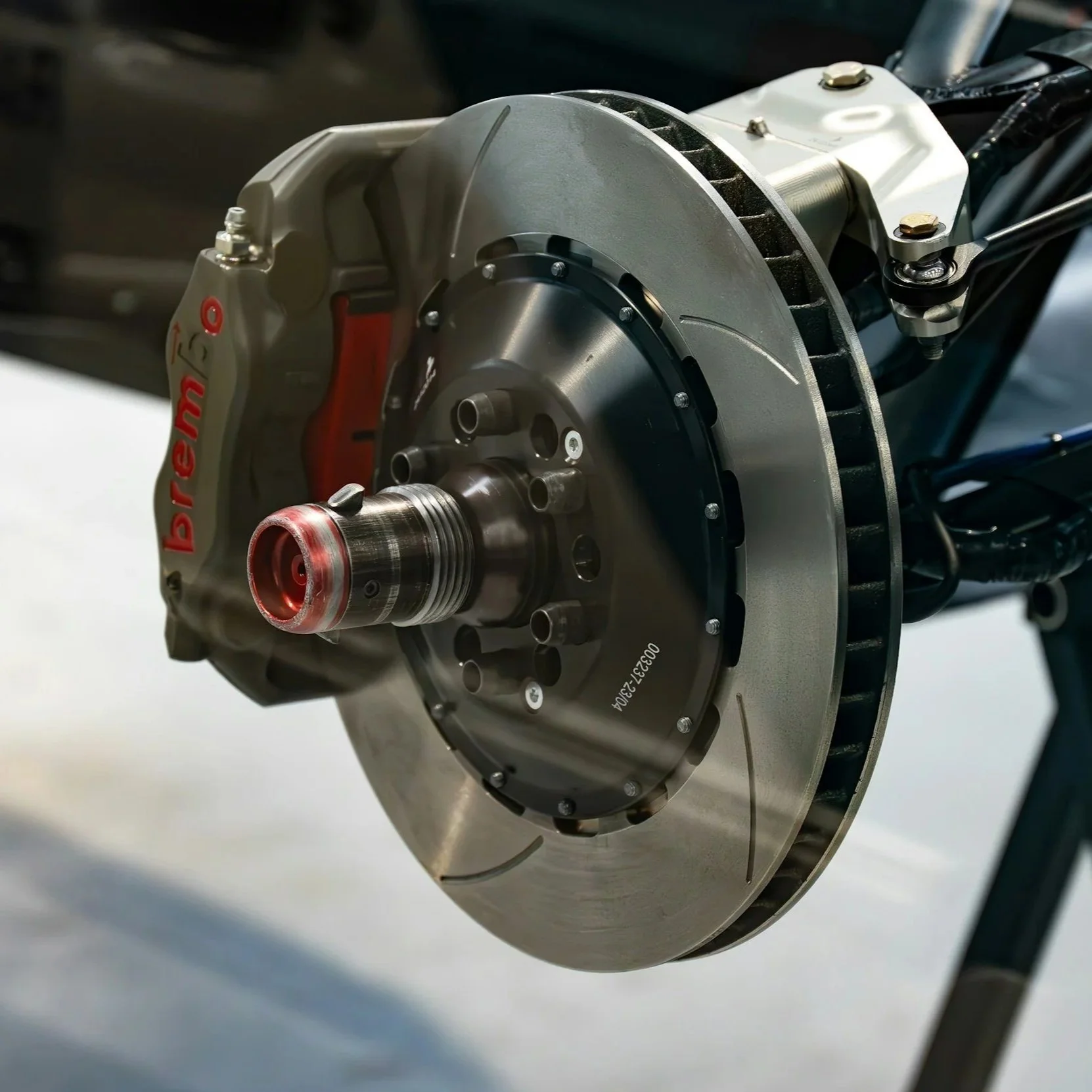
Every 30,000 to 70,000 miles, car owners face an unavoidable reality: their brake pads need replacing. Unlike discretionary purchases that customers can postpone, brake pads represent a non-negotiable safety requirement. When that squealing starts, buyers don't browse for months. They purchase immediately. For online sellers, this creates a recession-resistant opportunity in a market projected to reach $5.63 billion by 2030.
This guide breaks down exactly how to capitalize on this consistent demand, from sourcing decisions to platform selection and buyer targeting.
Executive Summary of Research
- Market Size: The global automotive brake pad market was valued at approximately $4.35 billion in 2025, growing at 5.28% CAGR through 2030
- Aftermarket Dominance: 63% of all brake pad sales occur in the aftermarket, driven by an average vehicle age exceeding 12 years in the US
- Material Leaders: Semi-metallic pads hold 47% market share; ceramic pads represent the fastest-growing segment at 5.92% CAGR
- Platform Winners: Amazon leads in volume, eBay excels for classic and luxury vehicles, Walmart offers emerging opportunity with lower competition
- Sourcing Reality: Factory prices range from $2.20 to $50+ per set depending on quality tier and MOQ commitments
- Profit Potential: Achievable margins range from 15-25% on budget pads to 50-65% on premium and specialty applications
- Best Entry Point: Private label ceramic pads for popular sedan applications (Honda Accord, Toyota Camry, Ford F-150)
- Seasonal Peak: Spring maintenance season (March through May) drives 45% higher search traffic than baseline
- Competition Level: High on commodity products; lower barriers exist in luxury, classic, and performance niches
1. Introduction: Understanding the Brake Pad Market
Defining the Category
Brake pads are friction materials mounted in brake calipers that press against brake rotors to slow or stop a vehicle. They are classified as essential safety components and represent one of the most frequently replaced automotive wear items. The category spans passenger vehicles, light trucks, commercial vehicles, and two-wheelers.
Market Landscape and Historical Evolution
The brake pad industry has undergone significant transformation over the past several decades. Early brake pads relied heavily on asbestos-based formulations, which provided excellent heat resistance but presented serious health concerns. Regulatory changes in the 1990s forced manufacturers to develop alternative materials, leading to the diversification we see today.
The 2000s brought increased emphasis on noise reduction and dust control, giving rise to ceramic formulations. More recently, environmental regulations including the 2025 copper ban (limiting copper content to 0.5% in brake pads) have driven innovation in eco-friendly compounds. The European Union's Euro 7 standards, focusing on brake dust emissions, continue to push the industry toward cleaner technologies.
Key Industry Innovators:
- Brembo S.p.A. (Italy): Premium performance and OEM supplier, known for carbon ceramic systems
- Akebono Brake Corporation (Japan): Major OEM supplier with strong ceramic technology portfolio
- Robert Bosch GmbH (Germany): Technology leader in friction materials and integrated braking systems
- TMD Friction (Germany): Specializes in low-dust formulations under brands like Textar and Mintex
- Power Stop (USA): Aftermarket leader in performance upgrade kits
Product Types, Segments, and Price Ranges
Brake pads are segmented by material composition, with each type serving different driving needs:
Semi-Metallic Brake Pads
Material: 30-65% metal content (steel, iron, copper) mixed with graphite and friction modifiers. Characteristics: Excellent heat dissipation, durable, higher noise levels, more brake dust. Best For: Heavy-duty applications, trucks, towing, performance driving. Price Range: $18 to $45 per axle set. Market Share: Approximately 47% of total market.
Ceramic Brake Pads
Material: Kiln-fired ceramic compounds with copper fibers (transitioning to copper-free). Characteristics: Quiet operation, low dust, consistent performance, gentler on rotors. Best For: Daily drivers, luxury vehicles, commuter cars. Price Range: $25 to $80 per axle set. Market Share: Approximately 25% and growing at 5.92% CAGR.
Non-Asbestos Organic (NAO) Pads
Material: Glass, rubber, carbon, and Kevlar fibers with organic binders. Characteristics: Quietest operation, softest compound, fastest wear, lowest cost. Best For: Light driving, city commuting, older vehicles. Price Range: $12 to $30 per axle set. Market Share: Declining but still significant in budget segment.
Low-Metallic NAO Pads
Material: Organic base with 10-30% metal content. Characteristics: Balance of performance and comfort, moderate noise and dust. Best For: Mixed driving conditions, general purpose replacement. Price Range: $20 to $50 per axle set.
Performance and Carbon Ceramic Pads
Material: Carbon fiber infused compounds, high-temperature formulations. Characteristics: Maximum stopping power, track-rated durability, premium pricing. Best For: Sports cars, track days, high-performance applications. Price Range: $70 to $200+ per axle set.
Popular Brands and Private Labels:
Premium Tier: Brembo, Akebono, StopTech, Hawk Performance, EBC Brakes
Mid-Market: Power Stop, Wagner, Bosch, ACDelco, Raybestos
Value Tier: Bendix, Centric, Detroit Axle, TRQ, SCITOO
Sourcing Cost Analysis and Landed Cost Estimation
The following breakdown provides a framework for calculating fully landed costs when sourcing brake pads from manufacturers or wholesalers. These estimates use standard assumptions for a seller based in the United States importing from Chinese manufacturers.
| Cost Component | Economy Ceramic | Mid-Grade Ceramic | Premium OEM | Performance |
|---|---|---|---|---|
| Factory & Order Requirements | ||||
| Factory Price (FOB) | $2.50 - $4.00 | $4.00 - $8.00 | $12.00 - $25.00 | $25.00 - $50.00 |
| MOQ per Model | 100 sets | 50 sets | 50 sets | 20 sets |
| Total Order MOQ | 2,000 sets | 2,000 sets | 500 sets | 200 sets |
| Shipping & Import Costs | ||||
| Sea Freight | $0.30 - $0.50 | $0.30 - $0.50 | $0.40 - $0.60 | $0.50 - $0.80 |
| Import Duties (6.5%) | $0.16 - $0.26 | $0.26 - $0.52 | $0.78 - $1.63 | $1.63 - $3.25 |
| Customs Clearance | $0.10 - $0.15 | $0.10 - $0.15 | $0.15 - $0.25 | $0.20 - $0.30 |
| Domestic Freight | $0.15 - $0.25 | $0.15 - $0.25 | $0.20 - $0.35 | $0.25 - $0.40 |
| Operational Costs | ||||
| Quality Inspection | $0.05 - $0.10 | $0.08 - $0.15 | $0.15 - $0.25 | $0.20 - $0.35 |
| Packaging/Labeling | $0.20 - $0.40 | $0.30 - $0.50 | $0.50 - $1.00 | $0.75 - $1.50 |
| Warehousing (30 days) | $0.10 - $0.20 | $0.10 - $0.20 | $0.15 - $0.25 | $0.20 - $0.30 |
| Insurance (0.5%) | $0.01 - $0.02 | $0.02 - $0.04 | $0.06 - $0.13 | $0.13 - $0.25 |
| TOTAL LANDED COST | $3.57 - $5.88 | $5.31 - $10.31 | $14.39 - $29.46 | $28.86 - $57.15 |
| Suggested Retail | $15 - $22 | $28 - $45 | $55 - $90 | $85 - $165 |
| Target Margin | 60 - 75% | 55 - 70% | 50 - 65% | 45 - 65% |
2. Marketplace Sales Opportunity Analysis
Opportunity Score Legend
8-10 (High): Strong buyer demand, lower seller competition, higher profit potential
5-7 (Medium): Moderate demand and competition, balanced opportunity
1-4 (Low): High competition or low demand, challenging entry point
| Marketplace | Opportunity Score | Product Segment | Est. Weekly Units | Est. Weekly Revenue | Avg. Price Range | Est. Profit Margin |
|---|---|---|---|---|---|---|
| Amazon | 8 | Ceramic Brake Pads (Popular Sedans) | 2,500 - 4,000 | $87,500 - $160,000 | $25 - $45 | 25% - 35% |
| 6 | Semi-Metallic Brake Pads | 1,800 - 3,000 | $36,000 - $75,000 | $18 - $30 | 20% - 30% | |
| 9 | Truck and Tow Heavy Duty Pads | 1,200 - 2,000 | $72,000 - $140,000 | $55 - $85 | 35% - 45% | |
| 8 | Complete Brake Kits (Pads + Rotors) | 800 - 1,500 | $96,000 - $225,000 | $120 - $180 | 30% - 40% | |
| 7 | Performance Carbon Ceramic | 400 - 700 | $32,000 - $70,000 | $75 - $120 | 40% - 50% | |
| eBay | 9 | Classic Car Brake Pads (Pre-2000) | 600 - 1,000 | $30,000 - $60,000 | $45 - $75 | 45% - 60% |
| 7 | OEM Replacement Pads | 1,500 - 2,500 | $52,500 - $100,000 | $30 - $50 | 25% - 35% | |
| 6 | Budget Aftermarket Pads | 2,000 - 3,500 | $30,000 - $63,000 | $12 - $22 | 15% - 25% | |
| 8 | Luxury Vehicle Brake Pads | 350 - 600 | $35,000 - $72,000 | $90 - $150 | 50% - 65% | |
| Walmart | 8 | Budget Ceramic Pads | 1,000 - 1,800 | $20,000 - $45,000 | $18 - $28 | 20% - 30% |
| 7 | Mid-Range Complete Kits | 500 - 900 | $47,500 - $108,000 | $95 - $140 | 25% - 35% | |
| 6 | Value Semi-Metallic Pads | 800 - 1,400 | $12,000 - $28,000 | $15 - $22 | 18% - 25% | |
| Shopify/DTC Stores | 9 | Private Label Premium Ceramic | 200 - 500 | $14,000 - $45,000 | $60 - $100 | 50% - 65% |
| 8 | Vehicle-Specific Bundles | 150 - 350 | $22,500 - $70,000 | $150 - $220 | 45% - 55% | |
| 7 | Track Day Performance Pads | 80 - 180 | $9,600 - $27,000 | $110 - $165 | 40% - 55% | |
| Specialty Auto Parts Sites | 4 | Standard Replacement Pads | 3,000 - 5,000 | $45,000 - $100,000 | $15 - $25 | 8% - 15% |
| 5 | Fleet and Commercial Pads | 1,500 - 2,800 | $37,500 - $84,000 | $22 - $35 | 12% - 20% | |
| Emerging Channels (TikTok Shop, Instagram) | 9 | DIY Brake Upgrade Kits | 100 - 300 | $15,000 - $54,000 | $140 - $200 | 45% - 60% |
| 7 | Beginner Friendly Starter Sets | 150 - 400 | $11,250 - $36,000 | $70 - $100 | 35% - 45% |
Data Confidence: Estimates are based on industry reports, marketplace research, and seller community insights. Weekly unit sales and revenue figures represent market-wide estimates across all sellers in the segment.
Opportunity Score Methodology: Scores calculated based on buyer demand signals (search volume, purchase frequency), seller saturation levels, achievable profit margins, and platform growth trajectory.
Profit Margins: Estimated net margins after marketplace fees, shipping, and returns. Actual margins vary based on sourcing costs, fulfillment method, and seller performance metrics.
Sources: Data compiled from Mordor Intelligence, GM Insights, marketplace seller tools, and industry pricing analysis (December 2024).
Amazon remains the volume leader with the highest overall sales potential. Ceramic pads for popular sedans and truck/tow heavy-duty applications score highest due to strong search demand and consistent conversion rates. Competition is intense on commodity products, making differentiation through branding, packaging, and customer service essential.
eBay excels in niches where fitment expertise matters most. Classic car brake pads and luxury vehicle applications offer the highest margins due to lower seller saturation and buyers willing to pay premium prices for verified compatibility. The platform's no-listing-fee structure benefits sellers testing new SKUs.
Walmart Marketplace represents an emerging opportunity with lower competition than Amazon. Budget-conscious buyers appreciate value-oriented ceramic and semi-metallic options. The platform's expansion into automotive parts has accelerated, though seller requirements are more stringent.
Shopify and DTC Stores offer the highest margin potential for sellers willing to build brand presence. Private label premium ceramic pads and vehicle-specific bundles can achieve 50-65% margins. Customer acquisition costs are higher, but lifetime value and brand equity provide long-term advantages.
Specialty Auto Parts Sites like RockAuto operate on thin margins (8-15%) and high volume. New sellers face significant challenges competing on price alone, making this channel better suited for established distributors with direct manufacturer relationships.
Emerging Social Commerce (TikTok Shop, Instagram) shows promise for DIY upgrade kits targeting younger audiences. Visual demonstration of brake pad installation and performance creates engagement that traditional listings cannot match.
3. Buyer Demand and Keyword Trends Analysis
Main Buyer Personas
The DIY Weekend Warrior (55% of aftermarket sales)
Demographics: 28-55 years old, homeowners with garage space, moderate to high mechanical aptitude. Vehicles: 5-12 year old popular models (Honda Accord, Toyota Camry, Ford F-150, Chevy Silverado). Behavior: Researches extensively before purchase, watches YouTube tutorials, price-conscious but values quality. Values: Clear fitment data, included hardware, low dust, quiet operation, good reviews. Average Purchase: $150-300 for complete brake job (pads + rotors), purchases every 3-5 years.
Performance Pete (15% of sales, 25% of profit)
Demographics: 22-45, higher disposable income, brand-conscious enthusiasts. Vehicles: Sports cars, modified vehicles, track day specials. Behavior: Brand-driven, community-influenced, willing to pay premium for proven performance. Values: Stopping power, fade resistance, brand reputation, professional endorsements. Average Purchase: $200-500 for performance upgrade, repeat customer.
Fleet Manager Frank (10% of sales, high complexity)
Demographics: Commercial fleet operators, taxi companies, delivery services. Vehicles: High-mileage commercial applications. Behavior: Contract-based purchasing, specification-driven, total cost focused. Values: Predictable lifespan, consistent pricing, reliable supply, warranty terms. Average Purchase: Bulk orders of 50-500 sets at negotiated rates.
The Procrastinator Paul (20% of sales)
Demographics: Any age, limited mechanical knowledge. Vehicles: Any vehicle with urgent brake needs. Behavior: Searches when problem becomes unavoidable, needs immediate solutions. Values: Fast shipping, easy returns, reassurance of quality. Average Purchase: $80-200, often overpays due to urgency.
Search Volume and Keyword Data
Google Trends analysis reveals consistent search interest with seasonal patterns:
High-Volume Primary Keywords:
- "brake pads" (base term, consistent year-round interest)
- "ceramic brake pads" (growing 15% annually)
- "best brake pads" (comparison shopping intent)
- "brake pads and rotors" (complete job intent)
Vehicle-Specific Long-Tail Terms (high conversion):
- "2019 Honda Accord brake pads" (model-specific fitment)
- "Ford F-150 brake pads and rotors kit"
- "Toyota Camry ceramic brake pads"
- "Silverado 1500 heavy duty brake pads"
Brand-Specific Searches:
- "Power Stop Z23" (performance upgrade seekers)
- "Bosch QuietCast" (quality-focused buyers)
- "Wagner ThermoQuiet" (noise-conscious customers)
- "Akebono ceramic" (OEM quality seekers)
Problem-Based Searches (high urgency):
- "brake pads squeaking"
- "how to know when to replace brake pads"
- "brake dust on wheels"
- "quiet brake pads"
Seasonal Patterns
Spring Peak (March through May): 45% above baseline search volume. Post-winter road conditions expose brake wear, and warmer weather enables garage work. Smart sellers stock up in February.
Summer Steady (June through August): Road trip season maintains moderate demand. Performance and track-oriented pads see upticks.
Fall Preparation (September through November): Winter readiness drives purchases of all-weather compounds. Fleet operators place annual orders.
Winter Dip (December through February): Lowest search volume, but opportunity for clearance pricing and inventory building.
Community Insights and Consumer Feedback
Analysis of Reddit discussions, automotive forums (BobIsTheOilGuy, Silverado/Sierra Forum), and review patterns reveals consistent themes:
Common Complaints That Create Opportunities:
- Brake dust ruining wheel appearance (solution: low-dust ceramic formulations)
- Squeaking after installation (solution: kits with proper shims and hardware)
- Uncertainty about fitment (solution: verified compatibility data in listings)
- Confusing brand options (solution: clear comparison content)
- Poor quality control in budget brands (solution: mid-tier private label with QC)
Features Consumers Value Most:
- Quiet operation (no squeaking or squealing)
- Low dust production (clean wheels)
- Included hardware and lubricant for complete installation
- Verified fitment with VIN or year/make/model lookup
- Reasonable lifespan (30,000+ miles)
- Brand reputation and reviews
Emerging Consumer Preferences:
- Copper-free formulations (2025 legislation awareness spreading)
- EV-compatible pads (regenerative braking considerations)
- Eco-friendly packaging
- Video installation guides linked from product pages
4. Sources and References
Mordor Intelligence, Automotive Brake Pad Market Report, Industry Analysis, Size and Forecast 2025-2030
GM Insights, Automotive Brake Pads Market Size, Forecasts Report 2024-2032
Emergen Research, Brake Pads Market Sector Analysis and Growth Potential 2024-2034
SkyQuest Technology, Global Automotive Brake Pads Market Analysis 2024-2032
Market.us, Automotive Brake Pad Market Size, Share, CAGR of 5.7%
The Business Research Company, Automotive Brake Pads Market Report 2025
Alibaba.com, Brake Pad Manufacturers in China, Supplier Directory
X-Cart, Where to Sell Auto Parts: Amazon vs eBay Motors vs Walmart, 2025
RevolutionParts, Selling OEM Auto Parts Online and Margin Analysis
The Drive, Best Brake Pads Review and Buying Guide, 2024
Disclaimer: The sales estimates, margin projections, and opportunity scores presented in this analysis are based on publicly available market research, industry reports, and marketplace observations. Actual results will vary based on product quality, pricing strategy, marketing execution, and competitive conditions. Sellers should conduct their own due diligence and testing before making significant inventory investments.