
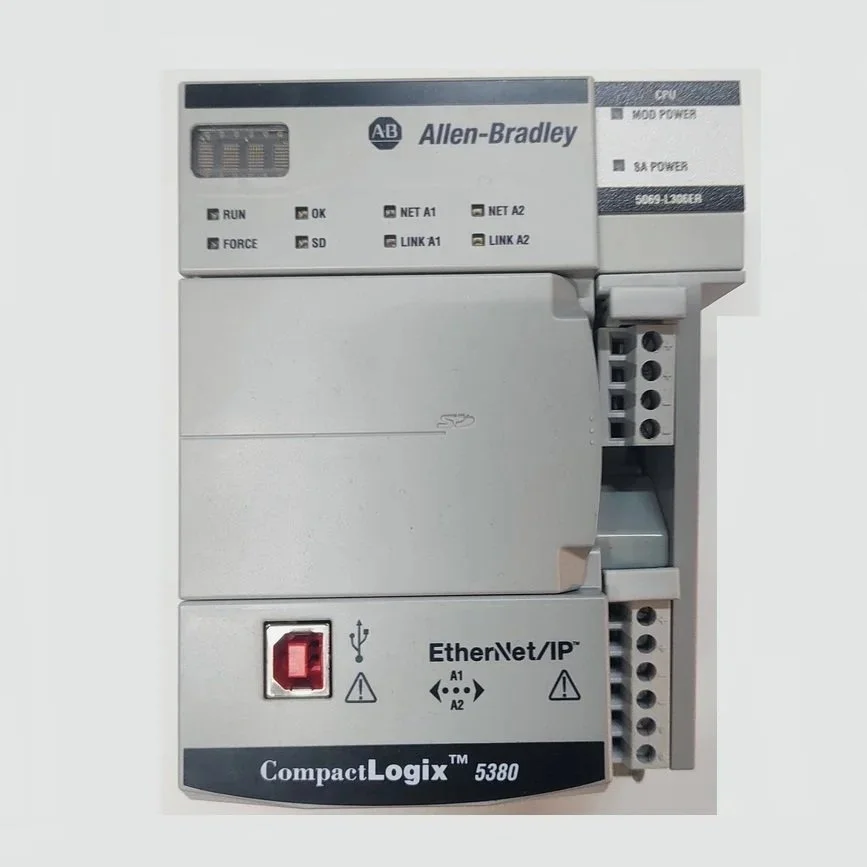
Programmable Logic Controllers Research Summary
Global PLC market size: $11.7-16.3 billion in 2024, growing at 4-10% CAGR through 2030-2034
Highest opportunity segments: Used/surplus PLCs on eBay (9/10), PLC training kits on Amazon (8/10), Chinese brand PLCs via DTC (8/10)
Top margin opportunities: Legacy/obsolete PLCs (40-60% margins), spare parts and modules (40-65% margins), training bundles (45-65% margins)
Best entry point for new sellers: Micro/Nano PLCs ($80-$250 price range) and PLC accessories/modules
Fastest-growing categories: AI-enabled PLCs (12%+ of new units), nano PLCs (8.6% CAGR), edge computing PLCs (58% of new installations)
Key buyer personas: Maintenance technicians seeking replacements, automation engineers upgrading systems, students/hobbyists learning PLC programming
Regional focus: North America dominates premium sales; Asia-Pacific fastest growing with 35%+ market share
Emerging opportunity: Chinese domestic brands (Inovance, Xinje) priced 30-50% below Western equivalents
1. Introduction: Understanding the PLC Market
What Is a Programmable Logic Controller?
A Programmable Logic Controller (PLC) is a ruggedized industrial computer designed to automate manufacturing processes, machinery, and production lines. Think of it as the "brain" of factory automation—receiving inputs from sensors and switches, processing programmed logic, and controlling outputs like motors, valves, and indicators.
PLCs replaced hardwired relay systems starting in the late 1960s, and today they're indispensable across virtually every industrial sector. From automotive assembly lines to food processing plants, water treatment facilities to oil refineries, PLCs ensure precision, reliability, and efficiency in automated operations.
Market Landscape and Historical Evolution
The PLC industry has transformed dramatically since Modicon introduced the first commercial PLC in 1968. What began as simple relay replacement has evolved into sophisticated computing platforms integrating AI, IoT connectivity, and edge analytics.
Key market evolution milestones:
The 1970s-1980s saw PLCs replacing relay logic across manufacturing, while the 1990s-2000s brought modular architectures, ethernet connectivity, and standardized programming languages (IEC 61131-3). The 2010s ushered in compact/nano PLCs for smaller applications, and the 2020s have delivered Industry 4.0 integration, cloud connectivity, AI-enabled controllers, and virtual/soft PLCs.
Today's market reflects this evolution: modular systems captured 42.1% of market share in 2024, while soft PLC solutions are growing at 7.5% CAGR. The nano PLC segment shows the fastest hardware growth at 8.6% CAGR, driven by SME automation needs.
Recent Trends Driving Demand
Several macro trends are accelerating PLC adoption globally. Industry 4.0 adoption jumped to 78% among German manufacturers in 2024, up from 65% in 2023. The EV manufacturing boom is driving automotive PLC demand toward $2.3 billion by 2034. Government digitalization incentives have proliferated, with the EU earmarking €1.3 billion for SME automation in 2024. Additionally, labor cost inflation is pushing small factories toward automation, with 45% annual growth in SME automation in developing markets.
The integration of AI and IoT has reshaped PLC capabilities. Over 12% of new PLCs sold in 2023 featured AI capabilities, enabling 25% faster machine response times. Meanwhile, 58% of newly installed units came with built-in edge analytics, signaling a shift toward decentralized intelligence.
Product Types, Segments, and Price Ranges
By Size/Architecture:
Nano PLCs are the smallest controllers with limited I/O (4-16 points), ideal for single-machine control. They typically cost $50-200 and feature the fastest growth segment at 8.6% CAGR. Example applications include small conveyors and packaging machines.
Micro PLCs offer 16-128 I/O points with compact all-in-one designs, priced at $150-600. They're popular for standalone machines and small production cells, with common uses in material handling and batch processing.
Compact PLCs provide fixed I/O configurations with limited expansion capability at $300-1,500. They're best for medium-complexity applications where space is constrained.
Modular PLCs feature expandable rack-based systems with interchangeable modules, ranging from $800-$10,000+. They dominate the market at 42.1% share and are ideal for complex, scalable industrial processes.
Large/Rack-mounted PLCs deliver high processing power and extensive I/O capacity for $3,000-50,000+. They're used in plant-wide control and complex manufacturing systems.
By Application/End-User:
The energy and utilities sector leads with 31.8% market share, followed by automotive manufacturing growing at 9.2% CAGR. Manufacturing holds 20.9% share, aerospace and defense generates $1.1 billion annually, and food and beverage remains a steady, compliance-driven market.
Leading Brands and Market Share
Global Market Leaders (approximately 60% combined share):
Siemens holds 30-40% global market share with their SIMATIC series, which is particularly dominant in Europe and Asia. They're known for robust performance, excellent software ecosystem (TIA Portal), and premium pricing.
Rockwell Automation/Allen-Bradley holds 20-25% share with particular strength in North America (60-70% regional share). They offer user-friendly programming and excellent integration with FactoryTalk software.
Mitsubishi Electric with their MELSEC series is dominant in Japan and strong across Asia. They offer a good balance of performance and price.
Schneider Electric's Modicon PLCs hold strong positions in Europe (French heritage). They feature excellent EcoStruxure platform integration and focus on energy management applications.
ABB, Omron, and other players round out the market with specialized strengths in specific regions or applications.
Emerging Chinese Brands:
Inovance has emerged as China's largest domestic brand, with their servo motors capturing 23% market share in 2024. They offer 20-30% cost savings versus Western equivalents.
Xinje appeals to cost-conscious buyers with PLCs priced 30-50% below Mitsubishi equivalents, holding 15% of China's small PLC market.
Delta Electronics, originally Taiwanese, has a strong presence in Asia with comprehensive automation portfolios spanning PLCs, drives, and HMIs.
These Chinese brands present significant sourcing opportunities for sellers targeting price-sensitive markets.
2. Marketplace Sales Opportunity Analysis
Opportunity Score Guide
| Marketplace | Opportunity Score | Product Segment | Est. Weekly Units | Est. Weekly Revenue | Avg. Price Range | Est. Profit Margin |
|---|---|---|---|---|---|---|
| Amazon | 7 | Micro/Nano PLCs(High confidence) | 850-1,200 | $127,500 - $180,000 | $80 - $250 | 25-35% |
| 6 | Compact PLCs(High confidence) | 400-650 | $140,000 - $260,000 | $250 - $600 | 20-30% | |
| 8 | PLC Training Kits(Medium confidence) | 300-500 | $45,000 - $100,000 | $150 - $400 | 30-45% | |
| 5 | Modular PLCs(Medium confidence) | 150-300 | $150,000 - $450,000 | $800 - $2,500 | 15-25% | |
| 7 | I/O Modules & Accessories(High confidence) | 1,500-2,500 | $112,500 - $250,000 | $50 - $200 | 25-40% | |
| eBay | 8 | Used/Surplus PLCs(High confidence) | 600-900 | $180,000 - $360,000 | $150 - $800 | 35-55% |
| 7 | Legacy/Obsolete PLCs(High confidence) | 200-400 | $100,000 - $320,000 | $300 - $1,500 | 40-60% | |
| 6 | New Compact PLCs(Medium confidence) | 250-400 | $75,000 - $160,000 | $200 - $600 | 18-28% | |
| 9 | Spare Parts & Modules(High confidence) | 2,000-3,500 | $140,000 - $350,000 | $40 - $250 | 40-65% | |
| Walmart Marketplace | 4 | Entry-Level PLCs(Low confidence) | 50-120 | $7,500 - $24,000 | $100 - $300 | 15-25% |
| 3 | Educational Kits(Low confidence) | 30-80 | $4,500 - $16,000 | $120 - $250 | 20-30% | |
| Shopify / DTC Stores | 8 | Chinese Brand PLCs (Inovance, Xinje)(Medium confidence) | 200-400 | $30,000 - $80,000 | $90 - $350 | 35-50% |
| 7 | Bundled Automation Kits(Medium confidence) | 100-250 | $50,000 - $175,000 | $400 - $1,200 | 30-45% | |
| 9 | Training Courses + Hardware(Medium confidence) | 150-350 | $52,500 - $175,000 | $300 - $800 | 45-65% | |
| 6 | Premium/OEM PLCs(Low confidence) | 50-120 | $75,000 - $240,000 | $1,000 - $3,500 | 12-22% | |
| Industrial B2B (Alibaba, ThomasNet) | 7 | Bulk Micro/Compact PLCs(Medium confidence) | 500-1,000 | $75,000 - $200,000 | $60 - $300 | 20-35% |
| 6 | OEM/White Label PLCs(Medium confidence) | 300-600 | $90,000 - $240,000 | $200 - $600 | 25-40% | |
| 5 | Complete Automation Systems(Low confidence) | 20-60 | $100,000 - $420,000 | $3,000 - $15,000 | 15-30% | |
| Specialty Industrial (AutomationDirect, Surplus Record) | 6 | New Budget PLCs(Medium confidence) | 400-700 | $80,000 - $210,000 | $150 - $450 | 18-28% |
| 8 | Refurbished Industrial PLCs(High confidence) | 300-550 | $120,000 - $330,000 | $300 - $1,200 | 35-55% |
Data Notes & Methodology
- Estimates basis: Compiled from industry reports, marketplace research, and category analysis (2024-2025 data)
- Weekly units: Estimated based on market size data and platform traffic patterns
- Profit margins: Pre-overhead estimates; actual margins depend on sourcing, fulfillment, and volume
- Confidence levels: High = verified marketplace data; Medium = industry extrapolation; Low = limited data available
- Opportunity Score: Calculated from demand volume, competition density, margin potential, and market growth trajectory
Platform-by-Platform Breakdown
Amazon: The Volume Play
Amazon serves as the primary discovery platform for PLC buyers, particularly in micro/nano segments and educational products. The platform excels at entry-level hardware ($80-600), training kits and educational bundles, I/O modules and accessories, and serving hobbyist/student market segments.
The challenge on Amazon lies in competition from Chinese sellers with aggressive pricing, so margin protection requires strong branding or bundle differentiation. Training kits score highest (8/10 opportunity) due to lower competition and higher margins (30-45%).
eBay: The Margin Opportunity
eBay represents the strongest opportunity for experienced industrial sellers, particularly in the used and surplus equipment segment. Spare parts and modules score 9/10 with exceptional 40-65% margins. Legacy and obsolete PLCs command premium prices, often 40-60% margins on discontinued units still in industrial use. The used and surplus category benefits from manufacturing upgrades creating steady supply of working equipment.
eBay buyers tend to be maintenance professionals and plant operators seeking specific replacement parts or budget-conscious automation. The auction format works well for rare or obsolete units.
Shopify/DTC: The Brand Building Channel
Direct-to-consumer stores offer the highest margin potential for sellers who can build brand authority. Chinese brand distribution through exclusive partnerships with Inovance, Xinje, or Delta distributors offers 35-50% margins. Training courses bundled with hardware represent the highest-margin segment at 45-65%. Bundled automation kits with curated packages for specific applications score 7/10 opportunity.
Success requires content marketing and technical credibility. This channel rewards long-term brand building over quick sales.
Industrial B2B Platforms (Alibaba, ThomasNet):
These platforms serve bulk/wholesale opportunities and OEM relationships. They work best for sellers with established supply chain capabilities and suit high-volume, lower-margin business models.
Walmart Marketplace:
Currently a low-opportunity channel for PLCs (scores 3-4/10). The platform lacks the technical buyer base found on Amazon or industrial channels. May improve as Walmart expands B2B capabilities.
Highest-Opportunity Segments Summary
The best opportunities by opportunity score include eBay spare parts and modules at 9/10, Shopify training courses with hardware at 9/10, eBay used/surplus PLCs and Amazon PLC training kits at 8/10, and Shopify Chinese brand PLCs along with eBay legacy PLCs at 7-8/10.
3. Buyer Demand and Keyword Trends Analysis
Primary Buyer Personas
Persona 1: The Maintenance Technician ("Mike the Maintainer")
Mike is 35-55 years old with 5-20 years of industrial experience. He holds an associate degree in electronics, mechatronics, or industrial technology. His role involves maintaining and repairing automated equipment in manufacturing plants.
What Mike values most: reliability and compatibility with existing systems, quick availability (downtime is costly), proven brands he already knows how to program, clear documentation and technical support, and competitive pricing for budget justification. His typical purchases include replacement parts, I/O modules, backup PLCs for spares inventory, and programming cables and accessories.
Search terms Mike uses: "[brand] PLC replacement," "Allen Bradley 1756 module," "Siemens S7-1200 spare," "used [model number]," "PLC troubleshooting."
Persona 2: The Controls Engineer ("Carlos the Controls Engineer")
Carlos is 28-45 years old with a bachelor's or master's degree in electrical or mechanical engineering. He works as an automation engineer, controls engineer, or systems integrator.
What Carlos values most: technical specifications and performance data, integration capabilities with existing systems, programming software features and support, scalability for future expansion, and vendor technical support and training resources. His typical purchases include new PLCs for projects, development kits, software licenses, and complete automation packages.
Search terms Carlos uses: "best PLC for [application]," "PLC comparison [brand] vs [brand]," "EtherCAT PLC," "modular PLC system," "IEC 61131-3 programming."
Persona 3: The Student/Hobbyist ("Sam the Student")
Sam is 18-35 years old, either enrolled in a technical program or self-taught with a career-change goal. Their role involves learning PLC programming for career advancement or personal projects.
What Sam values most: affordable entry point, comprehensive learning resources, industry-relevant brands for resume building, hands-on practice capability, and community support and tutorials. Typical purchases include training kits, educational bundles, simulation software, and entry-level PLCs.
Search terms Sam uses: "PLC training kit," "learn PLC programming," "cheap PLC for learning," "Allen Bradley starter kit," "Arduino PLC."
Persona 4: The Small Business Operator ("Omar the OEM Builder")
Omar is 30-50 years old and owns or operates a small manufacturing business. He's not an automation expert but needs solutions. His purchasing driver is simple: reducing labor costs and improving consistency.
What Omar values most: ease of implementation, cost-effectiveness, reliable supplier relationships, local support and service, and proven solutions for his specific application. Typical purchases include compact PLCs, pre-programmed solutions, and turnkey automation packages.
Search terms Omar uses: "small business automation," "simple PLC controller," "affordable factory automation," "PLC for [specific machine type]."
Search Volume and Google Trends Analysis
Primary Keywords (Estimated Monthly U.S. Search Volume):
The term "PLC" pulls in 90,000-110,000 monthly searches, though this includes other meanings such as Public Limited Company. More specific terms like "programmable logic controller" see 14,000-18,000 searches, while "PLC programming" hits 12,000-15,000. "Allen Bradley PLC" generates 8,000-12,000 searches and "Siemens PLC" pulls 6,000-9,000. Product-specific terms like "PLC training kit" see 2,500-4,000 searches and "micro PLC" hits 1,500-2,500.
Trends Observations:
Search interest for PLC-related terms has remained stable over the past five years, with slight upticks during Industry 4.0 marketing cycles. Notable trend increases appear for "Arduino PLC" (growing interest in open-source alternatives), "PLC cybersecurity" (following industrial security concerns), and "AI PLC" or "smart PLC" (emerging category).
Seasonal Patterns:
PLC purchases show a B2B pattern with slight dips during holiday periods (December, July-August). Year-end budget spending creates Q4 uplift for capital equipment purchases. Trade show seasons (spring, fall) generate research spikes.
Rising and Declining Search Queries
Rising Queries:
Growing searches include "Arduino Opta PLC" (new open-source industrial controller), "PLC cybersecurity" (up 34% in incidents per CISA), "edge computing PLC," "virtual PLC" or "soft PLC," "PLC cloud integration," and "Chinese PLC brands."
Declining/Stable Queries:
Terms holding steady or declining include "PLC ladder logic" (mature topic with stable interest), "Modicon PLC" (legacy brand awareness declining), and "PLC relay replacement" (market fully converted).
Community Forum Insights
Reddit Discussions (r/PLC, r/automation):
Common themes in community discussions center on brand debates with strong Allen Bradley loyalty in North America versus Siemens elsewhere. Complaints about software licensing costs appear frequently (TIA Portal, Studio 5000). There's growing interest in low-cost alternatives with questions about Chinese brands increasing. Career advice is popular with many users transitioning from electrician or maintenance roles to PLC programming.
PLCtalk.net Forum Insights:
Users frequently discuss training approaches, with a split between formal education and self-taught paths. DIY training kits are popular for learning, with used MicroLogix units mentioned as affordable options. Software costs are a significant barrier, with free simulation software sought. Brand familiarity drives purchasing, as users prefer brands they learned on.
Engineering Forums (Eng-Tips, Control.com):
Professional discussions emphasize local support as a key decision factor. Technical comparisons focus on specific application requirements. Legacy system support concerns drive used equipment market. Integration challenges between brands are a common pain point.
4. Strategic Recommendations for Sellers
Entry Strategy by Seller Type
For New Sellers with Limited Capital ($5K-15K starting budget):
Start with Amazon FBA for PLC accessories and I/O modules. Source from Alibaba with focus on compatibility with major brands. Target training kit and educational market with bundled offerings. Build expertise in one or two major platforms (Siemens or Allen Bradley).
For Established Industrial Sellers:
Expand to eBay for used and surplus equipment, focusing on margin opportunities. Develop Shopify DTC presence with technical content marketing. Consider exclusive distribution for Chinese brands in underserved markets. Add value through programming services or technical support.
For Resellers with Sourcing Advantages:
Focus on legacy and obsolete parts where margins are highest. Build relationships with manufacturing plants for equipment buyouts. Develop expertise in refurbishment and testing to command premium prices.
Sourcing Strategies
Direct from Manufacturers:
Chinese brands like Inovance and Xinje offer distributor programs. Alibaba provides access to factory-direct pricing, with minimum order quantities typically starting at 5-10 units. Consider attending Canton Fair or industrial automation exhibitions for direct relationships.
Surplus and Used Equipment:
Manufacturing plant closures and upgrades create inventory opportunities. Industrial auction houses like Surplus Record and Bid on Equipment are key channels. Building relationships with maintenance managers provides advance notice of equipment disposal.
Authorized Distribution:
For premium brands, authorized distributor status provides legitimacy but requires volume commitments. Consider sub-distribution arrangements with existing authorized distributors.
Competitive Differentiation Approaches
Sellers should focus on value-addition opportunities. Technical content and tutorials build trust with buyer personas. Programming services for specific applications create sticky relationships. Bundle creation combining PLCs with training, cables, and software adds value. Extended warranties and testing documentation justify premium pricing.
Niche specialization works well in this market. Focusing on specific industries like food and beverage or water treatment builds expertise. Platform specialization, such as "The Siemens Specialist," creates brand identity. Application focus on solutions for specific machinery types commands premium pricing.
Sources & References
The following sources were consulted in preparing this analysis:
Mordor Intelligence, PLC Market Share, Size & Growth Report 2024-2030
GM Insights, Programmable Logic Controller Market Size Report 2024-2034
IMARC Group, Programmable Logic Controller Market Size & Share 2024-2033
Fortune Business Insights, Programmable Logic Controller (PLC) Market Size 2024-2032
Technavio, Programmable Logic Controller Market Industry Analysis 2024-2029
Market Growth Reports, Programmable Logic Controller Market Size & Industry Report 2024-2033
Straits Research, Smart Factory Market Size & Outlook 2024-2033
Interact Analysis, PLC Market Share Analysis (referenced in industry publications)
Cybersecurity and Infrastructure Security Agency (CISA), ICS Incident Response Report 2024
Industry forums and communities including PLCtalk.net, r/PLC subreddit, Eng-Tips, and Control.com forums