
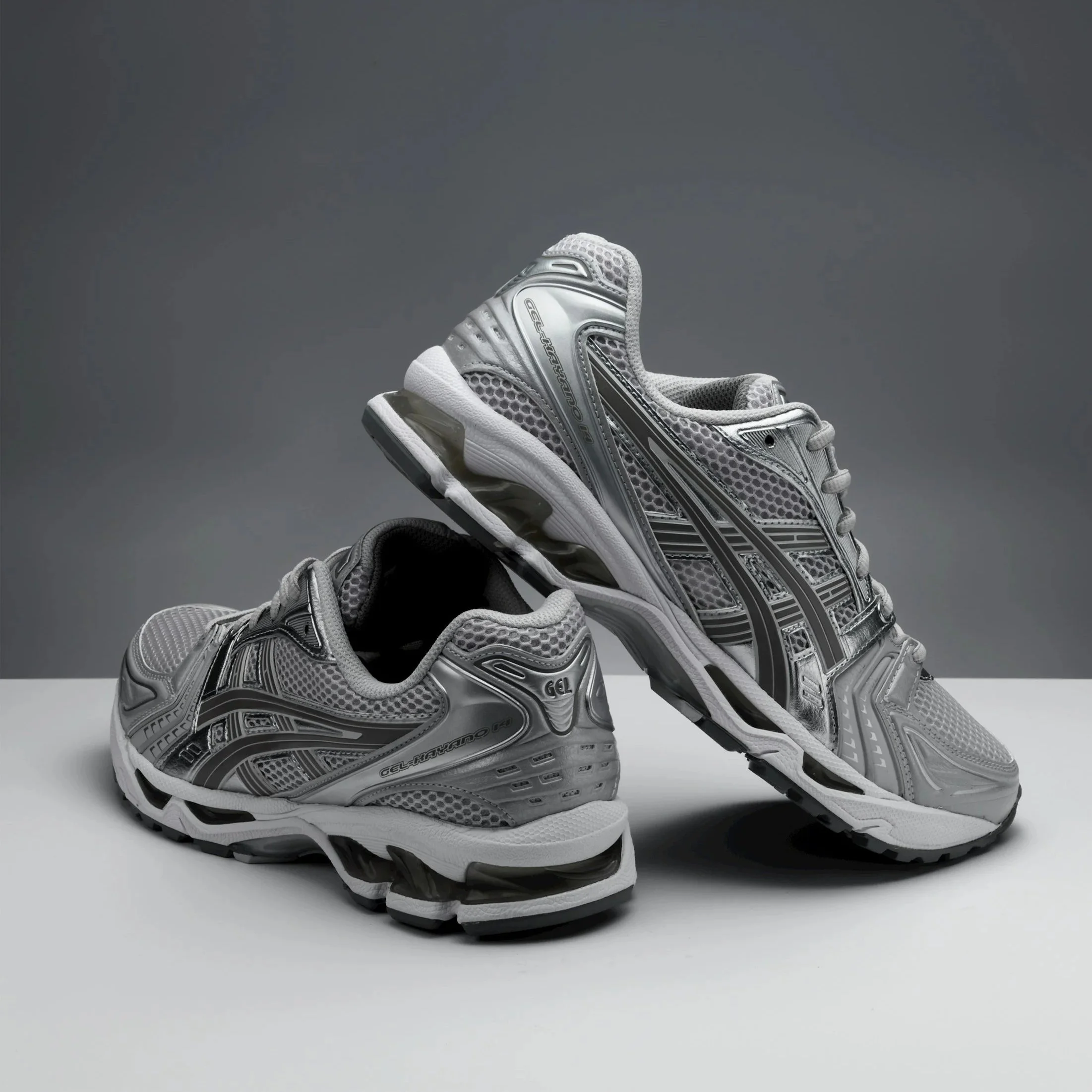
The running shoe industry is engaged in a materials arms race unlike anything seen in the previous forty years of the sport. What began as a simple question of shock absorption has evolved into a multi-billion dollar battle over foam chemistry, midsole geometry, and the nanoscale engineering of energy return. Nike, Asics, Hoka, On Running, New Balance, and Adidas each spend hundreds of millions annually developing proprietary compounds with names consumers now recognize as fluently as they once recognized Air or Gel. ZoomX. Boost. CloudTec. MetaRocker. FuelCell. Helion. These are not just marketing terms; they represent genuinely distinct engineering philosophies about what a running shoe should do to the human body in motion.
For a private label seller, understanding this landscape is not optional. The buyer who once asked "is this a good shoe?" now asks "what foam is it?" The cushioning technology a shoe uses determines its price positioning, its target audience, its durability claims, and ultimately whether a buyer trusts it enough to purchase without trying it on. This guide decodes every major cushioning system in use today, explains why it exists, and maps each technology to the sourcing decisions and profit outcomes that matter for building a competitive private label running shoe brand.
PART ONE: WHY CUSHIONING IS THE DEFINING VARIABLE IN RUNNING FOOTWEAR
The Biomechanics Case for Cushioning
Every footstrike in running generates a ground reaction force of two to three times body weight. For a 160-pound runner logging 30 miles per week, that translates to millions of impact events per year concentrated primarily in the heel, midfoot, and metatarsal heads. The midsole of a running shoe exists to mediate that force: to absorb enough impact to reduce joint loading while returning enough energy to support forward propulsion. Too little cushion and the musculoskeletal system absorbs excess load, increasing injury risk over time. Too much soft cushion without adequate energy return and the runner wastes effort with each stride, experiencing what biomechanists call high mechanical work at the shoe-ground interface.
The tension between protection and performance has driven every major cushioning innovation in the industry. It explains why a max-cushion shoe like the Hoka Bondi exists alongside an ultra-minimal racing flat. It explains why brands layer different foam densities in a single midsole. And it explains why buyers who have experienced running-related knee pain, plantar fasciitis, or stress fractures are among the most engaged and brand-loyal consumers in all of footwear - because the right shoe, for them, is not a preference but a health decision.
The Stability Dimension
Cushioning does not operate alone. How a shoe manages lateral motion, heel roll, and pronation during the gait cycle is inseparable from the cushioning discussion. A maximally soft midsole with a narrow base creates instability; the same foam under a wide, flared base becomes controllable. A runner with overpronation needs medial support built into or alongside the cushioning system, historically through dual-density foam posts, guide rails, or medial wedges. A supinator needs a neutral, compliant cushion that does not force the foot further onto its lateral edge.
Modern brands engineer cushioning and stability as integrated systems, which is why a buyer educated enough to describe their gait pattern is also likely to have a specific foam preference. For private label sellers, this integration matters because it determines upper construction choices, midsole geometry decisions, and the accuracy of the claims made in product listings. A shoe described as "supportive and cushioned" that delivers neither will generate returns and negative reviews that damage ranking far more than a lower initial sales velocity.
What the Market Has Learned: The Maximalist Turn
For most of the 2000s, the running shoe industry was pulled toward minimalism - lower stack heights, reduced heel drop, the premise that natural foot mechanics required less interference from the shoe. That philosophy peaked approximately 2010-2013 and then reversed sharply when Hoka One One demonstrated that an ultramarathon runner could benefit from a deeply cushioned, geometrically shaped midsole that removed the shoe from the debate entirely. The MetaRocker curved sole did the work of managing heel-to-toe transition so the runner did not have to. The thick foam stack absorbed the repetitive impact of 50-mile weeks on pavement. The category that initially seemed absurd became the fastest-growing segment in running footwear.
By 2025, the thick-soled running shoe is not a niche product; it is the default expectation for the everyday recreational runner, the healthcare professional buying for shift comfort, and the 50-year-old rediscovering running after a decade away. Stack heights that seemed outrageous in 2015 are now standard. The buyer has been educated by the category and their primary question is no longer whether cushioning is good but which type, at what stack height, and with what energy return characteristics.
PART TWO: THE COMPLETE CUSHIONING TECHNOLOGY DECODER
This is where the private label conversation gets specific. Each of the following technologies is deployed by at least one major brand. Understanding the engineering logic, the buyer perception, the feel in use, and the sourcing accessibility of each will allow any private label seller to spec a shoe with precision rather than guesswork.
1. EVA - The Foundation Material
Ethylene vinyl acetate is the substrate on which the entire modern running shoe industry was built. Lightweight, easy to mold, chemically stable, and inexpensive to produce at scale, EVA has been the default midsole material since the 1970s. Every factory in Fujian and Guangdong works with it daily. The challenge with EVA is not its initial performance but its durability: the foam cell structure compresses under repeated impact loading, and the shoe progressively loses cushioning capability without any external indication of wear. A pair of EVA-soled shoes may look brand new at 400 miles while delivering 30-40% less impact protection than when new.
The two production methods create meaningfully different products. Injection-molded EVA is faster and cheaper to produce, with lower energy return and faster compression set - appropriate for shoes retailing below $65 where price is the primary driver. Compression-molded EVA (CMEVA) is processed under heat and pressure, producing a denser, more resilient foam that maintains its structure longer and delivers more responsive cushioning feedback. Hoka's Clifton, one of the most successful running shoes of the past decade, uses CMEVA as its primary midsole material and achieves 35-42mm of stack height while keeping the shoe light enough for everyday use.
For the private label seller, the EVA decision is the first specification call that determines the entire character of the shoe. CMEVA should be the minimum standard for anything retailing above $65. The density specification matters: request 20-25 Asker C for a standard daily trainer feel, 18-22 for a softer max-cushion profile, 26-30 for a firmer stability-oriented shoe.
2. E-TPU - The Adidas Boost Revolution
Expanded thermoplastic polyurethane changed the running shoe category in 2013 when Adidas introduced it as Boost foam. Rather than a uniform foam slab, E-TPU consists of thousands of small TPU beads expanded with steam and then fused together. The resulting midsole has a distinctive visual texture, measurably higher energy return than standard EVA, and exceptional durability - E-TPU resists compression set far better than EVA, meaning the shoe retains a higher percentage of its original cushioning character over its usable life.
The functional feel of E-TPU is described consistently across reviews as "soft but bouncy" - it compresses readily underfoot but pushes back with more force than it absorbs, which is the essence of energy return. New Balance's FuelCell foam uses a nitrogen-infused TPU variant that produces a lighter, more reactive version of the same basic chemistry. Hoka's PROFLY system layers a softer EVA foam over a firmer E-TPU base, using each material for what it does best: the EVA for initial landing softness, the E-TPU for propulsive energy return and durability.
The consumer perception of E-TPU has been thoroughly established by Adidas's marketing investment. Buyers who see exposed pellet-texture foam on a midsole associate it with quality and performance. This is a private label advantage: the material both performs better than standard EVA and looks more premium, enabling higher price positioning without disproportionately higher cost. E-TPU midsole blanks from Fujian suppliers now run approximately $4-$8 more per unit than CMEVA, a cost difference easily absorbed at $90+ retail price points.
3. PEBA and Pebax-Based Super Foams
Pebax (polyether block amide, produced by French chemical company Arkema) in its foamed form represents the current pinnacle of accessible running shoe midsole materials. Nike calls their Pebax-based foam ZoomX and reports 85% energy return. Asics uses FF Turbo+ in their racing lineup. Saucony's PWRRUN PB, Brooks Hyperion Elite, and New Balance FuelCell RC Elite all use PEBA or PEBA-adjacent chemistry. The material is extraordinarily light, softer than any EVA or E-TPU compound at comparable densities, and returns energy at rates that EVA cannot approach.
The consumer experience of a PEBA-based midsole is described in reviews and forums as distinctly different from EVA or E-TPU - not just "more cushioned" but qualitatively different in feel, with a springiness that veteran runners describe as propulsive rather than simply comfortable. The durometer readings confirm the subjective reports: PEBA-based foams test in the 12-20 Asker C range versus EVA's 25-35 and E-TPU's 18-28, meaning they are measurably softer while also more energy-efficient.
The material cost is approximately 3-4 times quality E-TPU and requires specialized foaming equipment and expertise that not every Fujian factory possesses. However, by 2024-2025, the democratization of premium foams is genuinely underway: PEBA-blend midsoles are accessible from factories serving the Asian athletic brand market, with unit costs that have dropped enough to support private label positioning at $120-$149 retail with maintained margin. The trend is accelerating - brands like Puma and Saucony are introducing PEBA-adjacent foams into their $130-$150 daily trainers, and the expectation that premium foam requires a premium race shoe is eroding quickly.
A critically important caveat for private label sellers: PEBA-based foams are softer and more chemically reactive than EVA, which makes them more vulnerable to outsole delamination if adhesive quality is inadequate. Specify elevated adhesive standards explicitly in any purchase order for PEBA-construction shoes.
4. Nitrogen-Infused and Supercritical Foams
A newer generation of foam processing uses supercritical nitrogen gas or CO2 to create foam cells during manufacturing, producing materials with finer, more uniform cell structures than conventional blowing agents allow. New Balance's FuelCell and Brooks's DNA Loft v3 use nitrogen-infused processes. Mizuno introduced a supercritical TPU formulation in 2025 under their Enerzy NXT name that measurably outperformed their previous EVA-based version on energy return metrics. Saucony's "incrediRUN" foam, introduced in 2024 and deployed at scale in 2025, uses thermoplastic polyester elastomer (TPEE) with supercritical processing and shattered energy return records in independent lab testing.
The significance for private label sellers is both technical and commercial. These foams represent the next wave of accessible premium materials: not as exotic or expensive as PEBA, but substantially better-performing than standard E-TPU and available from an increasing number of Asian manufacturing partners. A private label shoe specifying "nitrogen-infused foam midsole" with verified energy return data occupies a credible premium position at $100-$130 without requiring the full cost commitment of PEBA construction.
5. Nike's Technology Hierarchy: Air, React, ReactX, and ZoomX
Nike deploys a tiered cushioning architecture across its running lineup that is worth understanding both as competitive context and as a map of what buyers at different price points have been conditioned to expect.
Zoom Air units are tensile pressurized air bags embedded in the forefoot and/or heel of a midsole foam carrier. They deliver immediate, responsive feedback - a distinct "pop" on footstrike that is different in character from foam compression. The Pegasus line has used Zoom Air in this configuration for multiple generations. Air-unit technology involves patents on specific constructions; generic TPU air chambers producing a comparable functional result are available from Chinese factories without licensing issues.
React foam, introduced in 2017, is Nike's proprietary polyurethane compound engineered for the balance of softness, responsiveness, and durability that the daily training market demands. Its energy return of approximately 55-65% outperforms standard EVA while its durability exceeds PEBA-based compounds, which are softer but more susceptible to rapid wear.
ReactX, released in 2023 after five years of development, improves on React by 13% energy return while reducing the manufacturing carbon footprint by 43% through an injection rather than compression molding process. The ride character is described as "planted and stable" - high cushion that does not feel pillowy or unstable, appropriate for runners who want impact protection without the marshmallow bounce of max-cushion PEBA shoes.
ZoomX is Nike's Pebax-based compound, debuting in the Vaporfly 4% at the 2016 Breaking2 marathon attempt. Nike reports 85% energy return - the highest of any Nike foam - and a weight roughly one-third that of their earlier Cushlon EVA compound. ZoomX is used in the Vaporfly, Alphafly, and Invincible Run lines; the Invincible Run is notable as the first Nike shoe with a 100% ZoomX midsole, delivering a ride experience that reviewers consistently describe as the bounciest and softest they have encountered.
6. ASICS: GEL Cushioning and the FF Blast Family
ASICS pioneered silicone gel cushioning in 1986 and has maintained it as a brand pillar for nearly four decades. GEL technology works differently from foam: a plasma-like silicone compound is injected into specifically shaped pods within the midsole, typically in the heel and sometimes the forefoot. Rather than compressing uniformly under load, GEL spreads impact forces laterally and absorbs them more gradually, creating a controlled softness that is protective without being springy. For heel-strike runners with impact-sensitive joints, this targeted absorption at the moment of ground contact is genuinely functional.
The FF (FlyteFoam) Blast family represents ASICS's foam evolution running parallel to GEL. Standard FF Blast is a lightweight EVA-blend compound. FF Blast+ improves on energy return. FF Blast Max, appearing in the Novablast 5 and current Gel-Kayano, is among the most energy-efficient foams in the $150 price tier and pairs with a "trampoline-inspired" outsole geometry that ASICS engineers specifically to boost energy return by leveraging midsole shape alongside foam chemistry. In lab testing, the Novablast 5 consistently ranks as one of the most energy-returning daily trainers available at any price point.
For private label sellers, the GEL concept - silicone pods embedded in heel midsole cavities - is both technically accessible and visually compelling. Silicone gel inserts in heel pods are available from Chinese suppliers without ASICS-specific licensing; what cannot be used is the "GEL" name or ASICS's specific compound formulations. Specify "silicone cushioning heel insert" or "gel heel pod" in product copy. The visual signal of a visible insert in a cut-away heel region communicates targeted cushioning to buyers even at a glance.
7. New Balance: Fresh Foam and FuelCell
Fresh Foam X is New Balance's compression-molded foam platform, distinguished by a data-driven approach to density variation across the midsole. The characteristic hexagonal node geometry visible on the midsole exterior is not purely aesthetic - it represents zones of differentiated foam density engineered to deliver softer impact at the heel and firmer propulsion at the toe-off. The 1080v14 achieves 40+ mm of stack height while maintaining a structured, relatively firm feel compared to Hoka's softer approach, appealing to runners who want high stack without the perceived instability of very soft foam.
FuelCell moves into nitrogen-infused TPU territory, delivering the lighter, more reactive foam character associated with performance daily trainers and racing shoes. The SC Elite and Rebel v5 use FuelCell to produce a shoe that functions simultaneously as an aggressive daily trainer and a viable race option for sub-elite runners - a positioning flexibility that depends entirely on the foam's ability to return energy at a rate that makes fast running feel assisted.
The hexagonal midsole surface geometry of Fresh Foam is a useful private label reference: geometric patterning on the midsole sidewall communicates construction intentionality to buyers and differentiates a shoe visually from a plain foam block. This tooling detail costs very little to specify and adds perceived value significantly.
8. Hoka: MetaRocker Geometry, PROFLY, and H-Frame
Hoka's most important innovation is not a foam compound but a midsole shape. The MetaRocker is a curved, boat-hull geometry with a pronounced toe spring and rounded heel that mechanically guides the foot through its gait cycle without requiring the runner to manage the transition actively. Even in a shoe constructed with standard CMEVA foam, this geometry creates the ride character buyers associate with Hoka - smooth, rolling, effort-reducing. The MetaRocker is the single most-copied design element in the running shoe category, and it is now standard tooling at dozens of Fujian factories without Hoka-specific licensing requirements.
PROFLY is Hoka's dual-density midsole system: a softer top layer for landing comfort, a firmer bottom layer for structural integrity and propulsive energy return. The Clifton 10 uses compression-molded EVA in this dual-layer configuration to achieve a 35mm heel stack at a weight under 10 ounces for men's sizes - a balance of cushion and weight that makes it the most reviewed and recommended daily trainer in the category's recent history.
H-Frame is Hoka's stability architecture, distributing firmer foam material to both the medial and lateral midsole edges to resist excessive pronation without the traditional rigid medial post. This represents a structural approach to stability rather than a material one, and the concept - using midsole geometry to provide guidance - is accessible to any factory capable of producing a dual-density midsole.
9. On Running: CloudTec, Helion, and the Speedboard
On Running's cushioning architecture is the most structurally distinctive in the category and the one most carefully protected by intellectual property. CloudTec consists of individually engineered rubber pods on the outsole that collapse independently on impact and then stiffen to form a unified platform for push-off. This creates simultaneous vertical and horizontal cushioning - the pods deform in two planes, absorbing impact forces that a flat midsole would transfer more directly. Crucially, the pod geometry means cushioning is activated primarily during the landing phase, while the stiffened pod array during push-off provides a firmer, more propulsive surface.
Helion superfoam is On's midsole compound, engineered by fusing stiffer and softer foam sections to create a material that is simultaneously temperature-resistant, lightweight, and energy-returning. On specifically markets its temperature resistance as a year-round performance advantage - EVA foams stiffen meaningfully in cold conditions (independent lab testing confirms foam firmness increases approximately 37% after 20 minutes at freezing temperatures), and Helion's formulation reduces this variability. The 2026 lineup introduces "SURREAL," a PEBA-blended foam for the Cloudsurfer 3, and Helion HF (high-performance variant) for more aggressive models.
CloudTec Phase, deployed in the Cloudsurfer and Cloudmonster, removes the Speedboard plate and instead uses computer-optimized pod geometries modeled via Finite Element Analysis to achieve smooth heel-to-toe transition through shape alone. The Speedboard is a flex plate (carbon fiber, composite, or nylon depending on the model) embedded in the midsole that functions as a lever arm for propulsion, similar in concept to a carbon plate but tuned for everyday training use rather than race-day maximum energy return.
The CloudTec pod pattern is patented and should not be directly replicated. However, the functional concept of segmented outsole pods with open channels between them can be expressed in non-infringing geometric forms. The Helion foam profile maps to quality dual-density E-TPU at the tooling level.
10. Carbon Fiber Plates and the Propulsion Plate Category
Carbon fiber plates embedded in midsoles became the defining technology of elite racing shoes beginning with the Vaporfly 4% in 2017. The plate functions as a lever arm: as the runner's body weight loads the forefoot, the plate stores elastic energy and releases it at toe-off, reducing ground contact time and improving running economy. Combined with PEBA-based foam, documented research shows runners in carbon plate shoes improve marathon times by 3-4% compared to conventional trainers - a gain that would have been considered impossible from footwear alone a decade ago.
Full woven carbon fiber plates add $8-$18 to midsole cost at factory level and require specific architecture to function correctly - too little foam depth and the plate feels unpleasantly rigid; too much and the lever-arm effect dissipates. For private label sellers, the accessible entry is a nylon or composite propulsion plate embedded in a quality E-TPU midsole. This adds $2-$5 to unit cost, delivers measurable stiffness benefit, and can be marketed accurately as a "propulsion plate" or "energy return plate" without misrepresenting the material. The buyer awareness of plate technology has expanded significantly since 2020; "does it have a plate" is now a meaningful purchase-decision question for a broad audience well beyond competitive runners.
The Midsole Geometry Conversation: Stack Height, Drop, and Rocker
Technology is not only about materials. The physical architecture of the midsole shapes the experience as profoundly as the foam compound itself.
Stack height is the measurement of midsole depth under the heel and forefoot in millimeters. Shoes below 30mm are considered traditional or moderate cushion. 30-38mm is the high-cushion zone where most premium daily trainers sit. Above 38mm is max-cushion territory, the domain of the Hoka Bondi (40mm+), the Nike Invincible (40mm), and the New Balance 880v15 (40.5mm heel). Higher stack height increases impact protection but also raises the foot's center of mass above the ground, which creates stability demands that midsole geometry and base width must address.
Heel-to-toe drop is the height differential between heel and forefoot stack. Most traditional running shoes run 8-12mm drop, which accommodates heel-strike patterns and is appropriate for the majority of recreational runners. Lower drop (4-6mm) encourages midfoot striking and is preferred by efficiency-focused runners and those transitioning from barefoot or minimalist shoes. Zero drop is the natural foot position and is associated with both minimalist shoes and some maximalist models like Altra.
Rocker geometry (the MetaRocker principle, now widely replicated) curves the midsole from heel to toe, creating a rolling motion through the gait cycle that reduces the muscular effort required to transition from heel contact to toe-off. For runners who heel-strike, this geometry significantly reduces the "braking force" of heel contact and makes high-stack shoes feel more dynamic. For sellers, specifying rocker geometry in factory tooling is the single highest-ROI design specification available, changing the buyer experience from "comfortable but clunky" to "smooth and propulsive."
PART THREE: WHAT BUYERS ARE ACTUALLY EXPERIENCING - Community Insights
The gap between what brands claim and what buyers report is the private label seller's intelligence source. Forum analysis across r/running, r/ultrarunning, and r/RunningShoeGeeks reveals five dominant complaints that persist regardless of brand or price tier.
Midsole durability failure is the most-repeated complaint in the category. The experience is consistent: a shoe that feels excellent for the first 150-200 miles, then progressively loses cushioning quality without visible wear. This is chemically predictable in EVA-based shoes - the foam cell structure compresses irreversibly under repeated loading. The complaint is not that buyers expect immortal shoes; it is that they pay $120-$160 and expect the midsole to outlast the upper, which often does not happen with entry-grade EVA. E-TPU and PEBA-based foams address this durability gap measurably.
High-stack instability is the second most common thread. As stack heights have grown across the category, buyers - particularly those transitioning from lower-stack shoes - report ankle roll incidents and an unsettling feeling on uneven surfaces or road camber. This is a geometry and base-width problem as much as a foam problem; a narrow base combined with a very soft 40mm+ midsole creates a physiologically challenging stability demand. Sellers should match stack height ambitions with appropriately flared heel bases and, above 38mm, specify a firmer bottom foam layer.
Width availability failure appears in threads across demographics and price tiers with striking consistency. "Why doesn't [brand] offer this in wide?" is a recurring complaint that the major brands address inconsistently at best. New Balance is specifically praised in forums for its width system; brands like Hoka and On are regularly criticized for running narrow. The opportunity for a private label brand to offer standard and wide-width versions of a max-cushion trainer is concrete and underserved.
Temperature sensitivity is a complaint that educated buyers understand but budget-shoe buyers experience as defects. EVA foams stiffen in cold weather - the same shoe that feels plush at 65°F can feel notably firmer at 35°F. Lab data confirms this is a real material property, with foam hardness increasing approximately 37% after freezer exposure. E-TPU and Helion-type formulations are more temperature-stable, which On specifically markets. For private label sellers sourcing E-TPU, this is a legitimate and honest marketing claim.
Heel counter collapse is a construction quality failure concentrated in the budget tier but appearing across price points from buyers who pronate or land hard on their heel. The thermoplastic heel counter - the stiff insert in the back of the shoe that holds the heel in position - softens and collapses with use, creating an unstable, sloppy fit that undermines whatever cushioning the midsole provides. Specifying a rigid TPU heel counter insert adds approximately $0.50-$1.00 per unit and eliminates a category of negative reviews that otherwise becomes a listing's dominant complaint.
PART FOUR: BUYER PERSONAS - Who Is Buying and Why Cushioning Wins Them
Persona 1: The Comfort Seeker (38-62, F/M 55/45)
Has experienced knee, hip, or plantar fasciitis pain. Medical professional or on feet eight or more hours daily. Switched from generic sneakers to running shoes specifically for cushioning, not performance. Spends $70-$110 and will not exceed $130 without brand justification. Top motivations are joint impact protection, all-day comfort, and sizing reliability - particularly width options. Pain points include shoes that "feel great in store but go flat after a month," narrow toe boxes, insufficient heel counter support, and misleading cushion claims. The decision to purchase is made primarily on review volume and specific mention of plantar fasciitis relief or wide width availability. Brand loyalty is low; will switch freely if a competitor solves the pain more credibly.
Persona 2: The Casual Runner (27-45, F/M 48/52)
Runs 15-25 miles per week, trains for 5K or 10K events, treats shoe selection as a considered purchase but does not read technical publications. Comfortable at $85-$130. Top motivations are long-run comfort, durability through a training cycle, and "feeling fast" even in a daily trainer. Pain points include stiffness in cold weather, midsoles that compress too quickly, sizing inconsistency between brands, and upper breathability failures. Stack height numbers, energy return claims, and colorway availability are meaningful decision factors. Has moderate brand loyalty to Hoka or Asics but will try a private label if the price-to-quality story is credible.
Persona 3: The Tech-Educated Runner (23-40, M/F 65/35)
Reads RunRepeat, iRunFar, or Doctors of Running. Knows durometer ratings, understands PEBA versus E-TPU, will look at stack height specs before purchasing. Comfortable at $110-$160 for a daily trainer. Top motivations are quantified performance, foam compound quality, and midsole durability data. Pain points include brands using misleading foam names, premium pricing without premium materials, and lack of technical transparency in product listings. Will buy private label if material claims are verifiable and energy return data is provided. Brand loyalty is very low - buys by specification, not name.
Persona 4: The Lifestyle/Athleisure Buyer (22-38, F/M 62/38)
Wears running shoes as everyday footwear. May run occasionally. Primary driver is aesthetic and brand story alignment. Comfortable at $90-$140 for the right visual. Strongly influenced by Hoka and On's visual language - chunky midsoles, distinctive colorways, identity-forward brand positioning. Pain points are running shoes that look "too technical" for casual wear, poor colorway options, and boring standard offerings. Decision factors are Instagram and TikTok visual quality, colorway range, and brand story. Moderately to highly brand-loyal once a visual identity resonates.
Persona 5: The Senior Distance Walker (55-75, F/M 58/42)
Walks five to ten miles daily. Often purchased their first high-cushion shoe on a podiatrist's recommendation. Now actively searches for comparable comfort at lower price points than the brand that introduced them to the category. Ideal price range is $65-$99, with $120 as the ceiling. Top motivations are impact protection for aging joints, stability, roomy toe box, and low shoe weight. Pain points include instability on uneven surfaces, difficult lacing, hot-spot-generating upper materials, and insufficient width. Once satisfied with a shoe, this buyer repurchases the same model repeatedly - among the highest lifetime value segments in the category.
Persona 6: The Returning Runner / Post-Injury Buyer (30-55, F/M 50/50)
Previously active runner who stopped due to injury and is returning with heightened caution. Has been advised by a physical therapist or doctor to prioritize cushioning and impact management. Comfortable at $100-$150. Top motivations are protection from re-injury, gentle heel-to-toe transition, and adequate heel counter support. Pain points include carbon plate shoes that feel too rigid, zero-drop shoes aggravating Achilles issues, and misleading "motion control" claims. Physical therapist or sports medicine endorsement is the highest-value trust signal available. Brand loyalty is very high once satisfied - injury-prevention buyers are among the most loyal repeat purchasers in all of footwear.
Persona 7: The Healthcare / On-Feet Professional (25-55, F/M 55/45)
Nurse, ER physician, warehouse worker, or retail employee on feet ten to twelve hours per shift. Buys running shoes for occupational cushioning, not running. Purchases two to four pairs per year as they wear out quickly. Ideal price is $60-$90 per pair; volume repurchase makes durability the critical purchase factor. Top motivations are all-shift cushioning that does not compress, slip resistance on hospital or retail floors, easy-to-clean uppers, and wide widths for feet that swell during long shifts. Pain points are cushioning that fails before the upper, outsoles that wear through on hard floors, and narrow designs. The highest opportunity for private label conversion in the category - this buyer has low brand loyalty and buys heavily on durability reviews and value.
PART FIVE: MARKETPLACE SALES OPPORTUNITY ANALYSIS
| Marketplace | Opportunity Score | Product Segment | Est. Weekly Unit Sales | Est. Weekly Revenue | Avg Price Range | Est. Profit Margin |
|---|---|---|---|---|---|---|
| Amazon US | 9 | Max-cushion neutral trainer 38-42mm stack, rocker geometry |
180-350 units | $15,300-$34,650 | $85-$99 | 48-56% |
| 8 | Walk-to-run comfort shoe EVA midsole, wide toe box |
120-220 units | $9,600-$22,000 | $79-$99 | 44-52% | |
| 6 | Entry propulsion-plate trainer E-TPU + nylon plate |
40-90 units | $4,800-$11,700 | $110-$130 | 38-46% | |
| Walmart Marketplace | 8 | Value max-cushion trainer CMEVA, moderate stack |
90-160 units | $5,400-$11,200 | $59-$79 | 40-50% |
| 6 | Wide-width comfort runner EE/4E width, basic EVA |
50-100 units | $2,750-$6,500 | $55-$65 | 35-44% | |
| Shopify / DTC | 8 | Premium daily trainer brand E-TPU, signature colorways |
60-130 units | $7,200-$17,550 | $110-$135 | 55-65% |
| 6 | Subscription trainer program Tiered cushion, seasonal refresh |
30-70 units | $3,600-$9,450 | $120-$135 | 52-62% | |
| eBay | 5 | Closeout / overrun running stock | 30-70 units | $1,800-$5,600 | $45-$80 | 28-38% |
| 5 | Wide-fit private label runner Budget EVA, orthotic-friendly |
20-50 units | $1,400-$4,000 | $55-$75 | 30-40% | |
| TikTok Shop | 8 | Max-cushion lifestyle runner Bold colorway, viral positioning |
80-200 units (spike-dependent) | $7,200-$21,000 | $85-$105 | 42-55% |
| Target Plus | 6 | Moderate cushion everyday trainer CMEVA, clean aesthetic |
40-80 units | $2,800-$7,200 | $65-$90 | 32-42% |
| Instagram Shopping | 6 | Lifestyle runner / athleisure hybrid Cloud-form midsole, minimal branding |
25-60 units | $2,875-$7,800 | $115-$130 | 48-60% |
| B2B / Wholesale | 7 | Healthcare/workplace comfort runner High-stack EVA, slip-resistant outsole |
100-300 units (bulk) | $5,500-$21,000 | $55-$70 wholesale | 28-38% |
| Faire / Specialty Wholesale | 5 | Boutique running store private label E-TPU, store-brand positioning |
20-50 units | $1,600-$5,000 | $70-$100 wholesale | 25-35% |
Legend: 8-10 = High demand, low-moderate competition (ENTER NOW). 5-7 = Moderate demand, test carefully. 1-4 = Low demand or oversaturated, avoid.
Table Notes: Unit and revenue estimates reflect approximate weekly performance for established private label SKUs with 50+ verified reviews. New listings will achieve 20-40% of these figures during launch phase. Margin calculations account for COGS landed, platform fees, returns estimated at 8-14% in footwear, and a 10-15% PPC allocation. DTC margins are pre-ad-spend gross margins.
PART SIX: TOP PRIVATE LABEL OPPORTUNITIES RIGHT NOW
Opportunity 1: Max-Cushion Daily Trainer - Score 9/10
The max-cushion category is mainstream and the buyer pool actively seeks alternatives to Hoka pricing. A private label targeting the $85-$99 price band with CMEVA or entry E-TPU, rocker geometry, and 38-42mm stack height captures a buyer who has already been educated by Hoka, already trusts the category, and is now price-sensitive. Margin potential of 48-56% at this price tier with Fujian sourcing is well-documented. This is the lowest-risk, highest-volume private label entry point in running footwear in 2025.
Opportunity 2: Recovery and Walk-to-Run Crossover - Score 8/10
Post-pandemic fitness culture merged the walking comfort buyer and the entry-level runner into a single persona. This buyer skews 35-65, spends $80-$120, and responds to copy framed around joint recovery, all-day wear, and ease of movement rather than pace or performance. A plush, high-stack EVA or dual-density E-TPU shoe marketed around recovery and comfort is a repeatable play with low technical complexity and consistent year-round demand rather than seasonal spikes.
Opportunity 3: Affordable Propulsion Plate Trainer - Score 7/10
Buyer awareness of plate technology is mainstream but the price of plate-equipped shoes from major brands remains $150-$200+. A private label with an E-TPU midsole and nylon or composite plate, honestly marketed as a "propulsion plate trainer," retails cleanly at $95-$130 and addresses a buyer who knows what a plate does and cannot yet justify the flagship brand price. Factories in Putian produce this construction routinely.
Red Flags to Avoid
Reproducing branded foam names in product copy - "ZoomX-type foam" or "GEL cushioning" without a licensing agreement is a trademark and false advertising liability. Use the material chemistry name: PEBA, E-TPU, EVA, silicone gel insert.
Specifying ultra-thin outsole rubber on high-stack EVA shoes is the most common quality failure in the category. When the rubber wears through at 150-200 miles, it exposes soft EVA foam directly to pavement, destroying the midsole abruptly. Specify minimum 4mm blown rubber on heel and forefoot wear zones; the $1.50-$2.50 unit cost addition eliminates the return and review damage disproportionately.
Introducing PEBA-based foam as a first SKU before establishing base volume is a capital allocation error. PEBA midsoles carry 3-4x the raw material cost of quality E-TPU, require specialized tooling, and are more vulnerable to delamination if adhesive quality is inadequate. Launch with CMEVA or E-TPU, verify demand, then use PEBA as a hero SKU upgrade.
Best Entry Point for New Sellers
Product: Max-cushion neutral daily trainer, 38-40mm heel stack, rocker geometry, CMEVA or entry E-TPU midsole, rigid TPU heel counter, full-length blown rubber outsole, engineered mesh upper.
Primary Marketplace: Amazon. Secondary: Shopify DTC, Walmart Marketplace.
Retail Price Range: $79-$109.
Startup Cost Breakdown:
- Tooling and last development: $2,000-$4,500 (one-time, amortized)
- Sample development, 2-3 rounds: $400-$800
- Initial production run, 500 pairs minimum mixed sizes: $7,500-$13,000 at $15-$26 FOB
- Ocean freight LCL, China to US West Coast: $1,200-$1,800
- Duties (HTS 6404.11, athletic footwear textile upper): budget 37.5-47.5% total duty including Section 301 tariffs; verify current rate with a licensed customs broker
- Amazon FBA fulfillment, footwear category: $12-$15 per unit
- PPC launch budget: $1,500-$2,500
- Photography and listing: $500-$1,000
- Total estimated launch investment: $16,000-$30,000
The cushioned running shoe buyer on Amazon searches by use case, not brand. "Best cushioned shoes for nurses," "most cushioned walking shoe," "high stack running shoe" - a private label with strong imagery, a properly structured listing, and 50+ reviews competes immediately with established mid-tier brands in these searches. Demand is year-round with a mild January surge.
PART SEVEN: SOURCING DECISION FRAMEWORK
Private Label Running Shoe Cost Calculator
| Product Tier | Factory Price (FOB) | MOQ | Freight / Unit | Duties (~46%) | Landed Cost | Amazon FBA | Total COGS | Retail Price | Net Margin |
|---|---|---|---|---|---|---|---|---|---|
| Entry EVA Trainer Injection EVA, 30mm stack, basic mesh |
$8.50 | 500 pairs | $2.80 | $3.90 | $15.20 | $13.50 | $28.70 | $59.99 | ~36% |
| CMEVA Daily Trainer Compression EVA, 36mm stack, rocker, blown rubber outsole |
$14.00 | 500 pairs | $3.00 | $6.44 | $23.44 | $14.50 | $37.94 | $79.99 | ~45% |
| E-TPU Max Cushion E-TPU pellet midsole, 40mm stack, rocker, dual-density, engineered mesh |
$19.00 | 500 pairs | $3.20 | $8.74 | $30.94 | $15.00 | $45.94 | $94.99 | ~48% |
| E-TPU + Nylon Plate E-TPU midsole, nylon propulsion plate, 38mm stack, knit upper |
$23.50 | 300 pairs | $3.50 | $10.81 | $37.81 | $15.50 | $53.31 | $119.99 | ~48% |
| PEBA Blend Daily Trainer PEBA-mix midsole, 40mm stack, rocker, premium knit upper |
$31.00 | 300 pairs | $3.50 | $14.26 | $48.76 | $16.00 | $64.76 | $139.99 | ~47% |
| PEBA + Carbon Plate PEBA foam, woven carbon fiber plate, ultra-light knit |
$46.00 | 200 pairs | $3.80 | $21.16 | $70.96 | $17.00 | $87.96 | $179.99 | ~42% |
Standard Assumptions: FOB pricing based on Quanzhou/Jinjiang, Fujian for mid-to-high tier; Guangdong for entry tier. Ocean freight assumes LCL shipment, China to Los Angeles; FCL significantly reduces per-unit cost at 2,000+ pair volumes. Duty rate reflects HTS 6404.11 combined with 2025 Section 301 tariff status; verify current rate with a licensed US customs broker. Amazon FBA fee based on footwear category, standard-size, approximately 1.2-1.5 lbs shipped weight. Net margin is post-FBA fee, post-duty, pre-PPC; assumes 10% returns budgeted. PEBA + Carbon tier requires verified factory capability; sample and QA investment is higher.
Bundle Strategy
| Bundle | Components | Retail Price | Margin Lift | Best Channel |
|---|---|---|---|---|
| Runner's Start Pack | Max-cushion trainer + 3 pairs running socks + insole | $109-$119 | +6-9% | Amazon, Shopify DTC |
| Training + Race Day | CMEVA daily trainer + E-TPU plate race variant | $189-$219 | +5-8% | Shopify, Amazon |
| Healthcare Annual Kit | 2 pairs E-TPU trainer + compression socks x3 | $199-$229 | +8-12% | B2B, Shopify |
Sources & References
1. RunRepeat - The Ultimate Guide to Running Shoe Foams (2025). runrepeat.com 2. iRunFar - Best Cushioned Running Shoes of 2026 (March 2026). irunfar.com 3. Nike - ZoomX Technology. nike.com/zoomx 4. About Nike - Introducing ReactX Foam (2023). about.nike.com 5. Marathon Handbook - Hoka vs Asics Running Shoes (2024). marathonhandbook.com 6. Marathon Sports - Hoka vs New Balance (2025). marathonsports.com 7. The Sports Edit - On Running: The Science Behind the Clouds (2023). thesportsedit.com 8. RunToTheFinish - New Balance vs ASICS (2025). runtothefinish.com 9. Outdoor Gear Lab - 10 Best Running Shoes of 2026. outdoorgearlab.com 10. WearTesters - Nike Cushioning Technology Guide (2025). weartesters.com 11. ChinaShoefactory.com - Private Label Shoe Manufacturers (2025). chinashoefactory.com 12. OwlSourcing - Reliable Sneaker Suppliers in China 2025. owlsourcing.com 13. NicheSources - Top Shoe Manufacturers in China 2025. nichesources.com 14. Meta Endurance - On Running 2026 Full Line Up Preview (December 2025). meta-endurance.com 15. RunRepeat - Guide: Soft vs Firm Running Shoes (2025). runrepeat.com
Data Collection Methodology: Market data synthesized from independent running shoe lab testing publications including RunRepeat durometer and energy return measurements, brand technical documentation, sourcing research from Alibaba and China-based manufacturing directories, and consumer sentiment analysis from Reddit running communities. Price estimates reflect Q1 2025 Alibaba pricing for ODM/OEM athletic footwear. Duty rates are illustrative; consult a licensed customs broker for binding current rates.