
Article Summary: Key Insights at a Glance
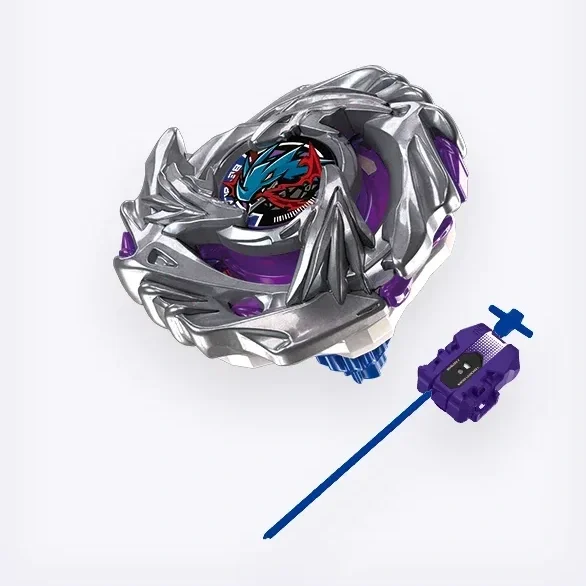
- Beyblade X is the fourth generation of the Beyblade battling top, launched by Takara Tomy in Japan in July 2023 and distributed across North America, Europe and Australia by Hasbro since 2024. In 2026 it has turned from a kids' toy into a cross-generation craze, with adults queueing overnight in Hong Kong, tournaments in tattoo parlours and malls, and a first global Grand Prix final in Bangkok on 12 to 13 December 2026.
- The brand owners are booming. TOMY posted record net sales of ¥270.5 billion for the year to March 2026 (up 8.1%), then grew another 7.7% in the April to June 2026 quarter. Hasbro's Q3 2026 revenue rose 15% to $1.6 billion, and it named Beyblade among the brands driving growth.
- Demand is running ahead of supply. Takara Tomy publicly apologised for shortages in May 2026, announced emergency production increases in July, and ran a made-to-order sale limited to one item per household, with delivery not due until mid-January 2027.
- On Amazon US, the top ten "takara tomy beyblade x" listings averaged about 1,900 units a month at $23.88 in July 2026. Hasbro's Xtreme Battle Set alone moves around 3,000 to 4,000 units a month, and the generic "beyblade" search term drew roughly 24,000 searches a week.
- Hasbro raised booster MSRP from $7.99 to $9.99 in 2026, and sold-out boosters resell on eBay for $59.99 to $89.95. Scarcity, not price, is the main buyer frustration.
- Buyer complaints cluster around four problems. Find and trust: tops sell out in minutes and counterfeits are everywhere. Stadium fragility: entry-level stadiums crack, rattle and, in some reviews, barely engage the X-rail. The parts pile: every top splits into three parts, so collections become a mess of loose blades, ratchets and bits. Confusion: Hasbro and Takara Tomy use different names for the same tops, and random boosters hide what is inside.
- The tops themselves are off limits to new brands. Beyblade is a protected trademark and every top is designed by Takara Tomy. The opportunity for sellers is in authentic resale and in the unbranded gear around the game: deck cases, parts organisers, launcher grips and stadium mats.
- The highest-scoring opportunity is a tournament-ready 3-slot deck case (rigid shell, foam insert, lanyard, labelled bit slots) sold on Amazon and TikTok Shop at $17.99 to $19.99, with about 54% gross margin after fees.
- Tariffs favour Vietnam for plastic cases. Toys enter the US duty-free at base rate, but plastic storage cases do not, and China-origin goods now carry a new 12.5% Section 301 layer on top of older China duties. This guide models a 43% planning rate for China-made cases against under 18% for Vietnam.
- Entry cost is moderate. A 1,500-unit first order of the deck case, with children's product safety testing, branding and eight weeks of launch advertising, comes in at about $10,325.
1. Actionable Insights First: Executive Opportunity Summary
Top 3 Selling Opportunities Right Now
Opportunity 1: The tournament-ready deck case that tames the parts pile
Opportunity Score: 9/10
Beyblade X is played three tops at a time. Official tournaments, including the Grand Prix qualifiers, use a 3-on-3 format where the first player to four points wins, and every top breaks down into a blade, a ratchet and a bit that players swap constantly. That means every serious player, and every parent of one, ends up carrying at least three tops plus spare parts. Takara Tomy's own 3on3 Deck Case retails for $11.99 to $24.99 depending on the seller and is often sold out, while Etsy makers are selling 3D-printed deck boxes for $20 to $60 and hobbyists are sharing free printable deck box designs by the dozen. That is a clear signal of unmet demand for a rigid, protective, tournament-friendly case. A moulded case with a foam insert, three cradles that fit tall and short combinations, a lid strip of labelled slots for spare bits and ratchets, and a lanyard or belt clip fills the gap at a mass-market price. Make it generation-agnostic in shape and branding so it does not depend on a single toy cycle.
- Profit margin range: 52% to 55% gross, 32% to 38% net after ads and returns
- Typical factory cost: $1.50 to $1.90 per case (China or Vietnam)
- Typical retail: $17.99 to $19.99
- Growth signal: Etsy and 3D printing makers dominate the space today, which means the demand is proven and the mass-market supply is missing
Opportunity 2: Authenticated Takara Tomy imports and part-out singles
Opportunity Score: 8/10
Japanese Takara Tomy releases arrive months before, or entirely instead of, their Hasbro equivalents, and competitive players want specific parts rather than whole sets. Specialist US shops already sell individual ratchets for $0.69 to $0.99, individual bits for around $10.99 and stripped top layers for $5.99, which shows the part-out model working at scale. A reseller who buys sealed Japanese stock through established Japanese wholesalers, verifies each item against the official QR code, and sells both complete tops and sought-after singles on eBay and a Shopify store answers two complaints at once: "I can't find it" and "I can't tell if it's real". This is a resale play, not private label. Margins depend on buying well, and the Japanese production increase scheduled to land in early 2027 will soften prices on the most inflated items.
- Profit margin range: 25% to 40% gross on sealed items, 45% to 65% on part-outs
- Typical cost: Japanese retail or wholesale plus forwarding
- Typical retail: $14.99 to $39.99 for sealed boosters and starters, $0.99 to $14.99 for singles
- Growth signal: eBay resale for sold-out boosters running at six to nine times MSRP in July 2026
Opportunity 3: Stadium mats and home battle-zone kits for parents
Opportunity Score: 7/10
Hasbro's own packaging warns players not to lean over the stadium and not to place it on tables or raised surfaces, because tops can fly out. Reviews describe stadiums as extremely loud, and in Japan some parks and community halls have banned Beyblade battles over noise complaints. Parents want a place to play that protects the floor, cuts the clatter and keeps tops from rolling under the sofa. A round, dense rubber or foam mat sized for standard stadiums, with a raised lip, a printed launch line and a storage pouch, answers that. Keep the claims honest: it reduces noise and protects floors, it does not make play safe on its own.
- Profit margin range: 40% to 45% gross
- Typical factory cost: $2.50 to $3.20 per mat (China)
- Typical retail: $22.99 to $26.99
- Growth signal: stadium-related searches and stadium sales climbing, with the Clash and Carry stadium up 100% month on month in July 2026
Quick Action Items
Buy the official deck cases and the top three Etsy designs before you design anything. Measure the tallest current combinations (UX and CX tops with high ratchets), test whether each case holds them without crushing, and note where lids pop open when dropped. Your foam insert should fit the tallest top on the market, with room for the next generation.
Write the listing like a compatible accessory, not a Beyblade product. Your brand name leads, the product name follows, and "compatible with Beyblade X tops" appears only as a factual fit statement. Never use the Beyblade logo, character art or top names in images. Hasbro and Takara Tomy enforce their marks, and Amazon removes listings that imply affiliation.
Treat the case as a children's product and test it. If you market to kids aged 8 and up, plan for third-party lab testing to US toy and children's product rules and issue a Children's Product Certificate. Budget around $700 and two to three weeks.
Source authentic stock only from documented channels. For resale, buy from Japanese wholesalers and established retailers, keep invoices, and photograph the QR code and packaging seals on every item. Counterfeits are common, and an authenticity complaint can close a marketplace account.
Time launches to the competitive calendar. Beyblade Day (21 March), the North American summer tournament season, Anime Expo in early July and the December Grand Prix final all drive spikes in interest. Q4 gifting is the biggest window of all.
Photograph the problem, not just the product. Show a tangled pile of loose parts next to a closed, organised case. Show a stadium on a bare floor next to one on your mat. Buyers in this category respond to before-and-after more than to specs.
Red Flags to Avoid
Unbranded or "compatible" battling tops. Generic tops sold as "gyro" or "burst tops" are the counterfeit end of this market. They wear stadiums, break easily and are sold to children. Fan communities keep public lists of fake brands. Do not sell them, and do not bundle them with your accessories.
Copying the stadium. The X-rail stadium is the heart of the Beyblade X system and is tied to Takara Tomy's design. A cloned stadium with a gear rail invites IP action, and a thin-walled stadium that cracks is a genuine injury risk when metal tops are flying at speed.
Scalping random boosters at peak prices. Inflated resale prices exist because supply is short. Takara Tomy's made-to-order run ships in mid-January 2027 and Hasbro is increasing supply. Sellers holding stock bought at four to nine times MSRP risk being caught when prices fall.
Using official names and imagery in your listing. Using "Beyblade" as a brand, top names in titles, anime screenshots or the logo on packaging is trademark infringement. It also invites counterfeit reports from rights owners, which can suspend a whole account rather than a single listing.
Betting on one generation forever. Beyblade runs in cycles. One industry voice described 2026 as year three of the current cycle, historically the biggest year in any given cycle. Design accessories that will still fit and still sell if the next generation changes the top format.
Best Entry Point for New Sellers
Product recommendation: A rigid 3-slot tournament deck case with a moulded shell, high-density foam insert with three cradles that fit tall combinations, a lid strip with six labelled slots for spare bits and ratchets, a snap latch that holds when dropped, and a detachable lanyard and belt clip. Sold under your own brand with a "compatible with Beyblade X tops" fit statement.
Primary marketplace: Amazon US
Secondary marketplace: TikTok Shop, with creator content showing tournament setups and "what's in my deck" videos
Price range: $17.99 to $19.99
Startup cost breakdown for a 1,500-unit first order:
| Line Item | Cost | Notes |
|---|---|---|
| Finished product (1,500 cases) | $2,400 | $1.60 per case FOB, two colourways, foam insert and lanyard |
| Ocean freight to fulfilment | $375 | LCL sea freight including drayage |
| Duties, customs broker and bond | $1,250 | Modelled at a 43% China planning rate on factory value plus broker fees. Much lower from Vietnam |
| Children's product safety testing | $700 | Third-party lab testing and Children's Product Certificate for a product marketed to ages 8 and up |
| Samples and insert tooling | $600 | Samples from four suppliers, custom foam die cutting and drop testing |
| Packaging and insert card design | $450 | Retail box, parts label stickers and a deck-building card |
| Product photography and video | $800 | Tournament table scenes, drop test, open and closed shots, size comparison |
| Brand registry, UPCs, trademark filing | $650 | Required for A+ content and brand protection |
| Launch advertising (8 weeks) | $2,000 | Sponsored products on accessory and storage terms plus TikTok Shop affiliate commissions |
| Creator and tournament seeding | $600 | Product for 40 to 60 creators and local tournament organisers |
| Contingency | $500 | Roughly 5% buffer for rate changes and reshoots |
| Total startup cost | $10,325 | Roughly $6.90 fully loaded per case at 1,500 units |
Why this works:
Three things make the deck case the right first move. First, it solves the most universal practical problem in the game. Every Beyblade X player owns more parts than tops, and every tournament requires three tops ready to go. Second, it sits completely outside the trademark minefield. You are selling a case, not a Beyblade, and the product works with any battling top of a similar size. Third, it has a natural upgrade path. A buyer who starts with a deck case for three tops comes back for a parts organiser for their growing collection, then a stadium mat, then a second case for a sibling.
The alternative entry point, reselling sealed Hasbro sets bought at retail, fails on two counts. Hasbro sells direct on Amazon at MSRP when it has stock, so a reseller only earns a margin during shortages, and those shortages are now being addressed.
2. Quick Data Scans: Marketplace Sales Opportunity Analysis
Legend
| Score Range | Meaning | Action |
|---|---|---|
| 8 to 10 | High demand, low to moderate competition | Enter now |
| 5 to 7 | Moderate demand, moderate competition | Test carefully |
| 1 to 4 | Low demand or oversaturated | Avoid |
Marketplace Opportunity Matrix
| Marketplace | Opportunity Score | Product Segment | Est. Weekly Unit Sales | Est. Weekly Revenue | Avg Price Range | Est. Net Margin |
|---|---|---|---|---|---|---|
| Amazon US | 9 | 3-slot tournament deck cases (own brand, compatible fit statement) | 250 to 550 | $4,500 to $11,000 | $17.99 to $19.99 | 32% to 38% |
| Amazon US | 8 | Modular parts organisers (6 tops plus labelled bit and ratchet bins) | 150 to 350 | $3,400 to $8,700 | $22.99 to $24.99 | 30% to 36% |
| Amazon US | 7 | Stadium noise and floor protection mats | 80 to 200 | $1,800 to $5,400 | $22.99 to $26.99 | 22% to 28% |
| Amazon US | 5 | Authentic Takara Tomy imports (third-party resale) | 60 to 200 | $1,500 to $6,000 | $19.99 to $39.99 | 12% to 20% |
| Amazon US | 1 | Unbranded or "gyro" battling tops | High | Low | $5 to $15 | Account risk |
| eBay US | 8 | Takara Tomy part-out singles and JDM imports (blades, ratchets, bits, prize variants) | 150 to 400 | $1,800 to $6,000 | $0.99 to $39.99 | 30% to 50% |
| eBay US | 5 | Sealed sold-out boosters and limited sets | 20 to 80 | $1,000 to $5,000 | $29.99 to $89.95 | 20% to 45%, falling |
| TikTok Shop | 8 | "What's in my deck" cases and organiser bundles | 200 to 500 | $3,600 to $12,000 | $17.99 to $34.99 | 28% to 34% |
| Shopify / DTC | 8 | Tournament gear store (cases, mats, grips, authentic singles) | 60 to 180 | $1,500 to $5,500 | $12.99 to $59.99 | 38% to 48% |
| Etsy | 7 | Personalised deck cases and name-engraved organisers | 30 to 90 | $900 to $3,200 | $24.99 to $44.99 | 35% to 45% |
| Walmart Marketplace | 7 | Parts organisers and collector cases | 60 to 160 | $1,500 to $5,600 | $22.99 to $34.99 | 26% to 32% |
| Amazon Australia | 8 | Deck cases, mats and authentic Japanese imports | 50 to 140 | $1,300 to $4,400 | A$29.95 to A$49.95 | 28% to 35% |
| Amazon UK | 6 | Deck cases and parts organisers | 50 to 130 | $1,100 to $3,300 | £15.99 to £22.99 | 24% to 30% |
| Whatnot and live commerce | 7 | Live random booster openings and part-out auctions | 40 to 150 lots | $1,000 to $4,500 | $5 to $60 per lot | 25% to 40% |
| Faire and local game stores | 7 | Wholesale cases and mats for tournament hosts | 10 to 30 cases | $700 to $2,200 | $8 to $14 wholesale | 35% to 45% |
| Temu / Shein | 2 | Ultra-cheap generic cases and knockoff tops | High | Low | $3 to $9 | Under 5% |
Table Notes and Methodology
Unit and revenue estimates describe what a competent single seller with an established, well-reviewed listing can expect in an average non-peak week, not total marketplace volume. The November to December gifting window typically runs 60% to 120% above these ranges, because Beyblade X is a top Christmas list item for children aged 6 to 12. Late March (Beyblade Day) and the June to August tournament season run 15% to 30% above. January and February are the softest months outside Asia.
Margin figures are net after marketplace fees, payment processing, inbound shipping, an assumed 3% to 6% return rate and an advertising allocation of 12% to 18% of revenue. Resale margins on eBay and live commerce are shown before your own time, which is substantial for part-out work.
Opportunity scores weigh four inputs equally: demand depth, competitive density, the seller's ability to differentiate without touching the brand owners' trademarks, and margin durability. Third-party resale of authentic sealed product on Amazon scores only moderately because Hasbro sells direct at MSRP when it has stock, and many Takara Tomy listings face gating and authenticity checks. Unbranded battling tops score lowest because they are, in practice, the counterfeit end of the category.
3. Deeper Context: Market Landscape and Buyer Intelligence
A. Market Overview
Category Definition and Size
Beyblade X is a competitive battling top system. Each top is assembled from three swappable parts: a blade (the metal-and-plastic attack ring), a ratchet (which sets height and how the top bursts apart) and a bit (the tip, which carries a gear). The stadium has an X-rail around its edge. When the bit's gear catches the rail, the top accelerates into an "Xtreme Dash" and slams into its opponent. Points are scored by knocking out, bursting or outlasting the other top, and the first player to four points wins.
The category splits into seven product groups:
- Tops, sold as boosters (top only), starters (top plus launcher), dual packs and random boosters. Hasbro and Takara Tomy are the only legitimate makers.
- Stadiums, from Hasbro's entry-level Beystadium and portable Clash and Carry to Takara Tomy's tournament-standard Xtreme Stadium and motorised Double Xtreme Stadium.
- Launchers, including string launchers, winder launchers and ripcord launchers, plus grips that attach to them.
- Battle sets, combining a stadium, two tops and two launchers. These lead marketplace sales.
- Storage, including official deck cases and a large unofficial market of cases, organisers and 3D-printed boxes.
- Loose parts and singles, sold by specialist retailers and resellers who break sets down.
- Play accessories, such as mats, stadium covers and tournament tools.
Beyblade X has no published standalone market sizing, so the closest benchmarks are the brand owners' results and adjacent categories. The global toy top market was estimated at about $1.25 billion in 2025 and is projected to reach roughly $1.95 billion by 2035, a 4.5% CAGR. Another estimate put the narrower spinning tops market at about $650 million in 2023. Both figures understate Beyblade X's current momentum, because the brand is growing far faster than the category average.
The brand owners' numbers tell the real story. TOMY reported record net sales of ¥270.5 billion for the year ended March 2026, up 8.1%, and has repeatedly named Beyblade X as a driver of growth in Japan, Asia and, increasingly, the US and Europe. In Japan alone, Beyblade X shipments passed 2 million units in its first six months on sale. Hasbro's Q3 2026 revenue rose 15% to $1.6 billion, and it credited Beyblade alongside Marvel, Star Wars and KPop Demon Hunters for growth in its consumer products business.
On Amazon US in July 2026, the top ten listings for "takara tomy beyblade x" averaged about 1,900 units a month at an average price of $23.88 and a 4.7 star rating. Hasbro's Xtreme Battle Set led most Beyblade search terms with an estimated 3,000 to 4,000 units a month, priced at around $65 against a $39.99 list price, a sign of how tight supply has been.
Product Evolution and Recent Trends
Beyblade has moved through four generations, each roughly a five to eight year cycle:
Generation one, 1999 to 2004, the original plastic tops and the anime that made them a global playground craze.
Generation two, 2008 to 2012, Metal Fight Beyblade (Metal Fusion in the West), which added heavy metal wheels and is the generation many of today's adult players grew up with.
Generation three, 2015 to 2023, Beyblade Burst, built around tops that burst apart. Hasbro's Western versions differed from Takara Tomy's, and many fans felt they were lower quality, which damaged trust in Hasbro releases.
Generation four, 2023 to present, Beyblade X. Takara Tomy repositioned the game as a "gear sport" with faster, harder-hitting battles, and from the start recruited teenagers and young adults into its marketing. Hasbro committed to tops that are identical in weight, feel and performance to the Japanese originals, which has largely repaired the quality gap.
Five trends define 2026:
The kidult wave. Adults who played Metal Fight as children now have their own money and are buying back their childhood. CNN, The Canadian Press and others have documented adult tournaments in tattoo studios, parks and malls from Hong Kong to Vancouver.
Organised competition. The first Beyblade X World Championship in 2025 drew more than 15,000 participants worldwide and introduced an Open Class for adults. In 2026 it evolved into the global Grand Prix series, with a final in Bangkok in December. Hasbro has run qualifying tournaments in Walmart stores across the US and Canada.
Shortages and scarcity marketing. Takara Tomy apologised for stock shortages in May 2026, ran lottery and made-to-order sales, and capped purchases at one per household. Limited editions such as metal-coated variants and collaboration tops sell out instantly.
Collaborations everywhere. 2026 has brought tie-ins with the NFL, Marvel, Star Wars, Ultraman, Evangelion, Detective Conan and the Japan national football team. Each one pulls in fans who have never bought a Beyblade before.
Digital crossover. The official Beyblade X game on Roblox passed 100 million visits and hosted its own world championship in May 2026, giving children a way into the brand before they own a single top.
Leading Brands and Market Disruptors
Takara Tomy (TOMY Company) designs every Beyblade X top and sells directly in Japan and Asia. Its releases are the reference standard for competitive play, and its Xtreme Stadium is the official tournament stadium. Its weaknesses for Western buyers are availability, price after import, and packaging in Japanese.
Hasbro holds the licence for North America, Europe, Australia and other Western markets. Since 2024 its Beyblade X tops have been built to the same standard as Takara Tomy's, and it adds its own licensed collaborations. Its weaknesses are its entry-level stadium, which draws complaints about durability and rail performance, its different naming conventions, and stock-outs on popular boosters.
Specialist retailers such as Mall of Toys, Danireon, Beys and Bricks, Bey Warehouse and HobbyLink Japan import Takara Tomy stock and sell both sealed product and singles. They compete on authenticity and range.
Etsy and 3D printing makers dominate the accessory gap with deck boxes, organisers and launcher grips priced at $15 to $60. Their products are often excellent, but they are made to order and cannot scale to Amazon volume.
Generic case sellers on Walmart and Amazon list plain "gyro" storage boxes at $11 to $21. These avoid trademark issues, but they are not designed around Beyblade X dimensions or tournament play.
Counterfeiters produce fake tops and stadiums under a rotating set of names. Fan wikis keep public lists of fake brands, and retailers publish guides to spotting them.
Private label opportunity assessment: Closed for tops, launchers and stadiums. Open for unbranded accessories. Chinese suppliers offer generic divided PP storage boxes from under $1 per piece at a 60-piece minimum, with custom logos from 600 pieces. The barriers are designing around the right dimensions, passing children's product testing and writing listings that respect trademarks.
Price Tiers and Popular Products
| Tier | Price Range | Representative Products | Seller Margin | Sourcing Strategy |
|---|---|---|---|---|
| Tier 1: Boosters and single tops | $9.99 to $14.99 | Hasbro boosters (MSRP raised from $7.99 to $9.99 in 2026), Takara Tomy boosters | 10% to 20% for resellers | Buy at MSRP only, resell during shortages |
| Tier 2: Starters and launchers | $12.99 to $29.99 | Starter packs, string and winder launchers (Hasbro Winder around $15.95) | 10% to 25% | Authentic resale, part-outs |
| Tier 3: Stadiums and battle sets | $25 to $70 | Beystadium, Clash and Carry (around $34.97), Xtreme Battle Set (around $39.99 MSRP, $65 in shortage) | 10% to 30% | Authentic resale only. Do not clone |
| Tier 4: Accessories | $12.99 to $34.99 | Deck cases, organisers, grips, mats | 45% to 55% gross for private label | Own-brand compatible accessories |
| Tier 5: Japanese premium and limited | $39.99 to $160+ | Takara Tomy UX starters, Double Xtreme Stadium ($123.99 to $159.99), metal coat and collaboration editions | 20% to 45% for importers | Pre-order allocations, Japanese wholesale |
B. Buyer Persona Deep Dive
Persona 1: The Christmas List Parent
Demographics: Age 32 to 48. Roughly 55% female, 45% male. Household income $55,000 to $130,000. Has one or two children aged 6 to 11 who discovered Beyblade X through school friends, YouTube or Roblox.
Purchase motivations, ranked: 1) Getting the exact top or set their child asked for. 2) Knowing it is genuine. 3) Keeping the noise and mess under control.
Price sensitivity: Moderate. Sweet spot $15 to $70.
Pain points:
- Tops on the list are sold out everywhere.
- Not knowing whether a marketplace listing is real or fake.
- Hasbro and Japanese names that do not match what the child said.
- Parts scattered across the house and lost under furniture.
- Stadiums that crack or are too loud for an apartment.
What they are solving for: A happy child on the day, without paying a scalper.
Decision factors: In-stock status, seller reputation, bundled value and gift-ready packaging.
Brand loyalty: Low to the seller, high to the official brand.
Persona 2: The Returning Millennial Blader
Demographics: Age 25 to 40. Roughly 75% male, 25% female. Grew up with Metal Fight Beyblade. Disposable income, often no children or young children.
Purchase motivations, ranked: 1) Nostalgia with a modern, competitive edge. 2) Building a strong deck. 3) Owning the Japanese originals and limited editions.
Price sensitivity: Low. Sweet spot $20 to $80 per purchase, with frequent repeat buying.
Pain points:
- Paying import prices and waiting for shipping.
- Random boosters hiding the one part they need.
- Wear on bits after heavy play.
- No good way to carry a deck to a meetup.
What they are solving for: A social hobby that feels like a sport, not a toy.
Decision factors: Takara Tomy authenticity, competitive relevance and community recommendations.
Brand loyalty: High to Takara Tomy, moderate to retailers.
Persona 3: The Tournament Competitor
Demographics: Age 12 to 35. Roughly 80% male, 20% female. Plays in local organised play, World Beyblade Organization events or Grand Prix qualifiers.
Purchase motivations, ranked: 1) Specific meta parts. 2) Spares for worn bits and ratchets. 3) Tournament-standard stadium for practice.
Price sensitivity: Low for meta parts, high for everything else. Sweet spot $1 to $15 per single part.
Pain points:
- Having to buy a whole set to get one ratchet or bit.
- Practising on a stadium that plays differently from the tournament one.
- Parts mixed up between decks.
- Needing a case that passes quick deck checks.
What they are solving for: Winning, and turning up organised.
Decision factors: Part-level availability, labelled storage and fast shipping.
Brand loyalty: High to sellers who stock singles reliably.
Persona 4: The Japanese Market Collector
Demographics: Age 20 to 45. Roughly 70% male, 30% female. Follows release news from Japan and buys collaboration, prize and metal coat editions.
Purchase motivations, ranked: 1) Rarity. 2) Condition and sealed packaging. 3) Completing a set.
Price sensitivity: Very low for rare items. Sweet spot $40 to $200+.
Pain points:
- Lottery and one-per-household limits in Japan.
- Fakes of the most valuable variants.
- Damaged boxes from international shipping.
What they are solving for: Owning the hard-to-get pieces.
Decision factors: Proof of authenticity, packaging protection and seller history.
Brand loyalty: High to trusted importers.
Persona 5: The Sibling Peacekeeper
Demographics: Age 35 to 50. Roughly 60% female, 40% male. Two or more children who all play and all claim the same parts.
Purchase motivations, ranked: 1) Separating each child's collection. 2) Reducing fights and lost parts. 3) Durable gear that survives rough play.
Price sensitivity: Moderate. Sweet spot $20 to $40.
Pain points:
- Identical-looking parts with no way to tell whose is whose.
- Cheap cases that break.
- Arguments over the one stadium.
What they are solving for: Peace in the house.
Decision factors: Multiple colourways, name labels and multi-pack value.
Brand loyalty: Moderate.
Persona 6: The Local Organiser and Game Store
Demographics: Small businesses and community organisers. Runs weekly battles in game stores, malls or community spaces.
Purchase motivations, ranked: 1) Tournament supplies that last. 2) Controlling noise and keeping tops in the play area. 3) Retail add-ons to sell at events.
Price sensitivity: Moderate. Wholesale sweet spot $8 to $14 per accessory.
Pain points:
- Venues banning play over noise.
- Tops flying off tables and hitting people.
- No reliable wholesale source for accessories.
What they are solving for: Keeping the venue happy and the events running.
Decision factors: Wholesale terms, durability and mats that dampen sound.
Brand loyalty: High once a supplier is reliable.
Persona 7: The Gift-Giving Relative
Demographics: Age 50 to 75. Roughly 65% female, 35% male. Grandparents, aunts and uncles buying for a child's birthday or Christmas.
Purchase motivations, ranked: 1) A gift the child will love. 2) Not buying the wrong thing. 3) Something that does not duplicate what the child already has.
Price sensitivity: Moderate. Sweet spot $20 to $40.
Pain points:
- No idea which tops the child owns.
- Random boxes that might contain a duplicate.
- Unfamiliar product names.
What they are solving for: A safe, welcome gift.
Decision factors: Accessories that suit any collection, gift packaging and clear descriptions.
Brand loyalty: Low.
The Tournament Competitor and the Sibling Peacekeeper are the most under-served personas in 2026. One needs parts without buying sets, and the other needs storage that turns one chaotic pile into separate, labelled collections. Both are served by accessories and singles, not by more tops.
C. Keyword and Search Trends
Search Volume and Term Structure
Search behaviour divides into four intent classes.
Class 1: Category discovery. Terms like beyblade, beyblades and beyblade x. "Beyblade" drew around 24,000 weekly Amazon US searches in mid-2026, with the top three listings taking 28.8% of clicks but only 14.8% of conversions. Shoppers look at the leaders, then buy something else. "Beyblades" drew around 5,600 a week in March 2026.
Class 2: Specific tops. Terms like shark scale beyblade x (about 3,400 weekly searches in July 2026), wizard rod beyblade x (about 1,100) and named collaboration tops. These are mostly controlled by official listings.
Class 3: Origin and authenticity. Terms like takara tomy beyblade x (about 1,600 weekly searches) show buyers actively seeking the Japanese originals. This is where authenticated resellers compete.
Class 4: Gear and accessories. Terms like beyblade x stadium, beyblade case, beyblade storage and launcher grip. Lower volume, high intent, and the place where private label sellers belong. On "beyblade x stadium", the top three listings take 44.9% of clicks and 36% of conversions, a sign that buyers in this class are less satisfied with what they find.
Seasonal Demand Patterns
| Window | Dates | Relative Demand | Demographic Skew | Seller Action |
|---|---|---|---|---|
| Beyblade Day | Mid to late March | Moderate to high | Fans of all ages | New releases, promotions and social content |
| Tournament season | June to August | High | Competitors, kidults | Push deck cases, organisers and singles around qualifiers and Anime Expo |
| Back to school | August to September | Moderate | Children 6 to 12 | Portable cases and playground-friendly sets |
| Gifting window | Black Friday to Christmas | Very high | Parents, relatives | Bundles and gift-ready accessories. Stock by early November |
| Grand Prix final | December | High | Competitors, collectors | Tournament gear and limited imports |
| Post-holiday lull | January to February | Low outside Asia | Gift card spenders | Clear stock, run storage campaigns for new owners |
In Australia and New Zealand, Christmas and the long summer school holidays overlap, which makes December and January the strongest months for Amazon Australia. Lunar New Year drives an additional spike across Asian markets.
Rising and Declining Queries
| Direction | Query Theme | Est. YoY Change | Interpretation |
|---|---|---|---|
| Rising | Takara tomy beyblade x | +60% | Buyers seeking Japanese originals and earlier releases |
| Rising | Beyblade x stadium | +55% | Strong stadium sales and dissatisfaction with entry-level options |
| Rising | Beyblade x random booster | +50% | Blind box buying among children and collectors, especially in Asia |
| Rising | Beyblade case / beyblade x deck case | +45% | Players carrying decks to tournaments and meetups |
| Rising | Beyblade tournament near me | +40% | Organised play spreading through stores and community venues |
| Rising | Beyblade x launcher grip | +35% | Competitive players upgrading launch control |
| Rising | Beyblade x adults / kidult | +30% | Media coverage of adult players driving curiosity |
| Rising | Real vs fake beyblade | +25% | Authenticity concern rising as counterfeits multiply |
| Declining | Beyblade burst | -35% | Previous generation fading as players move to Beyblade X |
| Declining | Beyblade burst stadium | -40% | Burst stadiums do not support the X-rail |
| Declining | Beyblade burst evolution | -45% | Older Hasbro sub-lines largely discontinued |
| Flat | Beyblade metal fusion | 0% to +5% | Nostalgia searches held up by returning adult players |
Query direction and estimated change reflect relative interest signals across marketplace and web search tools and should be treated as directional rather than exact.
Consumer Insights from Community Forums
Analysis of buyer reviews on major retailer and marketplace listings, specialist retailer guides, news coverage, and discussion in communities such as r/Beyblade, r/BeybladeX, the Beyblade fandom wiki and World Beyblade Organization forums surfaces a consistent complaint hierarchy. These are the twelve themes that recur most often:
Nothing is in stock. The most common theme. Restock trackers report that popular tops sell out in minutes, and Takara Tomy itself has apologised for shortages.
Fakes everywhere. Counterfeit tops are common on third-party marketplaces. Buyers share guides on checking packaging, stickers and QR codes, and reviewers warn each other about fake sellers.
Scalper pricing. Sold-out boosters with a $9.99 list price resell for $59.99 to $89.95, and Hong Kong fans queued overnight rather than pay secondary market prices.
Random box roulette. Random boosters contain one of several tops, with a rarer "prize" version. Reviews swing between delight and one-star frustration, and retailer Q and A threads are full of parents asking how to get a specific variant.
Two names for one top. Hasbro and Takara Tomy often use different names for the same top (the Japanese DranBrave is Courage Dran in Hasbro markets), which confuses parents, gift buyers and new players.
Stadiums that do not last. Reviews of Hasbro's entry-level Beystadium describe cracks within a week, an X-rail that rarely engages and pockets that are too shallow.
Noise. Stadiums are described as extremely loud. Harder plastic portable stadiums are louder still, and some venues and game stores have stopped allowing play.
Parts everywhere. Three-part tops multiply into piles of loose blades, ratchets and bits. Players build homemade organisers and buy 3D-printed boxes because nothing affordable fits.
Bits wear out. Heavy play rounds off the gear teeth on bits, so the top stops catching the rail. Players want spare bits without buying whole tops.
Weak stock launchers. Reviewers describe the launchers bundled with starters as small and underpowered, and buy winder launchers and grips as upgrades.
Safety worries. Hasbro warns against leaning over the stadium and playing on raised surfaces. Parents want ways to keep tops contained.
Price creep. Hasbro's booster MSRP rose from $7.99 to $9.99 in 2026, which makes parents more cautious about buying the wrong top.
What these complaints tell a seller:
This category's unsolved problems are not about the tops. Buyers love the game. What they lack is access to the genuine product, and good gear around it. A new seller cannot make a better Beyblade, and should not try. But a seller can make it easier to find the real thing, easier to carry and organise a collection, and easier to play at home without cracked stadiums and complaints from the neighbours. The brand owners compete on tops and stadiums. The opportunity is to compete on everything else.
4. Tools and Resources: Sourcing Decision Framework
Private Label Sourcing Calculator
All products below are unbranded accessories sold under your own brand. None of them reproduce a Beyblade top, launcher mechanism or X-rail stadium.
| Product Type | Factory Price | MOQ | Shipping | Duties | Landed Cost | Amazon Fees | Total Cost | Retail Price | Gross Margin |
|---|---|---|---|---|---|---|---|---|---|
| 3-slot tournament deck case (China, ABS shell, foam insert, lanyard) | $1.60 | 1,000 | $0.25 | $0.69 | $2.54 | $6.60 | $9.14 | $19.99 | 54.3% |
| 3-slot tournament deck case (Vietnam, same spec) | $1.85 | 1,000 | $0.27 | $0.33 | $2.45 | $6.60 | $9.05 | $19.99 | 54.7% |
| Modular parts organiser (6 tops plus 24 labelled part bins) | $2.40 | 1,000 | $0.40 | $1.03 | $3.83 | $8.15 | $11.98 | $24.99 | 52.1% |
| Collector case, 3-tier with handle (holds 30+ tops) | $4.50 | 500 | $0.90 | $1.94 | $7.34 | $11.45 | $18.79 | $34.99 | 46.3% |
| Stadium noise and floor mat (60 cm round, raised lip, pouch) | $2.80 | 1,000 | $0.70 | $1.12 | $4.62 | $9.75 | $14.37 | $24.99 | 42.5% |
| Universal launcher grip (fits standard string and winder launchers) | $0.90 | 2,000 | $0.10 | $0.18 | $1.18 | $5.35 | $6.53 | $12.99 | 49.7% |
| Home tournament bundle (deck case, organiser, mat, label set) | $7.40 | 500 | $1.40 | $2.81 | $11.61 | $16.40 | $28.01 | $59.99 | 53.3% |
Standard Assumptions Used
Factory price methodology. Generic divided plastic storage boxes are listed by Chinese suppliers from about $0.88 to $0.92 per piece, with custom logos from 600 pieces and custom colours from 3,000. The calculator uses higher figures to reflect a rigid shell, a die-cut foam insert sized for tall Beyblade X combinations, a reliable latch, a lanyard and retail packaging. Vietnam pricing assumes a premium of around 15% for comparable quality. Mats assume dense rubber or EVA with a printed surface. All factory prices are planning estimates and should be confirmed by quote.
MOQ context. Stock storage boxes can be bought in quantities as low as 60 pieces, which is useful for sampling. A custom foam insert, branded packaging and a chosen colourway typically push minimums to 500 to 1,000 pieces. Launcher grips are small injection-moulded parts and usually start at 2,000 pieces.
Shipping assumptions. LCL sea freight from South China or Vietnam to a US fulfilment centre including drayage. Mats and three-tier collector cases are bulkier and carry higher freight per unit.
Duty rates. Most toys under HTS Chapter 95 enter the US at a 0% base rate. Plastic storage cases are usually classified outside Chapter 95 (for example under heading 3926 or 4202), where base rates apply and China-origin goods carry legacy Section 301 duties. Since 24 July 2026, a new Section 301 duty of 12.5% applies to goods from China and Vietnam, and stacks on top of older China-specific duties. The calculator uses a 43% planning rate for China-made cases (base rate plus legacy and new Section 301 layers), about 18% for Vietnam-made cases, about 40% for China-made mats, about 20% for launcher grips classified as toy parts, and a blended 38% for the bundle. Tariff rules changed several times between February and July 2026. Confirm classification and current rates with a licensed customs broker before every order.
Fee breakdown. Amazon fees combine a 15% referral fee for toys and games with an estimated FBA fulfilment fee of $3.40 to $7.40 depending on size and weight tier. Mats and collector cases fall into larger size tiers, which is why their fee share is higher.
Margin notes. Margins shown are gross after landed cost and marketplace fees only. They do not deduct advertising, which typically consumes 12% to 18% of revenue at launch and 7% to 10% at steady state, or returns, which run around 3% to 6% for hard goods. A 54% gross margin therefore translates to roughly 32% to 38% net contribution in a mature account.
Quality and compliance. If your accessory is designed or marketed for children aged 12 and under, treat it as a children's product. That means third-party testing for lead and, where relevant, phthalates, a Children's Product Certificate, tracking labels on the product and packaging, and age grading on the listing. Run drop tests on cases with tops inside, and check that latches hold. For mats, test for odour and slip on hard floors.
Trademark rules. Use your own brand name. Mention Beyblade X only as a factual compatibility statement, in the format Amazon expects: your brand, your product name, then "compatible with" and the product it fits. Never use official logos, top names, characters or anime imagery. Do not describe your product as official, licensed or tournament approved unless it is.
Additional Strategy Tables
Strategy A: Bundle Architecture and Attach Rate
| Bundle | Contents | Target Persona | Bundle Price | Sum of Parts | Est. Gross Margin |
|---|---|---|---|---|---|
| First Deck Kit | Deck case, parts label set, deck-building card | Christmas List Parent | $22.99 | $27.97 | 53% |
| Tournament Ready | Deck case, launcher grip, spare-part pouch | Tournament Competitor | $29.99 | $37.97 | 52% |
| Sibling Split | Two deck cases in different colours, name labels | Sibling Peacekeeper | $34.99 | $39.98 | 54% |
| Home Arena | Stadium mat, parts organiser, storage pouch | Christmas List Parent | $44.99 | $49.98 | 48% |
| Collector Vault | Three-tier collector case, deck case, label set | Returning Millennial Blader | $49.99 | $57.97 | 47% |
| Organiser Wholesale Pack | Six deck cases and two mats for retail resale | Local Organiser and Game Store | $84 wholesale | $169.92 retail | 45% to the store |
Strategy B: Seasonal Inventory Planning Calendar
| Month | Inventory Action | Marketing Focus | Notes |
|---|---|---|---|
| January | Place spring and summer order | New owner storage campaigns | Allow 8 to 10 weeks for production and freight |
| February to March | Receive deck cases and organisers | Beyblade Day content and promotions | Lock in duty assumptions before shipment |
| April to May | Restock, test new colourways | Seed creators and local organisers | Watch Japanese release dates for new top heights |
| June to August | Peak stock for tournament season | Tournament, Anime Expo and back-to-school content | Place Q4 order by early July |
| September to October | Receive Q4 stock, bundles and gift packaging | Gift guides and pre-Christmas ads | Have stock in fulfilment by early November |
| November to December | Gifting peak, weekly reorder checks | Bundles, Grand Prix final content | Use bundles rather than deep discounts |
Sourcing Methodology Notes
- Design around the tallest top, not the average one. Measure current UX and CX releases with high ratchets and tall bits. A case that crushes a new release is a one-star review waiting to happen.
- Shortlist case and EVA moulders, not toy factories. You need suppliers who make protective cases, foam inserts and organiser boxes, and who can explain wall thickness and latch tolerances.
- Drop-test with real tops inside. Drop each sample from 1 metre onto a hard floor five times with three tops inside. Check the latch, the hinge and whether the tops stay in their cradles.
- Get a Vietnam quote even if you start in China. With China-origin plastic cases facing stacked duties, a Vietnam supplier can save several dollars a unit on landed cost.
- Build in a children's product testing step. Book the lab before production, not after, so testing does not hold up your launch.
- For resale, document every unit. Keep supplier invoices, photograph seals and QR codes, and keep counterfeit lookalikes out of your stock entirely.
- Offer a fit guarantee. Promise a replacement insert if a future top does not fit. It costs little and builds trust with buyers worried about the next release.
Key Takeaways
- The craze is real and still growing. Record results at both brand owners, global shortages and a first Grand Prix final point to strong demand through 2027.
- The tops belong to the brand owners. Private label sellers should stay entirely out of tops, launchers and X-rail stadiums.
- Everything around the tops is open. Deck cases, organisers, grips and mats solve problems buyers complain about every day, and today they are served mostly by Etsy makers and generic boxes.
- Authenticity is a selling point. For resellers, verified Takara Tomy stock and part-out singles answer the two loudest complaints in the category.
- Tariffs favour Vietnam for cases. Stacked China duties on plastic storage goods make Vietnam the smarter source for a case-led brand.
Sources and References
TOMY Company, Consolidated Financial Results for the Fiscal Year Ended March 31, 2026, May 2026
Hasbro, Third Quarter 2026 Financial Results, October 2026
Inside Games, KAI-YOU and 4Gamers, coverage of Takara Tomy's Beyblade X shortage notice and made-to-order sales, May to August 2026
Market Research Intellect, Toy Top Market report 2026 to 2035
ASInsight, Amazon US product rankings and search volume for Beyblade, Takara Tomy Beyblade X and Beyblade X stadium terms, March to July 2026
Trackalacker, Beyblade X Buying and Restock Guide, July 2026
CNN, The Canadian Press and Dexerto, reporting on adult Beyblade X players, May to June 2026
TOMY Company and Anime News Network, Beyblade Day 2026 and Beyblade X GP Final 2026 announcements
Takara Tomy, BEYBLADE X World Championship 2025 results announcement
Hasbro and Target, Beyblade X Beystadium product details and customer reviews
Mall of Toys, Danireon, Beys and Bricks and Bey Warehouse, product listings and authenticity guides
Etsy, MakerWorld, Walmart and Alibaba, accessory and storage case listings, 2026
Honigman, Tradlinx and Border Buddy, analysis of Section 122 expiry and new Section 301 duties, July 2026
Amazon Seller Central, intellectual property and compatible product title guidance
Community discussion analysis across r/Beyblade, r/BeybladeX, the Beyblade fandom wiki and World Beyblade Organization forums
Data Collection Methodology: Market sizing uses published third-party research for the toy top category and the reported results of the two brand owners, because no standalone sizing exists for Beyblade X. Marketplace sales estimates use third-party Amazon tracking data from March to July 2026 and should be treated as directional. Complaint themes were derived by aggregating recurring issues across retailer reviews, specialist retailer guides, news coverage and public community discussion. Sourcing figures reflect published supplier ranges and estimates rather than negotiated quotes and should be treated as a planning baseline.
Seasonal Adjustment Notes: Weekly figures in the marketplace table describe an average non-peak week. The November to December gifting window can run 60% to 120% above stated ranges, and tournament season 15% to 30% above. Resale prices for sealed product are especially volatile and are likely to fall as Takara Tomy's increased production arrives in early 2027. Duty rates have changed repeatedly in 2026 and should be verified with a licensed customs broker at the time of each order. Nothing in this guide is legal, customs, trademark or regulatory advice.