
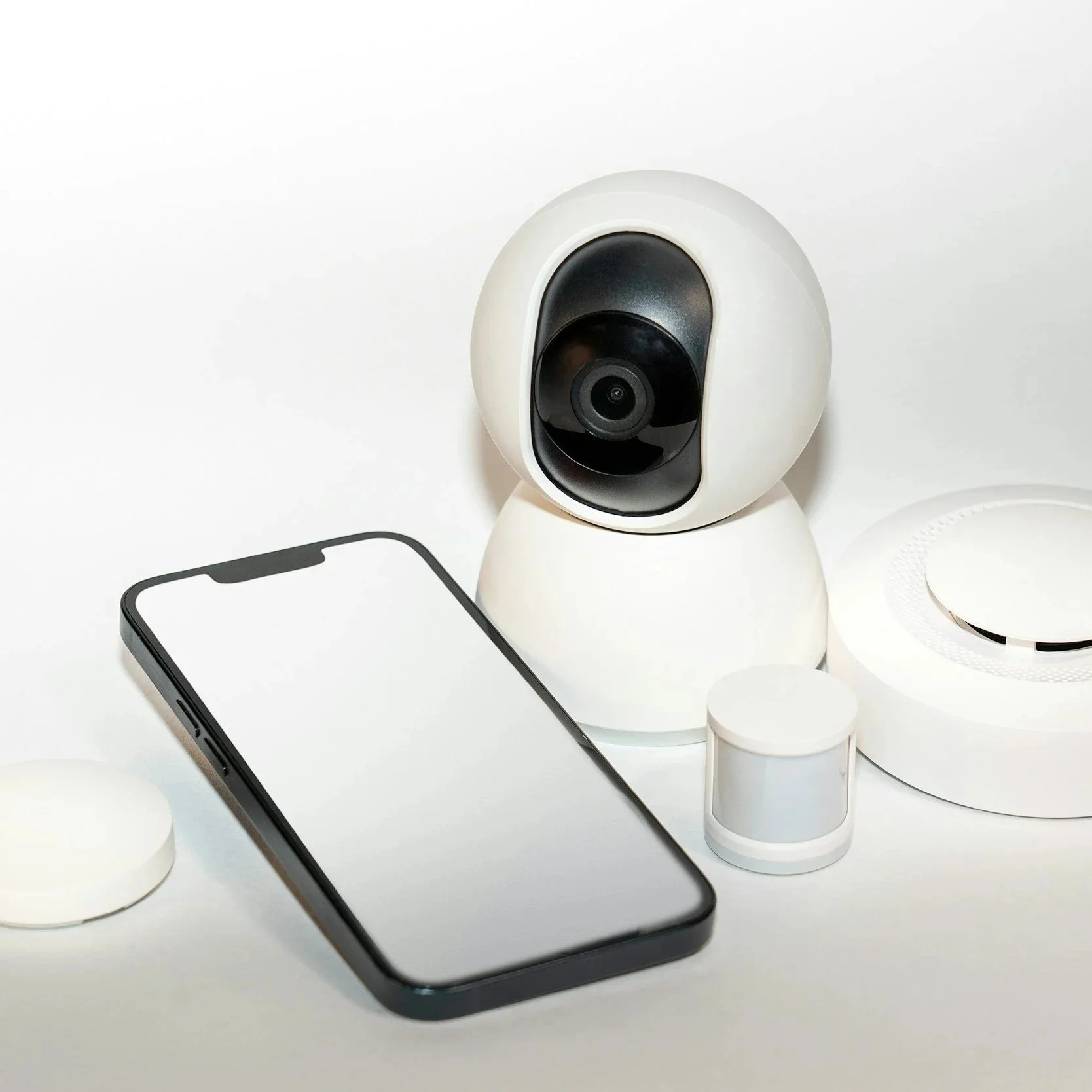
Smart Home System Kits Summary of Research
- Global market valued at $121-144 billion in 2024, projected to reach $250-633 billion by 2029-2032 (CAGR 9.5-23%)
- U.S. market leads globally at $43 billion (2025), with 89.5% household penetration expected by 2029
- DIY kits captured 68% of 2024 revenue as consumers prefer plug-and-play devices over professional installation
- Security systems dominate at 30% of spending; smart thermostats and lighting follow closely
- Online sales channels capture 70% of revenue, with offline retail growing at 17.5% CAGR
- Average seller profit margins of 15-25% achievable with proper sourcing and positioning
- Key growth drivers: Energy efficiency concerns, Matter protocol adoption (670+ certified products), aging-in-place demand
- Sourcing opportunity: Chinese manufacturers offer 20-30% lower unit costs with MOQs as low as 2-10 units for sensors
- Best marketplace opportunity: Walmart Marketplace (less competition, 30% growth) and Amazon (highest volume)
- Peak search interest: July-September for security systems; December for holiday gift-buying
1. Introduction: The Smart Home Revolution
Defining Smart Home System Kits
Smart home system kits are bundled packages of interconnected devices that enable homeowners to automate, monitor, and control various aspects of their living environment. These kits typically include a central hub or controller paired with sensors, smart plugs, cameras, or lighting elements that communicate via Wi-Fi, Zigbee, Z-Wave, Thread, or the newer Matter protocol.
Unlike purchasing individual smart devices, starter kits provide consumers with a cohesive ecosystem that works together out of the box, reducing compatibility headaches and offering a gentler learning curve for smart home newcomers.
Market Landscape and Evolution
The smart home industry has undergone remarkable transformation since the introduction of Amazon's Echo in 2014. What began as a novelty has evolved into essential residential infrastructure, driven by several converging factors:
Historical Evolution:
- 2014-2016: Smart speakers emerge as the gateway device, with Amazon selling 5 million Echo units before Google entered the market
- 2017-2019: Ecosystem wars intensify as Google, Apple, and Amazon compete for platform dominance
- 2020-2022: Pandemic accelerates adoption as homeowners invest in security, comfort, and remote monitoring
- 2022-2024: Matter protocol launches, promising universal device compatibility across ecosystems
- 2025 and beyond: AI integration and predictive automation become standard features
Recent Trends and Innovations:
The Matter 1.4 specification (November 2024) represents a watershed moment for the industry. Over 670 Thread-based products achieved certification by mid-2025, with major retailers dedicating shelf space to Matter-ready devices. This protocol enables devices from different manufacturers to communicate seamlessly, dramatically reducing consumer friction and return rates.
AI-powered features are transforming device capabilities. Amazon's Alexa+ subscription ($19.99/month) offers predictive task automation, while Google's Gemini integration enables natural-language search through security footage. Samsung's Ballie autonomous AI companion and Ring's indoor drone camera represent the cutting edge of home automation innovation.
Energy management has become a primary purchase driver. Under the U.S. Inflation Reduction Act, households can recoup 30% of purchase costs for qualifying smart thermostats, heat pumps, and energy-saving controls. California's Golden State program offers $75 credits for demand-response thermostat enrollment.
Leading Brand Innovators:
Established Leaders:
- Amazon (Ring, Blink, Echo): Dominates smart speakers and security cameras; 300+ million Alexa-connected devices
- Google (Nest): Premium positioning in thermostats and displays; Gemini AI integration
- Apple (HomeKit): Privacy-focused ecosystem; shifted to full Matter compliance
- Samsung (SmartThings): Broad device compatibility; strong in appliances
- Philips Hue: Undisputed smart lighting leader; new Bridge Pro handles 200+ devices
Emerging Challengers:
- SwitchBot: Affordable retrofit solutions; K10+ Pro robot vacuum gaining market share
- Eufy (Anker): Local storage security cameras; eufyCam S3 Pro with Apple HomeKit support
- Aqara: Matter-certified outdoor hub with Thread border router capability
- Govee: Budget-friendly lighting; Floor Lamp Pro with integrated Bluetooth speaker
- Tado: Thread-enabled smart heating controls for European markets
Product Segments, Categories, and Price Ranges
Segment Breakdown by Category:
| Category | Price Range (Kit) | Key Products | Primary Buyers |
|---|---|---|---|
| Security Starter Kits | $99 - $499 | Hub + cameras + sensors + door/window contacts | Homeowners, renters, families |
| Smart Lighting Kits | $49 - $249 | Hub + 2-4 bulbs + dimmer/switch | First-time buyers, renters |
| Smart Speaker/Display Bundles | $79 - $349 | Echo Show/Nest Hub + smart plug + bulb | Gift buyers, tech beginners |
| Climate Control Kits | $149 - $399 | Thermostat + room sensors | Energy-conscious homeowners |
| Complete Home Automation Kits | $299 - $999+ | Hub + security + lighting + climate | New homeowners, enthusiasts |
| DIY Sensor Kits | $29 - $149 | Motion sensors + leak detectors + contacts | Budget-conscious, DIYers |
Popular Brands by Price Tier:
Budget ($29 - $99):
- Wyze Starter Kit
- Govee Smart Home Bundle
- TP-Link Kasa Starter Kit
- SwitchBot Mini Hub + Sensors
Mid-Range ($99 - $249):
- Ring Alarm Security Kit (5-piece)
- Philips Hue White Starter Kit
- Amazon Echo + Smart Home Bundle
- Google Nest Hub + Mini Bundle
Premium ($249 - $599+):
- Philips Hue White and Color Ambiance Kit
- Ring Alarm Pro (with eero router)
- SimpliSafe Foundation Bundle
- Arlo Pro Security System
Private Label Opportunities:
The market shows strong potential for private label products, particularly in:
- Basic sensor bundles (door/window, motion, leak detection)
- Smart plug multi-packs with energy monitoring
- Wi-Fi camera kits without subscription requirements
- Matter-compatible lighting starter sets
Sourcing Cost Analysis and Landed Cost Estimates
The following table provides estimated sourcing costs for sellers considering manufacturing or wholesale purchasing. All estimates assume standard assumptions including sea freight shipping, typical import duties, and basic quality inspection.
Standard Assumptions:
- Shipping: Sea freight (FCL or LCL) at approximately $0.50-2.00 per unit depending on volume
- Import Duty: 0-6% for electronic components (varies by specific HS code)
- Customs Clearance: $150-300 per shipment (amortized across units)
- Quality Inspection: $200-400 per production run
- Amazon FBA Fees: 15% referral + $3-8 fulfillment per unit (size dependent)
- Payment Terms: 30% deposit, 70% before shipment (standard)
| Product Type | Factory Price (FOB) | MOQ (Test) | Shipping | Duty | Landed Cost | Retail Price | Margin |
|---|---|---|---|---|---|---|---|
| Basic Sensor Kit (4pc) | $8 - $15 | 100 units | $1.50 | $1.00 | $10.50 - $17.50 | $39 - $59 | 55-65% |
| Smart Plug 4-Pack | $6 - $12 | 200 units | $1.00 | $0.80 | $7.80 - $13.80 | $29 - $49 | 60-70% |
| Wi-Fi Camera Kit (2pc) | $25 - $45 | 50 units | $3.00 | $2.50 | $30.50 - $50.50 | $89 - $149 | 50-60% |
| Smart Light Starter | $18 - $35 | 100 units | $2.50 | $2.00 | $22.50 - $39.50 | $69 - $119 | 55-65% |
| Security Starter Kit | $35 - $65 | 50 units | $4.00 | $3.50 | $42.50 - $72.50 | $129 - $199 | 55-65% |
| Complete Home Kit (8+) | $55 - $95 | 30 units | $6.00 | $5.00 | $66 - $106 | $199 - $349 | 55-65% |
| Smart Thermostat Kit | $22 - $40 | 100 units | $2.00 | $2.00 | $26 - $44 | $79 - $129 | 55-65% |
| Video Doorbell Kit | $28 - $55 | 50 units | $3.00 | $2.50 | $33.50 - $60.50 | $99 - $169 | 55-60% |
Key Sourcing Platforms:
- Alibaba.com (Trade Assurance protection recommended)
- 1688.com (Lower prices, Chinese language interface)
- Global Sources (Verified manufacturer focus)
- Made-in-China.com (Flexible MOQ options)
- Canton Fair attendance (Direct manufacturer relationships)
Sourcing Tips:
- Request Tuya, Alexa, and Google Home compatibility certifications
- Verify CE, FCC, and RoHS compliance for U.S./EU markets
- Order samples ($50-150) before committing to production runs
- Negotiate 30-60 day payment terms for repeat orders
- Consider sourcing agents for quality control and logistics coordination
2. Marketplace Sales Opportunity Analysis
Opportunity Score Legend
Scoring Methodology: Opportunity Score (1-10) factors buyer demand volume, seller competition level, and achievable profit margins. A score of 10 indicates high buyer demand with low seller competition, maximizing success probability. Estimates based on Q4 2024 marketplace data and industry research.
| Marketplace | Opportunity Score | Product Segment | Est. Weekly Units | Est. Weekly Revenue | Avg. Price Range | Est. Profit Margin |
|---|---|---|---|---|---|---|
| Amazon | 8High confidence | Security Starter Kits | 150-400 | $22,500-$80,000 | $129-$249 | 18-25% |
| 7High confidence | Smart Lighting Kits | 200-500 | $14,000-$50,000 | $59-$149 | 20-28% | |
| 6Medium confidence | Smart Speaker Bundles | 100-300 | $10,000-$45,000 | $79-$199 | 12-18% | |
| 7High confidence | Climate Control Kits | 80-200 | $16,000-$50,000 | $149-$299 | 18-24% | |
| 5Medium confidence | Complete Home Kits | 30-80 | $12,000-$40,000 | $299-$599 | 15-22% | |
| 9High confidence | DIY Sensor Bundles | 300-800 | $12,000-$40,000 | $29-$79 | 35-50% | |
| eBay | 7Medium confidence | Refurbished Security Systems | 40-120 | $4,000-$18,000 | $79-$179 | 25-35% |
| 6Medium confidence | New Smart Lighting Kits | 30-80 | $2,100-$8,000 | $49-$129 | 18-25% | |
| 8Medium confidence | Open-Box Smart Home Bundles | 20-60 | $2,400-$10,800 | $99-$199 | 30-45% | |
| 5Low confidence | Vintage/Discontinued Devices | 10-30 | $500-$2,400 | $39-$99 | 20-40% | |
| Walmart Marketplace | 9High confidence | Security Starter Kits | 60-180 | $9,000-$36,000 | $119-$229 | 20-28% |
| 9High confidence | Smart Lighting Kits | 80-200 | $4,800-$20,000 | $49-$119 | 22-30% | |
| 8Medium confidence | Climate Control Kits | 40-100 | $6,000-$20,000 | $129-$249 | 20-26% | |
| 8High confidence | DIY Sensor Bundles | 100-300 | $3,500-$15,000 | $29-$59 | 35-48% | |
| 7Medium confidence | Smart Plug Multi-Packs | 150-400 | $4,500-$16,000 | $24-$49 | 30-42% | |
| Shopify / DTC Stores | 7Medium confidence | Branded Security Bundles | 15-50 | $3,000-$15,000 | $179-$349 | 35-50% |
| 8Medium confidence | Curated Starter Kits | 20-60 | $2,000-$9,000 | $99-$199 | 40-55% | |
| 6Low confidence | Premium Home Automation | 5-20 | $2,500-$14,000 | $499-$999 | 30-45% | |
| 9Medium confidence | Subscription + Hardware Bundles | 10-40 | $1,500-$8,000 | $149-$249 | 45-60% (LTV) | |
| Emerging Channels | 8Low confidence | TikTok Shop: Trending Gadgets | 50-200 | $2,500-$14,000 | $39-$99 | 25-40% |
| 6Low confidence | Facebook Marketplace: Local | 10-40 | $800-$4,800 | $69-$149 | 20-35% | |
| 7Low confidence | Temu/Shein: Budget Kits | 100-500 | $2,000-$15,000 | $19-$49 | 15-25% | |
| 9Medium confidence | Home Depot/Lowe's Online | 30-100 | $4,500-$20,000 | $129-$249 | 18-25% |
Key Findings Summary:
Amazon (Highest Volume, Moderate Competition)
- Weekly revenue potential: $15,000 - $75,000+ for established sellers
- Security kits and smart lighting show strongest performance
- FBA fees range 20-35% of sale price; factor into margins
- Reviews critical: 50+ reviews typically needed for Buy Box eligibility
eBay (Refurbished/Value Segment)
- Strong opportunity in open-box and refurbished smart home devices
- Less competition than Amazon; lower volume
- Fixed price listings outperform auctions for new products
Walmart Marketplace (Growing Opportunity)
- 30% year-over-year growth; $100 billion in 2024 e-commerce sales
- Stricter seller approval = less competition
- WFS (Walmart Fulfillment Services) provides 50% GMV lift on average
- No monthly fees; competitive referral rates
Shopify/DTC (Highest Margins)
- 25-40% profit margins achievable without marketplace fees
- Requires marketing investment (typically 15-25% of revenue)
- Best for bundled kits with unique value proposition
3. Buyer Demand and Keyword Trends Analysis
Primary Buyer Personas
Persona 1: The First-Time Homeowner (Age 28-42)
- Motivation: Wants to modernize new home; interested in security and energy savings
- Budget: $200-500 initial investment
- Valued Features: Easy DIY installation, smartphone control, no monthly fees
- Pain Points: Overwhelmed by options; worried about compatibility
- Purchase Triggers: Moving into new home, having children, neighborhood safety concerns
- Preferred Channels: Amazon, Home Depot, Best Buy
Persona 2: The Tech Enthusiast (Age 25-45)
- Motivation: Wants comprehensive home automation; enjoys tinkering
- Budget: $500-2,000+ over time
- Valued Features: Matter compatibility, local processing, API access, integration options
- Pain Points: Ecosystem lock-in, cloud dependency, subscription fatigue
- Purchase Triggers: New protocol launches, device upgrades, home renovation
- Preferred Channels: Amazon, direct from manufacturers, specialty retailers
Persona 3: The Security-Focused Parent (Age 32-55)
- Motivation: Protect family and property; monitor children and deliveries
- Budget: $150-400 for security-focused kit
- Valued Features: Reliable alerts, clear video, professional monitoring option, easy sharing
- Pain Points: False alarms, subscription costs, privacy concerns
- Purchase Triggers: Break-in (self or neighbor), new baby, children becoming latchkey age
- Preferred Channels: Amazon, Costco, home security retailers
Persona 4: The Energy-Conscious Saver (Age 35-65)
- Motivation: Reduce utility bills; qualify for rebates; environmental responsibility
- Budget: $100-300 for climate/energy products
- Valued Features: Energy monitoring, scheduling, utility integration, rebate eligibility
- Pain Points: Complex installation, unclear ROI, compatibility with HVAC
- Purchase Triggers: High utility bill, HVAC replacement, solar panel installation
- Preferred Channels: Home Depot, Lowe's, utility company partnerships
Persona 5: The Aging-in-Place Senior (Age 65+) or Caregiver
- Motivation: Maintain independence; enable remote family monitoring
- Budget: $100-500 (often purchased by adult children)
- Valued Features: Voice control, simple interfaces, fall detection, medication reminders
- Pain Points: Technology intimidation, physical limitations, reliability concerns
- Purchase Triggers: Health event, moving to single-story home, family pressure
- Preferred Channels: Best Buy (in-store), AARP recommendations, senior-focused retailers
Google Trends and Search Volume Analysis
Search Interest Patterns (2024-2025):
Based on Google Trends data, the following patterns emerge:
Smart Home Security Systems:
- Peak interest: December 2024 and August-September 2025
- Correlation with holiday shopping and back-to-school seasons
- Consistently high search volume year-round (index 70-100)
Smart Thermostats:
- Peak interest: August 2025 (index 87)
- Strong summer demand tied to cooling season and energy management
- Secondary peak during heating season (October-November)
Smart Lighting:
- Peak interest: November-December (holiday gifting and decoration)
- Steady baseline interest throughout year (index 30-50)
- Dip in January-February post-holiday
Smart Home Starter Kits:
- Generally lower search volume than individual product categories
- Brief spike in July 2025 (possibly tied to Prime Day promotions)
- Opportunity for better SEO positioning due to lower competition
High-Volume Search Terms:
- "smart home security system" (High volume, high competition)
- "best smart home devices 2025" (Medium volume, gift-buying intent)
- "Ring vs Nest" (Comparison shopping, high purchase intent)
- "smart thermostat rebate" (Purchase-ready, energy-conscious buyer)
- "home automation kit" (Lower competition, bundled purchase intent)
- "Matter smart home devices" (Growing, tech-savvy audience)
- "smart home no subscription" (Strong purchase intent, value-focused)
Seasonal Patterns:
| Season | Peak Categories | Marketing Focus |
|---|---|---|
| Q1 (Jan-Mar) | Thermostats, energy management | New Year energy savings; tax refund spending |
| Q2 (Apr-Jun) | Outdoor cameras, sensors | Spring home improvement; vacation security |
| Q3 (Jul-Sep) | Security systems, cooling | Back-to-school; summer energy management |
| Q4 (Oct-Dec) | All categories peak | Holiday gifting; Black Friday/Cyber Monday |
Consumer Feedback and Product Improvement Opportunities
Common Complaints from Reddit and Community Forums:
Setup and Compatibility Issues:
- "Took 3 hours to get my devices talking to each other" - r/smarthome
- "The app keeps disconnecting" - consistent theme across platforms
- Opportunity: Pre-configured kits with guaranteed compatibility
Subscription Fatigue:
- "I'm paying $30/month for three different services" - common frustration
- "Why do I need cloud storage for a camera in my own home?"
- Opportunity: Local storage options, one-time purchase positioning
Reliability Concerns:
- Google Home/Nest users report deteriorating voice command reliability
- Matter protocol adoption still has growing pains
- Opportunity: Emphasize offline functionality and local processing
Privacy Apprehensions:
- Eufy 2024 privacy breach damaged trust despite remediation
- "I don't want Amazon listening to everything"
- Opportunity: Privacy-first marketing, local processing features
Features Consumers Wish Existed:
- Better integration between different brand ecosystems
- Simpler setup for non-technical family members
- More affordable professional monitoring options
- Longer battery life for wireless devices
- Better outdoor durability ratings
Product Improvement Suggestions for Sellers:
- Bundle complementary products that actually work together (test before selling)
- Include QR-coded video setup guides in packaging
- Offer extended warranties as upsell opportunity
- Create "no subscription required" bundles for price-sensitive buyers
- Focus on Matter-compatible products for future-proofing appeal
4. Sources and References
Industry reports, market research, and data sources consulted for this analysis:
- Grand View Research, U.S. Smart Home Market Size, Share Industry Report 2030
- Fortune Business Insights, Smart Home Market Size and Trends Report 2025-2032
- Mordor Intelligence, Smart Home Market Size and Share Analysis 2025
- Statista, Smart Home Market Revenue Worldwide and United States Forecasts
- Markets and Markets, Smart Home Market Size, Share, Latest Trends and Growth Analysis Report 2030
- Precedence Research, Smart Home Automation Market Size 2025 to 2034
- SkyQuest Technology, Global Smart Home Market Analysis 2024-2032
- Amazon Best Sellers Lists, Smart Home Category Analysis December 2024
- Accio Business Intelligence, Smart Home Kits Trends 2025 and Google Trends Analysis
- Home Assistant, Roadmap 2025 and Community Survey Insights
Additional sources include manufacturer announcements, Reddit community discussions (r/smarthome, r/homeautomation), and pricing data from Alibaba, Global Sources, and major retail marketplaces.
This analysis was prepared using publicly available market research, manufacturer data, and marketplace insights. Estimates are clearly labeled as such and should be validated with current market conditions before making sourcing or inventory decisions.